


Randomized controlled trial of acupuncture for prevention of radiation-induced xerostomia among patients with nasopharyngeal carcinoma
- PMID: 22072272
- PMCID: PMC3422773
- DOI: 10.1002/cncr.26550
Randomized controlled trial of acupuncture for prevention of radiation-induced xerostomia among patients with nasopharyngeal carcinoma
Abstract
Background: Xerostomia (dry mouth) after head/neck radiation is a common problem among cancer patients, and available treatments are of little benefit. The objective of this trial was to determine whether acupuncture can prevent xerostomia among head/neck patients undergoing radiotherapy.
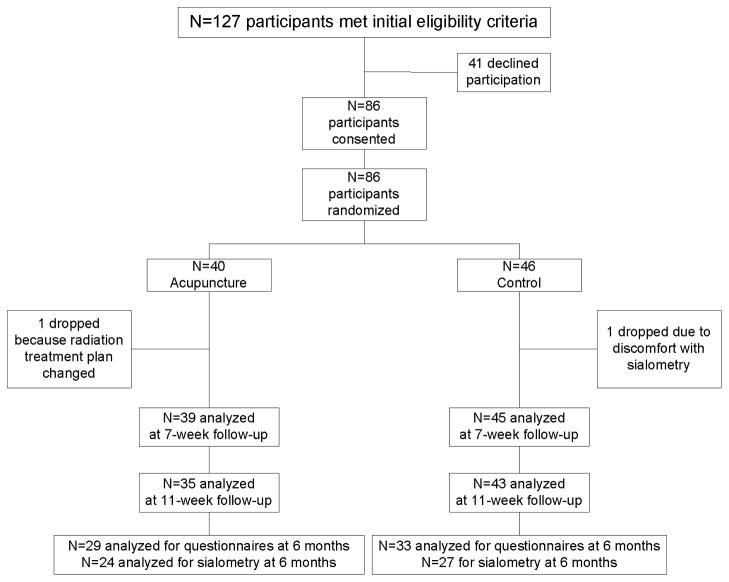
Methods: A randomized, controlled trial among patients with nasopharyngeal carcinoma was conducted comparing acupuncture to standard care. Participants were treated at Fudan University Shanghai Cancer Center, Shanghai, China. Forty patients were randomized to acupuncture treatment and 46 to standard care. Patients were treated 3×/wk on the same days they received radiotherapy. Subjective measures included the Xerostomia Questionnaire and MD Anderson Symptom Inventory-Head and Neck (MDASI-HN). Objective measures were unstimulated and stimulated whole salivary flow rates. Patients were followed for 6 months after the end of radiotherapy.
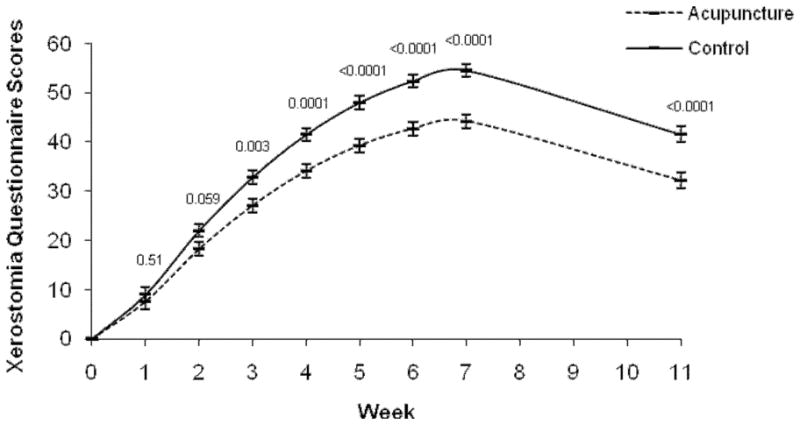
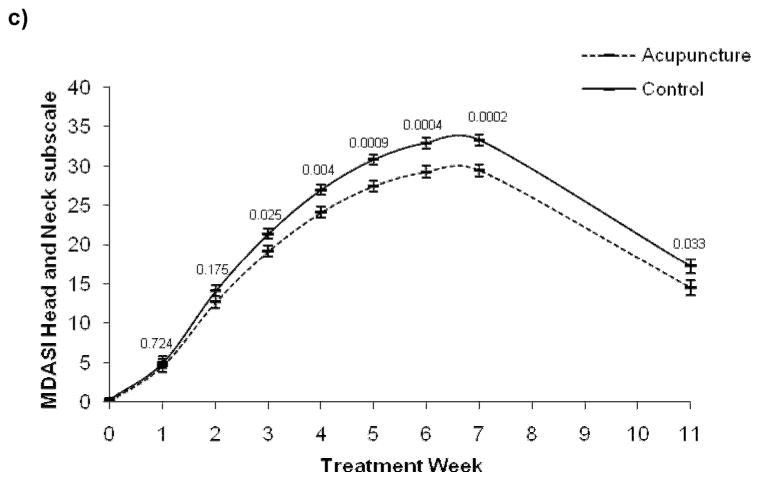
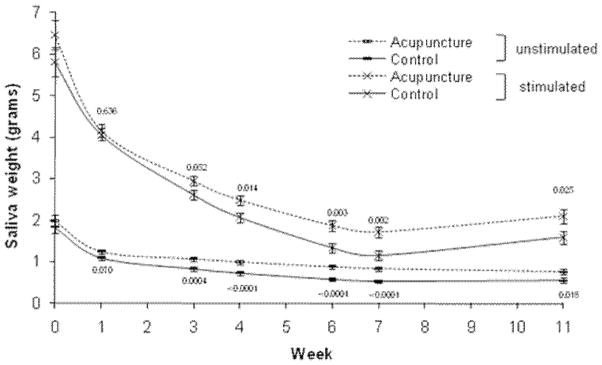
Results: Xerostomia Questionnaire scores for acupuncture were statistically significantly lower than for controls starting in week 3 through the 6 months (P = .003 at week 3, all other P < .0001), with clinically significant differences as follows: week 11, relative risk (RR) 0.63 (95% confidence interval [CI], 0.45-0.87); 6 months, RR 0.38 (95% CI, 0.19-0.76). Similar findings were seen for MDASI-HN scores. Group differences emerged as early as 3 weeks into treatment for saliva (unstimulated whole salivary flow rate, P = .0004), with greater saliva flow in the acupuncture group at week 7 (unstimulated whole salivary flow rate, P < .0001; stimulated whole salivary flow rate, P = .002) and 11 (unstimulated whole salivary flow rate, P < .02; stimulated whole salivary flow rate, P < .03) and at 6 months (stimulated whole salivary flow rate, P < .003).
Conclusions: Acupuncture given concurrently with radiotherapy significantly reduced xerostomia and improved quality of life.
Copyright © 2011 American Cancer Society.
Figures

References
-
- Chambers MS, Rosenthal DI, Weber RS. Radiation-induced xerostomia. Head Neck. 2007 Jan;29(1):58–63. - PubMed
-
- Bertram U. Xerostomia. Clinical aspects, pathology and pathogenesis. Acta Odontol Scand. 1967;25(Suppl 49):41–126. - PubMed
-
- Emami B, Lyman J, Brown A, et al. Tolerance of normal tissue to therapeutic irradiation. Int J Radiat Oncol Biol Phys. 1991 May 15;21(1):109–122. - PubMed
-
- Chambers MS, Toth BB, Martin JW, Fleming TJ, Lemon JC. Oral and dental management of the cancer patient: prevention and treatment of complications. Support Care Cancer. 1995 May;3(3):168–175. - PubMed
-
- Chambers MS. Clinical commentary on prophylactic treatment of radiation-induced xerostomia. Arch Otolaryngol Head Neck Surg. 2003 Feb;129(2):251–252. - PubMed
Publication types
MeSH terms
Grants and funding
LinkOut - more resources
Full Text Sources
Medical
