


The importance of a multifaceted approach to characterizing the microbial flora of chronic wounds
- PMID: 22092791
- PMCID: PMC3227014
- DOI: 10.1111/j.1524-475X.2011.00720.x
The importance of a multifaceted approach to characterizing the microbial flora of chronic wounds
Abstract
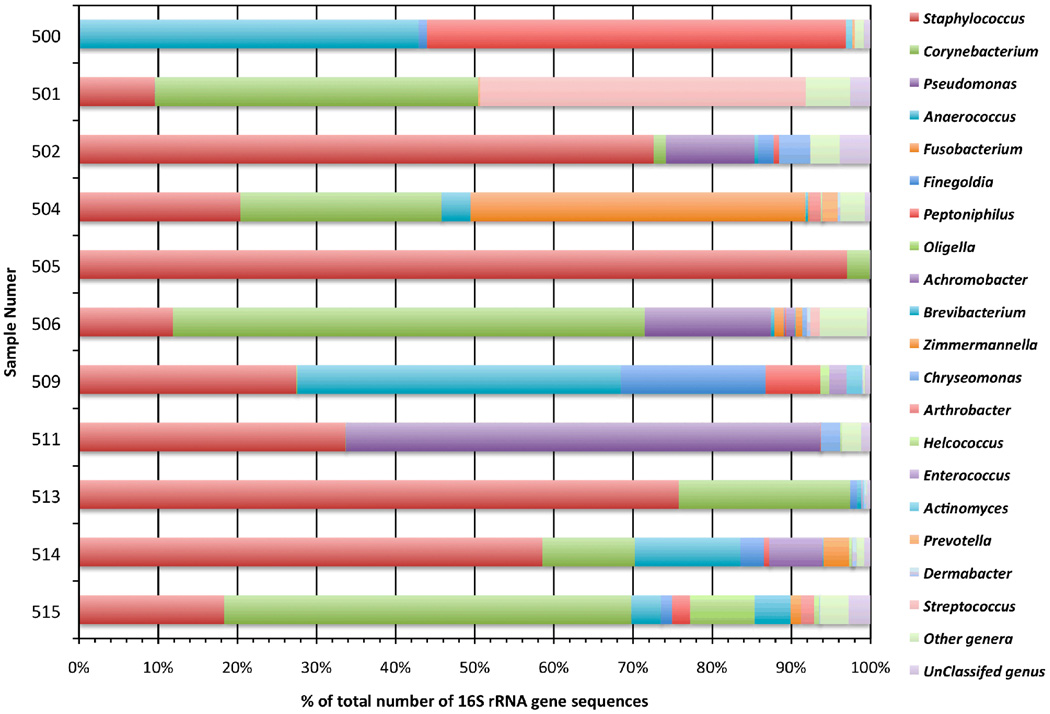
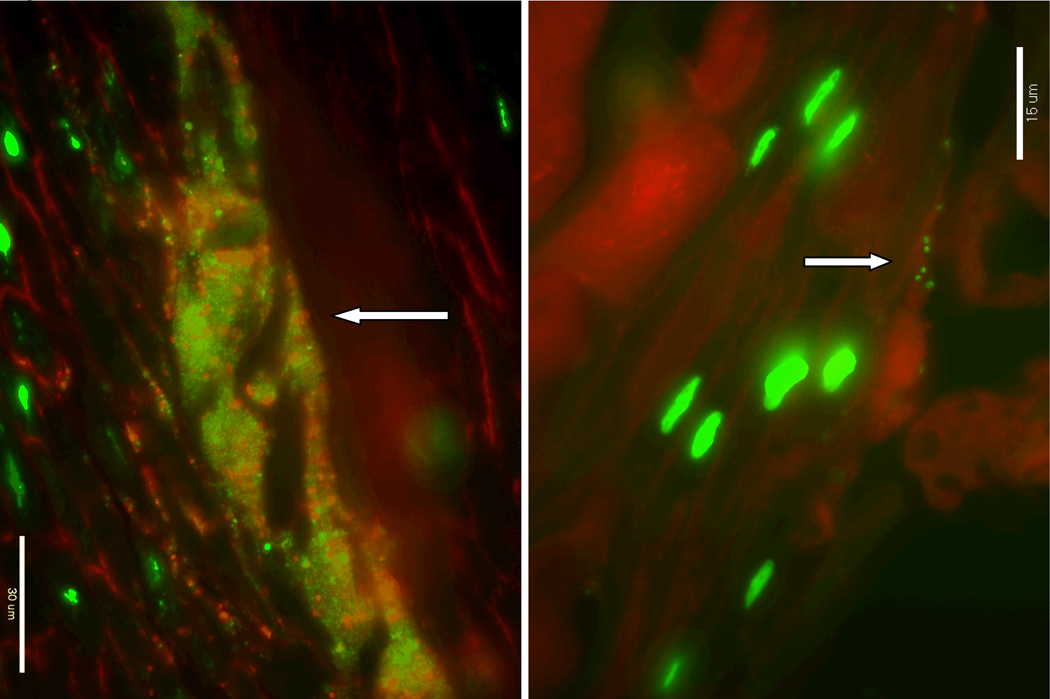
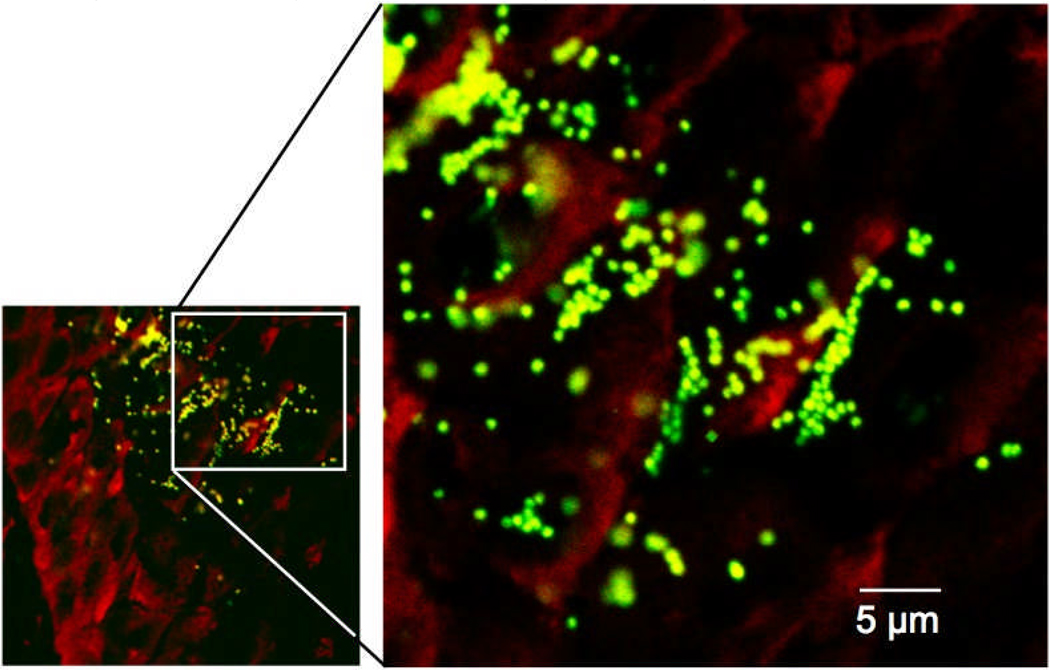
Chronic wounds contain complex polymicrobial communities of sessile organisms that have been underappreciated because of limitations of standard culture techniques. The aim of this work was to combine recently developed next-generation investigative techniques to comprehensively describe the microbial characteristics of chronic wounds. Tissue samples were obtained from 15 patients with chronic wounds presenting to the Johns Hopkins Wound Center. Standard bacteriological cultures demonstrated an average of three common bacterial species in wound samples. By contrast, high-throughput pyrosequencing revealed increased bacterial diversity with an average of 17 genera in each wound. Data from microbial community profiling of chronic wounds were compared with published sequenced analyses of bacteria from normal skin. Increased proportions of anaerobes, Gram-negative rods and Gram-positive cocci were found in chronic wounds. In addition, chronic wounds had significantly lower populations of Propionibacterium compared with normal skin. Using epifluorescence microscopy, wound bacteria were visualized in highly organized thick confluent biofilms or as scattered individual bacterial cells. Fluorescent in situ hybridization allowed for the visualization of Staphylococcus aureus cells in a wound sample. Quorum-sensing molecules were measured by bioassay to evaluate signaling patterns among bacteria in the wounds. A range of autoinducer-2 activities was detected in the wound samples. Collectively, these data provide new insights into the identity, organization, and behavior of bacteria in chronic wounds. Such information may provide important clues to effective future strategies in wound healing.
© 2011 by the Wound Healing Society.
Figures
Comment in
-
Wound microbiology: tabula rosa, a blank slate.Wound Repair Regen. 2011 Sep-Oct;19(5):531. doi: 10.1111/j.1524-475X.2011.00727.x. Wound Repair Regen. 2011. PMID: 22092790 No abstract available.
References
-
- Siddiqui AR, Bernstein JM. Chronic wound infection: facts and controversies. Clin Dermatol. 2010;28(5):519–526. - PubMed
-
- Howell-Jones RS, Wilson MJ, Hill KE, Howard AJ, Price PE, Thomas DW. A review of the microbiology, antibiotic usage and resistance in chronic skin wounds. J Antimicrob Chemother. 2005;55(2):143–149. - PubMed
-
- Bowler PG. The 10(5) bacterial growth guideline: reassessing its clinical relevance in wound healing. Ostomy Wound Manage. 2003;49(1):44–53. - PubMed
-
- Edwards R, Harding KG. Bacteria and wound healing. Curr Opin Infect Dis. 2004;17(2):91–96. - PubMed
Publication types
MeSH terms
Grants and funding
LinkOut - more resources
Full Text Sources
Other Literature Sources
Medical
