


Effectiveness of an informational video method to improve enrollment and retention of a pediatric cohort
- PMID: 22101229
- PMCID: PMC3268864
- DOI: 10.1016/j.cct.2011.11.010
Effectiveness of an informational video method to improve enrollment and retention of a pediatric cohort
Abstract
Objective: The Environmental Determinants of Diabetes in the Young (TEDDY), a multinational epidemiological study, is designed to identify environmental exposures triggering autoimmunity and type 1 diabetes (T1D) in children at increased genetic risk. The objective of this analysis was to evaluate the use of an informational video in the enrollment and retention of eligible participants at the Colorado TEDDY clinical center.
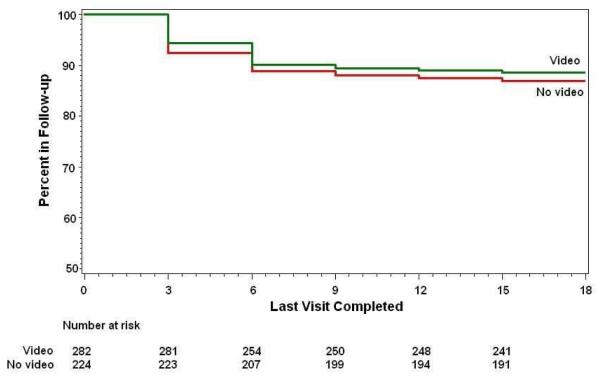
Study design and setting: Eligible participants were divided into two groups based on the inclusion of the video in the enrollment materials: the No-Video Group (n=449) did not receive the video and were contacted between 7/1/07 and 6/30/08. The Video Group (n=494) received the video and were contacted between 7/1/08 and 6/30/09. Multiple logistic regression compared the enrollment rates (percent of eligible subjects deciding to enroll) of those who received the video compared to those who did not. Kaplan-Meier survival analysis and a multivariate Cox proportional hazards model compared the differences in study retention, as defined by active participation fifteen months after the baseline visit at three months of age.
Results: Both groups were demographically similar. The enrollment rate was significantly higher for the Video Group (56.9%) compared to the No-Video Group (49.9%). Differences remained significant with adjustment for other known factors. A difference in retention between the two groups was not observed.
Conclusion: Methods and materials increasing understanding and more accurately informing participants of what is involved in participation may increase enrollment in a prospective observational study.
Copyright © 2011 Elsevier Inc. All rights reserved.
Figures
References
-
- Ryan R, Prictor M, McLaughlin KJ, Hill S. Audio-visual presentation of information for informed consent for participation in clinical trials: Cochrane Database of Systematic Review. 2008;(Issue 1) Art No.: CD003717. DOI:10.1002/14651858.CD003717.pub2. - PubMed
-
- Du W, Mood D, Gadgeel SM. An educational video to increase clinical trials enrollment among lung cancer patients. Journal of Thoracic Oncology. 2008;3(1):23–29. - PubMed
-
- Yates BC, Dondendorf D, Lane J, LaFramboise L, Pozehl B, Duncan K, Knodel K. Testing an Alternate Informed Consent Process. Nursing Research. 58(2):135–139. - PubMed
Publication types
MeSH terms
Grants and funding
LinkOut - more resources
Full Text Sources
Medical
