


Old and new functions of proneural factors revealed by the genome-wide characterization of their transcriptional targets
- PMID: 22101262
- PMCID: PMC3272285
- DOI: 10.4161/cc.10.23.18578
Old and new functions of proneural factors revealed by the genome-wide characterization of their transcriptional targets
Abstract
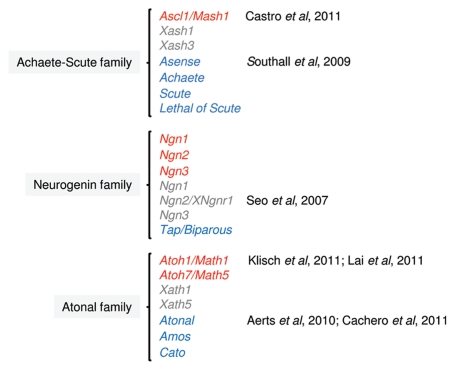
In the developing vertebrate nervous system, bHLH proneural factors such as Ascl1 are known to play important regulatory roles at different stages of the neurogenic differentiation process. In spite of the wealth of information gathered on the cellular functions of proneural factors, little was known of the molecular basis for their activities, and in particular of the identity of their target genes. The development of genomic approaches is making possible the characterization of transcriptional programs at an unprecedented scale. Recently, we have used a combination of genomic location analysis by ChIP-on-chip and expression profiling in order to characterize the proneural transcription program regulated by Ascl1 in the ventral telencephalon of the mouse embryonic brain. Our results demonstrate that Ascl1 directly controls successive steps of neurogenesis and provide a molecular frame for previously described Ascl1 functions. In addition, we uncovered an important but previously unrecognized role for Ascl1 in promoting the proliferation of neural progenitors. Here we discuss our recent findings and review them in light of efforts from other laboratories to characterize the transcriptional programs downstream various proneural factors.
Figures
References
Publication types
MeSH terms
Substances
Grants and funding
LinkOut - more resources
Full Text Sources
