Review
. 2011 Nov;31(11):3645-57.

Rho kinase proteins--pleiotropic modulators of cell survival and apoptosis

Affiliations
Review

Rho kinase proteins--pleiotropic modulators of cell survival and apoptosis

Catharine A Street et al. Anticancer Res. 2011 Nov.

Abstract

Rho kinase (ROCK) proteins are Rho-GTPase activated serine/threonine kinases that function as modulators of actin-myosin cytoskeletal dynamics via regulation of Lin11, Isl-1 & Mec-3 domain (LIM) kinase, myosin light chain (MLC), and MLC phosphatase. A strong correlation between cytoskeletal rearrangements and tumor cell invasion, metastasis, and deregulated microenvironment interaction has been reported in the literature, and the utilization of pharmacological inhibitors of ROCK signaling for the treatment of cancer is actively being pursued by a number of pharmaceutical companies. Indeed, in many preclinical models ROCK inhibitors have shown remarkable efficacy in reducing tumor growth and metastasis. Interestingly, ROCK signaling has been shown to be either pro-apoptotic or pro-survival in a cell type and context dependent manner, though the molecular mechanisms controlling ROCK-mediated cell fate decisions are unknown. This review summarizes the many pleiotropic roles of ROCK signaling in survival and apoptosis, and suggests that controlled modulation of ROCK activity in tumor cells has the potential to significantly affect tumor survival and patient outcome.


Figures
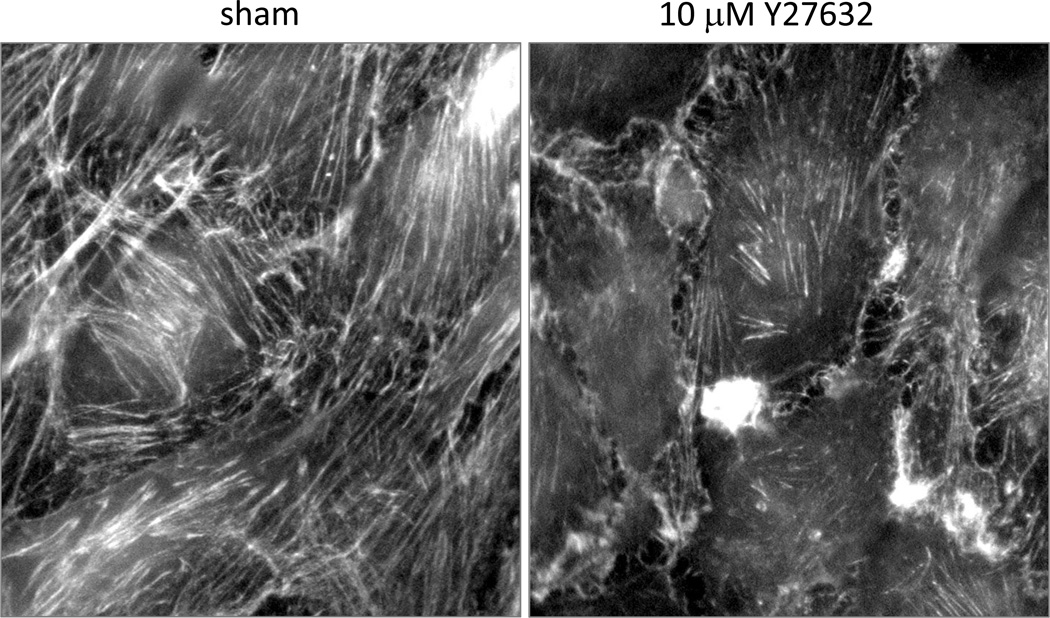
Figure 1
Figure 1. ROCK activity in actin polymerization
MS1 endothelial cells were sham treated or treated with 10 µM of the ROCK1 and 2 pharmacological inhibitor Y27632. Cells were then stained with FITC-labelled phalloidin which specifically binds to polymerized actin microfilaments. Disruption of total ROCK activity results in a dramatic reduction in the quantity of polymerized actin.
Figure 2
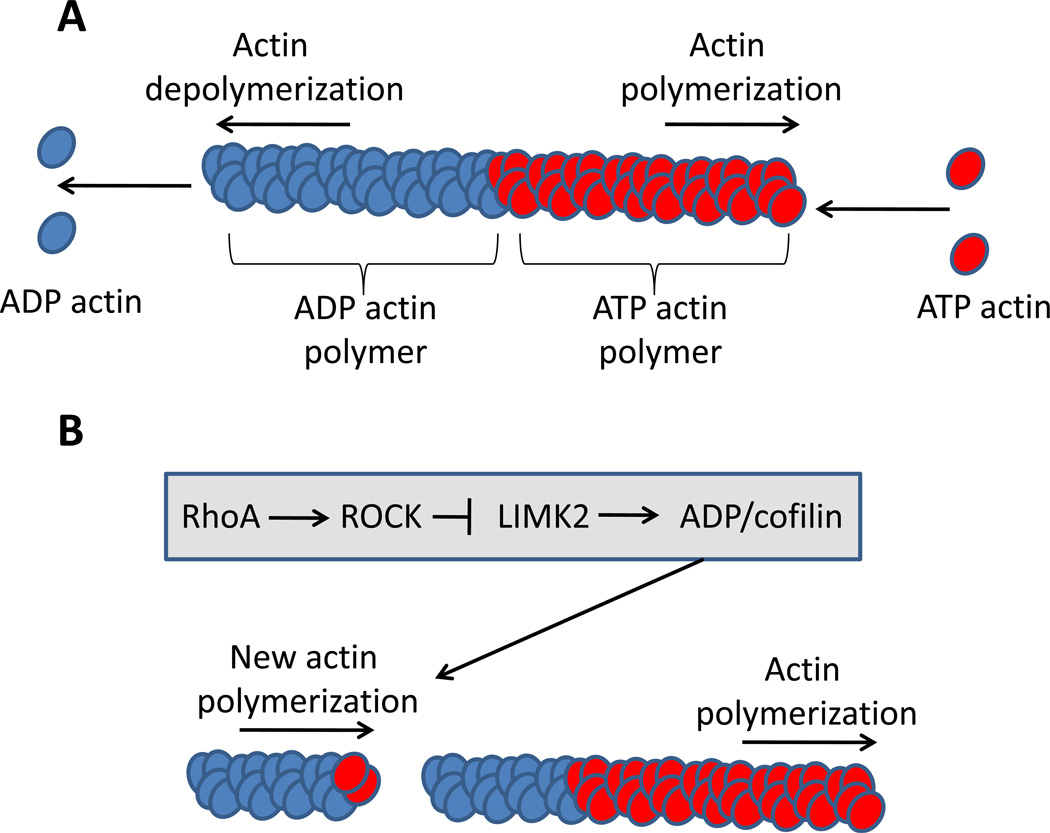
Figure 2. ROCK control of actin polymerization
(A) Individual subunits of ATP-bound globular actin (G-actin) assemble into long filamentous polymers (F-actin), creating a double helix structure. Hydrolysis of the ATP destabilizes the polymer, causing dissolution of F-actin polymers into G-actin monomers. (B) ROCK stimulates stabilization of actin polymerization via an inhibitory phosphorylation of Lin11, Isl1, Mec3 (LIM) domain kinase (LIMK), which when active promotes ADP/cofilin-mediated actin severing.
Figure 3
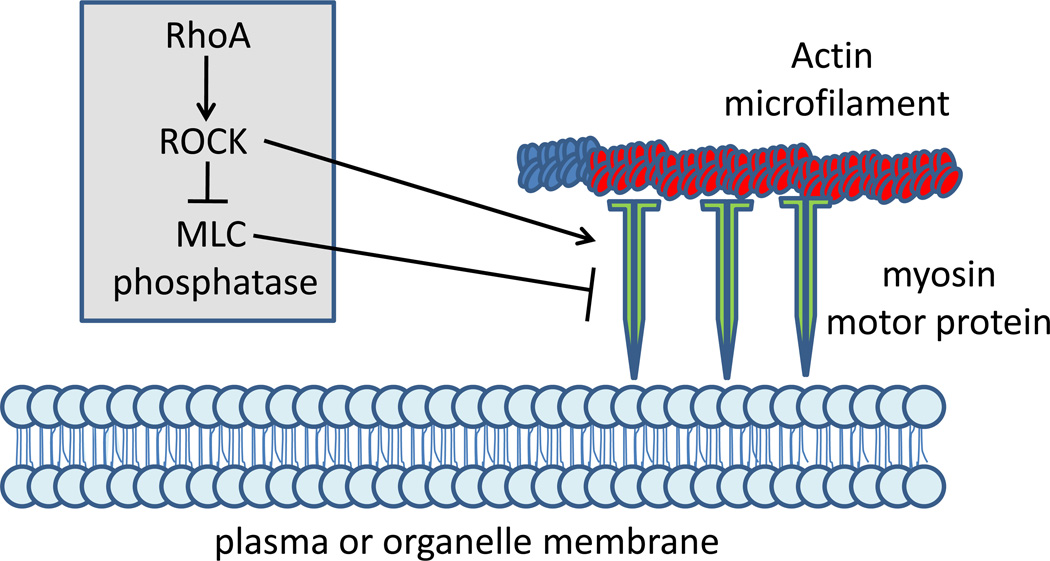
Figure 3. ROCK control of cellular contractility
Actin filaments in association with myosin motor proteins control cellular movement, cell division and other biological processes across all cell types. ROCK promotes cellular contraction and attachment via an activating phosphorylation of myosin light chain (MLC) to increase myosin ATPase activity, and an inhibitory phosphorylation of MLC phosphatase leading to increased activation of MLC.
Figure 4
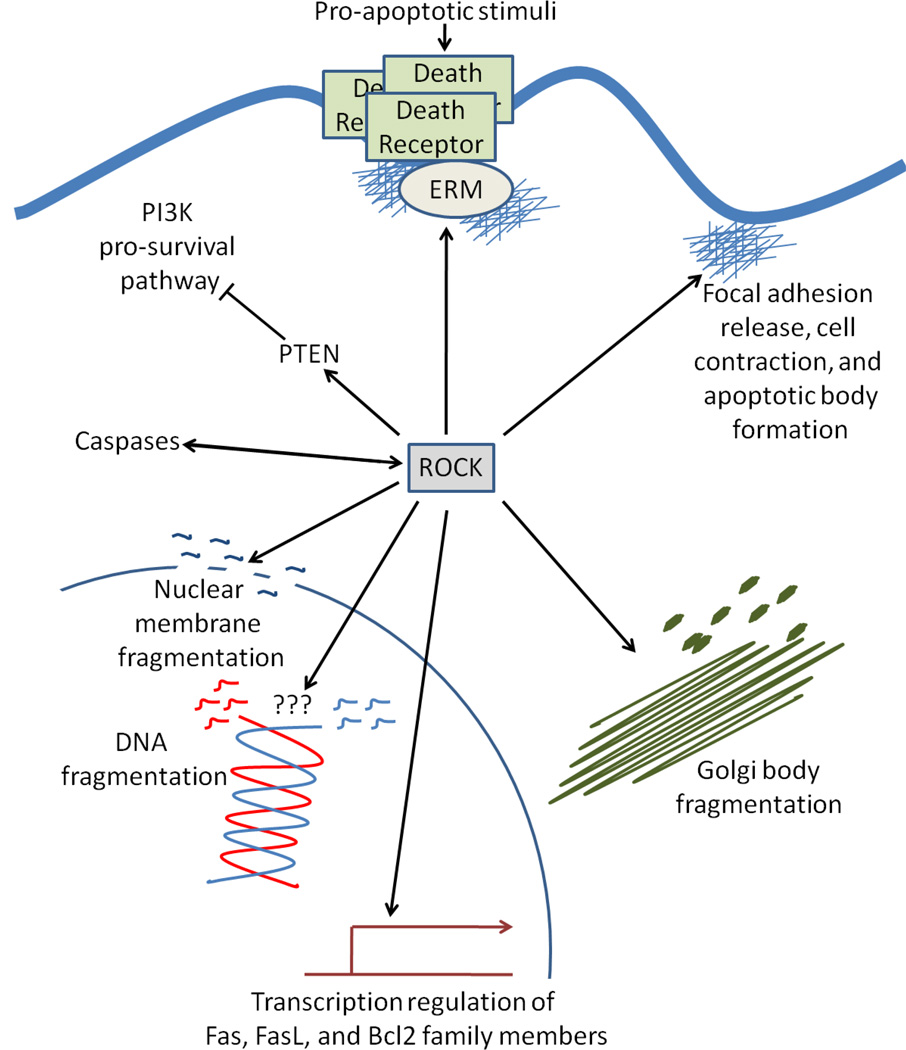
Figure 4. Essential role of ROCK in apoptosis
ROCK proteins are activated by caspase cleavage and promote the cleavage of procaspases into their active caspase forms. ROCK activity is necessary for multiple aspects of both intrinsic and extrinsic apoptosis including death receptor activation via ezrin, radixin, and moesin (ERM) proteins, apoptotic bleb and body formation, nuclear and organelle fragmentation, and DNA fragmentation. Moreover, ROCK phosphorylates and inhibits phosphatase and tensin homology (PTEN), thus blocking the pro-survival phosphoinositide 3-kinase (PI3K) pathway.
Figure 5
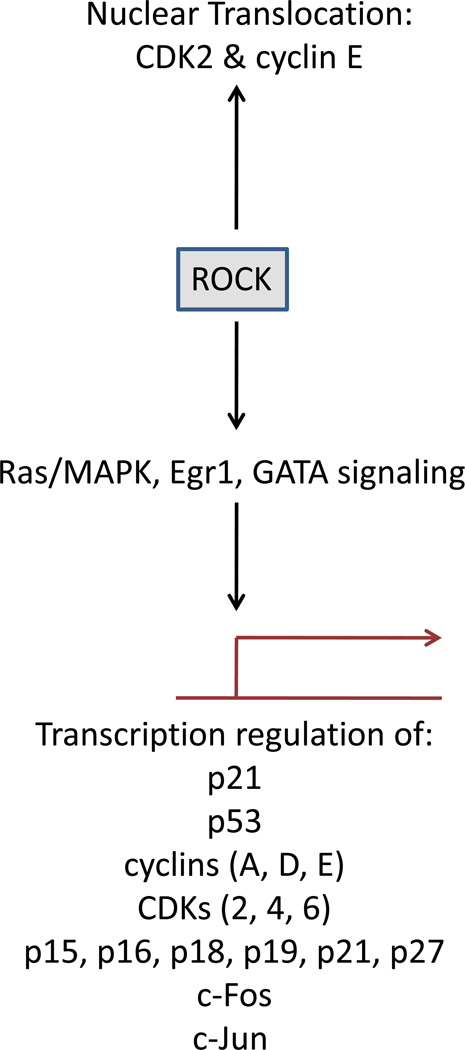
Figure 5. Role of ROCK activity in cell survival
ROCK activity is necessary for progression from the G1 to S-phase of the cell cycle by controlling the expression of cyclins, cyclin dependent kinases (CDKs), and numerous other cell cycle regulators. Additionally, ROCK activity has been shown to promote CDK2 and cyclin E translocation into the nucleus.

References

    1. Shi J, Wei L. Rho kinase in the regulation of cell death and survival. Arch Immunol Ther Exp (Warsz) 2007;55:61–75. - PMC - PubMed
    1. Narumiya S, Tanji M, Ishizaki T. Rho signaling, ROCK and mDia1, in transformation, metastasis and invasion. Cancer Metastasis Rev. 2009;28:65–76. - PubMed
    1. Shimizu Y, Thumkeo D, Keel J, Ishizaki T, Oshima H, Oshima M, Noda Y, Matsumura F, Taketo MM, Narumiya S. ROCK-I regulates closure of the eyelids and ventral body wall by inducing assembly of actomyosin bundles. J Cell Biol. 2005;168:941–953. - PMC - PubMed
    1. Thumkeo D, Keel J, Ishizaki T, Hirose M, Nonomura K, Oshima H, Oshima M, Taketo MM, Narumiya S. Targeted disruption of the mouse rho-associated kinase 2 gene results in intrauterine growth retardation and fetal death. Mol Cell Biol. 2003;23:5043–5055. - PMC - PubMed
    1. Noma K, Rikitake Y, Oyama N, Yan G, Alcaide P, Liu PY, Wang H, Ahl D, Sawada N, Okamoto R, Hiroi Y, Shimizu K, Luscinskas FW, Sun J, Liao JK. ROCK1 mediates leukocyte recruitment and neointima formation following vascular injury. J Clin Invest. 2008;118:1632–1644. - PMC - PubMed

Publication types

Substances

LinkOut - more resources