


Issues in collecting, processing and storing human tissues and associated information to support biomedical research
- PMID: 22112494
- PMCID: PMC3445033
- DOI: 10.3233/CBM-2011-0183
Issues in collecting, processing and storing human tissues and associated information to support biomedical research
Abstract
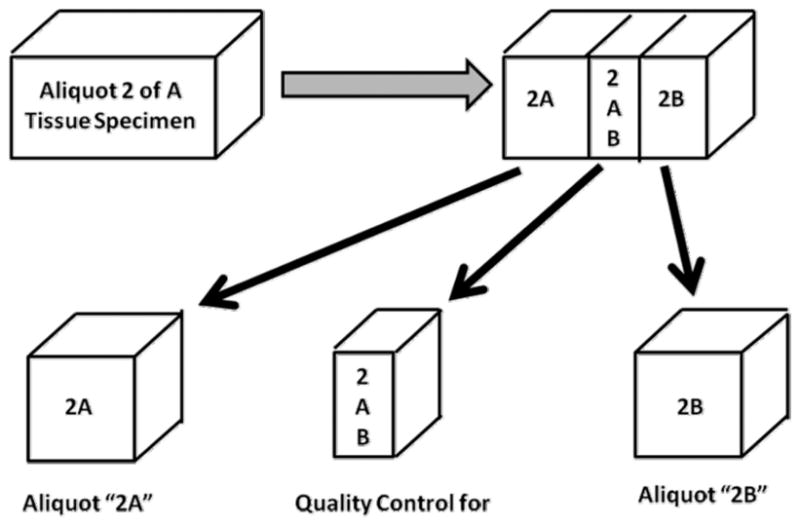
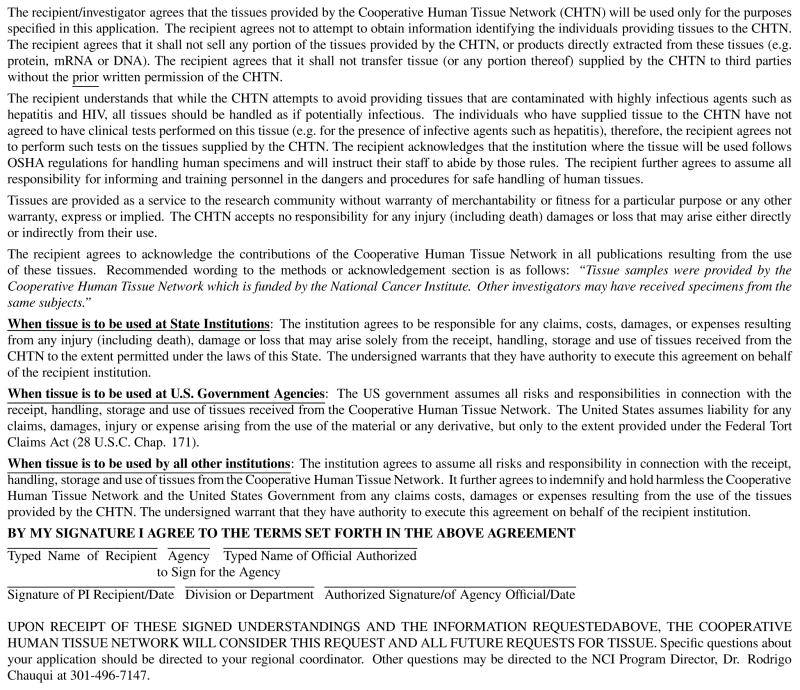
The availability of human tissues to support biomedical research is critical to advance translational research focused on identifying and characterizing approaches to individualized (personalized) medical care. Providing such tissues relies on three acceptable models - a tissue banking model, a prospective collection model and a combination of these two models. An unacceptable model is the "catch as catch can" model in which tissues are collected, processed and stored without goals or a plan or without standard operating procedures, i.e., portions of tissues are collected as available and processed and stored when time permits. In the tissue banking model, aliquots of tissues are collected according to SOPs. Usually specific sizes and types of tissues are collected and processed (e.g., 0.1 gm of breast cancer frozen in OCT). Using the banking model, tissues may be collected that may not be used and/or do not meet specific needs of investigators; however, at the time of an investigator request, tissues are readily available as is clinical information including clinical outcomes. In the model of prospective collection, tissues are collected based upon investigator requests including specific requirements of investigators. For example, the investigator may request that two 0.15 gm matching aliquots of breast cancer be minced while fresh, put in RPMI media with and without fetal calf serum, cooled to 4°C and shipped to the investigator on wet ice. Thus, the tissues collected prospectively meet investigator needs, all collected specimens are utilized and storage of specimens is minimized; however, investigators must wait until specimens are collected, and if needed, for clinical outcome. The operation of any tissue repository requires well trained and dedicated personnel. A quality assurance program is required which provides quality control information on the diagnosis of a specimen that is matched specifically to the specimen provided to an investigator instead of an overall diagnosis of the specimen via a surgical pathology report. This is necessary because a specific specimen may not match the diagnosis of the case due to many factors such as necrosis, unsuspected tumor invasion of apparently normal tissue, and areas of fibrosis which are mistaken grossly for tumor. Aliquots for quality control (QC) may or may not be collected at the time of collection and in some cases, QC may not occur until specimens are distributed to investigators. In establishing a tumor repository, multiple issues need to be considered. These include the available resources, long term support, space and equipment. The needs of the potential users need to be identified as to the types of tissues and services needed and the annotation expected. Other specific issues to be considered include collection of specimens potentially infected with blood borne pathogens (e.g., hepatitis B), charge back mechanisms, informatics needs and support, and investigator requirements (e.g., recognition of repository contributions in publications). In general, the repository should not perform the research of the investigators, but should provide the infrastructure necessary to support the research of the investigator. Thus, the goals of the repository must be established. Similarly, ethical and regulatory issues must be evaluated. In general, tissue repositories need ethical (e.g., IRB) and privacy (e.g., HIPAA) review. Also, safety issues need to be considered as well as how biohazards will be addressed by investigator-users. Considerations involving the transfer of specimens to other organization usually require a material transfer agreement (MTA). A MTA should address biohazards as well as indemnification. Thus, many issues must be considered and addressed in order to establish and operate successfully a biorepository.
Figures
References
-
- Aamodt RL, Anouna A, Baird P, Beck JC, Bledsoe MA, DeSouza Y, Grizzle WE, Gosh J, Holland NT, Hakimian R, Michels C, Pitt KE, Sexton KC, Shea K, Stark A, Vaught J. Best practices for repositories I: collection, storage and retrieval of human biological materials for research. Cell Preservation Tech. 2005;3(5):48.
-
- Pitt K, Campbell L, Skubitz A, Somiari S, Sexton K, Pugh R, Aamodt R, Baird P, Betsou F, Cohen L, De Souza Y, Gaffney E, Geary P, Grizzle WE, Gunter E, Horsefall D, Kessler J, Michels C, Kaercher E, Morales O, Morente M, Morrin H, Petersen G, Robb J, Seberg O, Thomas J, Thorne H, Walters C, Riegman P. Best practices for repositories: collection, storage, retrieval and distribution of biological materials for research, Second Edition. Cell Preservation Technology. 2008;6(1):5–58.
-
- NCI. National Cancer Institute Best Practices for Biospecimen Resources. 2007 http://biospecimens.cancer.gov/global/pdfs/NCI_Best_Practices_060507.pdf.
-
- Grizzle WE, Woodruff KH, Trainer TD. The Pathologist’s Role in the Use of Human Tissues in Research – Legal, Ethical, and Other Issues. Arch Pathol Lab Med. 1996;120(10):909–912. - PubMed
-
- Grizzle WE, Aamodt R, Clausen K, LiVolsi V, Pretlow TG, Qualman S. Providing Human Tissues for Research: How to Establish A Program. Arch Pathol Lab Med. 1998;122(12):1065–1076. - PubMed
Publication types
MeSH terms
Grants and funding
- 5U01CA44968/CA/NCI NIH HHS/United States
- 5P30CA13148-39/CA/NCI NIH HHS/United States
- P50 CA089019/CA/NCI NIH HHS/United States
- P30 CA013148/CA/NCI NIH HHS/United States
- P20CA101955/CA/NCI NIH HHS/United States
- P50 CA101955/CA/NCI NIH HHS/United States
- 5U24CA086359/CA/NCI NIH HHS/United States
- P20 CA101955/CA/NCI NIH HHS/United States
- U01 CA044968/CA/NCI NIH HHS/United States
- P30AR50948-07/AR/NIAMS NIH HHS/United States
- 5P50CA89019/CA/NCI NIH HHS/United States
- U24 CA086359/CA/NCI NIH HHS/United States
- P30 AR050948/AR/NIAMS NIH HHS/United States
LinkOut - more resources
Full Text Sources
Other Literature Sources
