


Surgical recovery of sperm in non-obstructive azoospermia
- PMID: 22120931
- PMCID: PMC3735145
- DOI: 10.1038/aja.2011.61
Surgical recovery of sperm in non-obstructive azoospermia
Abstract
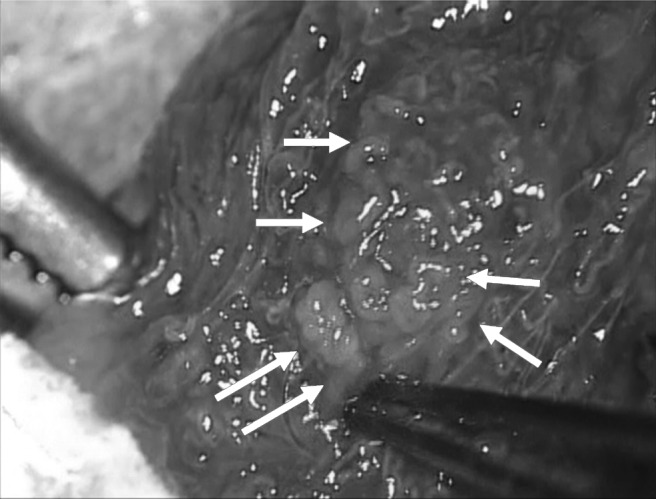
The development of intracytoplasmic sperm injection (ICSI) opened a new era in the field of assisted reproduction and revolutionized the assisted reproductive technology protocols for couples with male factor infertility. Fertilisation and pregnancies can be achieved with spermatozoa recovered not only from the ejaculate but also from the seminiferous tubules. The most common methods for retrieving testicular sperm in non-obstructive azoospermia (NOA) are testicular sperm aspiration (TESA: needle/fine needle aspiration) and open testicular biopsy (testicular sperm extraction: TESE). The optimal technique for sperm extraction should be minimally invasive and avoid destruction of testicular function, without compromising the chance to retrieve adequate numbers of spermatozoa to perform ICSI. Microdissection TESE (micro-TESE), performed with an operative microscope, is widely considered to be the best method for sperm retrieval in NOA, as larger and opaque tubules, presumably with active spermatogenesis, can be directly identified, resulting in higher spermatozoa retrieval rates with minimal tissue loss and low postoperative complications. Micro-TESE, in combination with ICSI, is applicable in all cases of NOA, including Klinefelter syndrome (KS). The outcomes of surgical sperm retrieval, primarily in NOA patients with elevated serum follicle-stimulating hormone (FSH) (NOA including KS patients), are reviewed along with the phenotypic features. The predictive factors for surgical sperm retrieval and outcomes of treatment were analysed. Finally, the short- and long-term complications in micro-TESE in both 46XY males with NOA and KS patients are considered.
Figures
References
-
- Willott GM. Frequency of azoospermia. Forensic Sci Int. 1982;20:9–10. - PubMed
-
- Jarow JP, Espeland MA, Lipshultz LI. Evaluation of the azoospermic patients. J Urol. 1989;142:62. - PubMed
-
- Temple-Smith PD, Southwick GJ, Yates CA, Trounson AO, de Kretser DM. Human pregnancy by in vitro fertilization (IVF) using sperm aspirated from the epididymis. J In Vitro Fert Embryo Transf. 1985;2:119–22. - PubMed
-
- Schoysman R, Vanderzwalmen P, Nijs M, Segal L, Segal-Bertin G, et al. Pregnancy after fertilisation with human testicular spermatozoa. Lancet. 1993;342:1237. - PubMed
-
- Palermo GD, Schlegel PN, Hariprashad JJ, Ergün B, Mielnik A, et al. Fertilization and pregnancy outcome with intracytoplasmic sperm injection for azoospermic men. Hum Reprod. 1999;14:741–8. - PubMed
Publication types
MeSH terms
LinkOut - more resources
Full Text Sources
