


Human consciousness and its relationship to social neuroscience: A novel hypothesis
- PMID: 22121395
- PMCID: PMC3223025
- DOI: 10.1080/17588928.2011.565121
Human consciousness and its relationship to social neuroscience: A novel hypothesis
Abstract
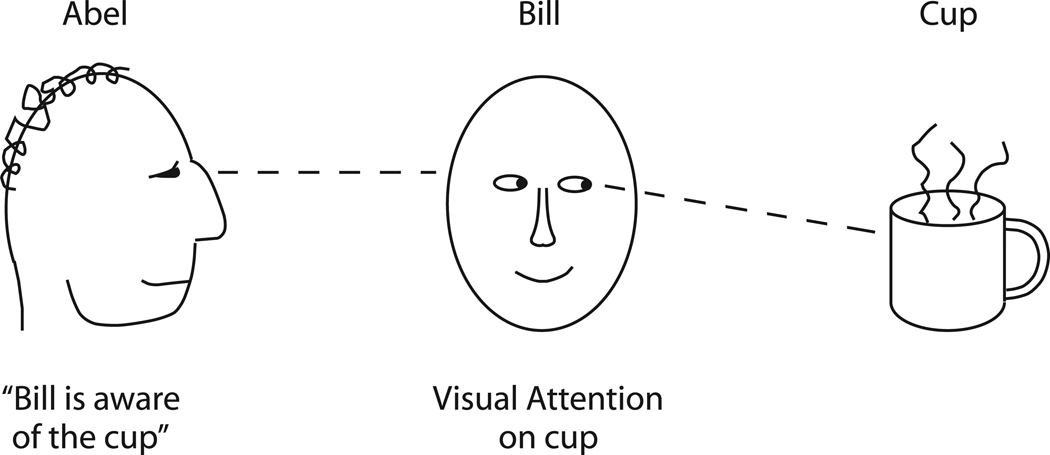
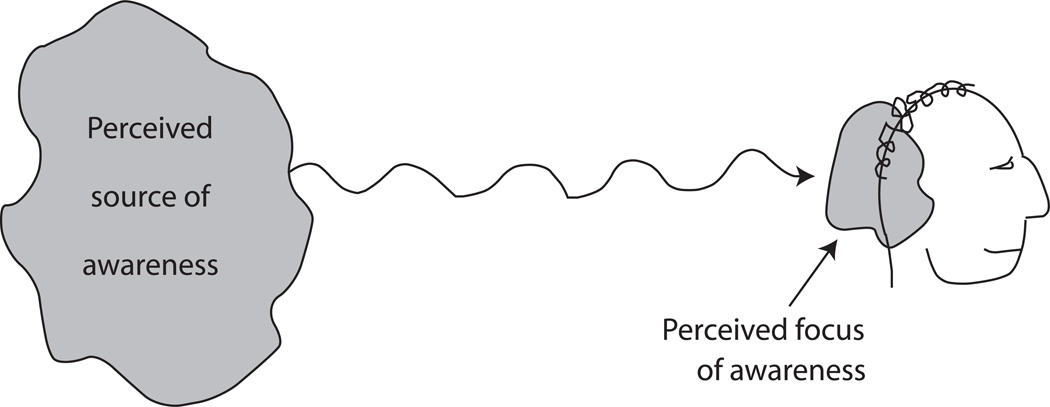
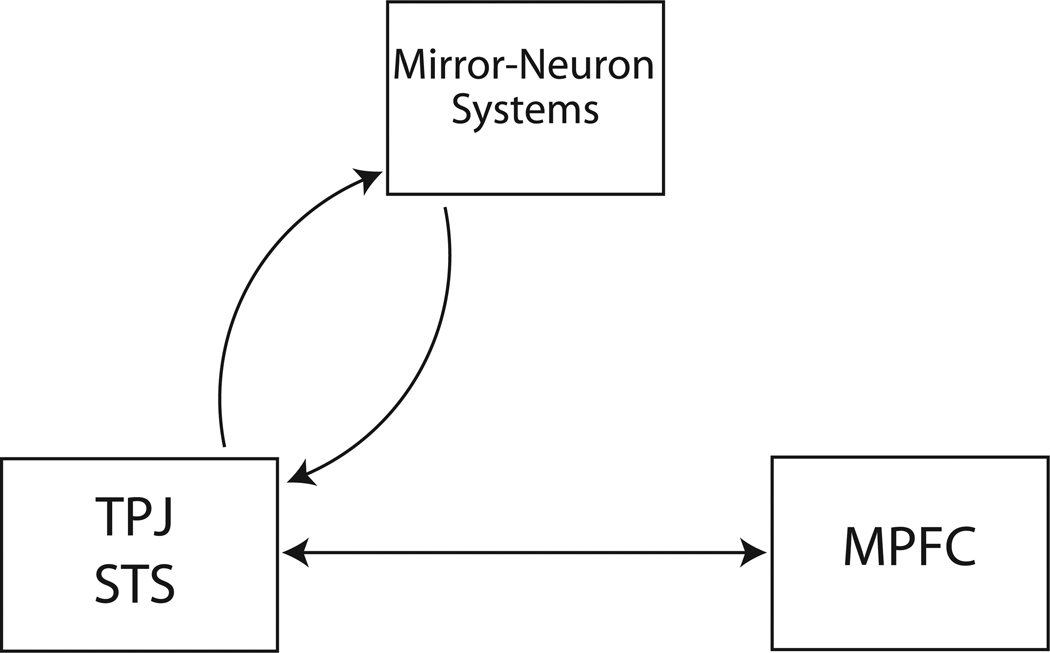
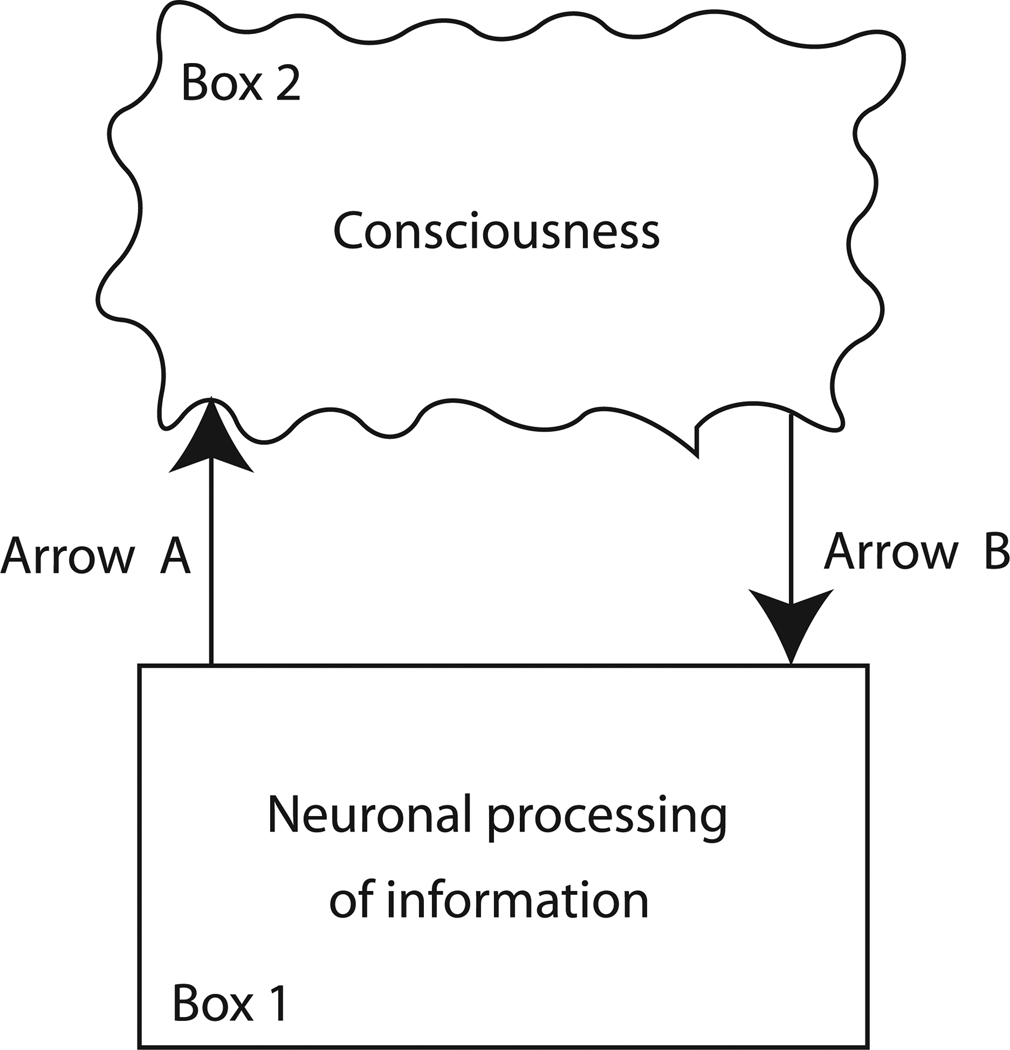
A common modern view of consciousness is that it is an emergent property of the brain, perhaps caused by neuronal complexity, and perhaps with no adaptive value. Exactly what emerges, how it emerges, and from what specific neuronal process, is in debate. One possible explanation of consciousness, proposed here, is that it is a construct of the social perceptual machinery. Humans have specialized neuronal machinery that allows us to be socially intelligent. The primary role for this machinery is to construct models of other people's minds thereby gaining some ability to predict the behavior of other individuals. In the present hypothesis, awareness is a perceptual reconstruction of attentional state; and the machinery that computes information about other people's awareness is the same machinery that computes information about our own awareness. The present article brings together a variety of lines of evidence including experiments on the neural basis of social perception, on hemispatial neglect, on the out-of-body experience, on mirror neurons, and on the mechanisms of decision-making, to explore the possibility that awareness is a construct of the social machinery in the brain.
Figures
References
-
- Alvarado CS. Late 19th- and early 20th-century discussions of animal magnetism. International Journal of Clinical and Experimental Hypnosis. 2009;57:366–381. - PubMed
-
- Apperly IA, Samson D, Chiavarino C, Humphreys GW. Frontal and temporo-parietal lobe contributions to theory of mind: neuropsychological evidence from a false-belief task with reduced language and executive demands. J Cogn Neurosci. 2004;16:1773–1784. - PubMed
-
- Astafiev SV, Shulman GL, Corbetta M. Visuospatial reorienting signals in the human temporo-parietal junction are independent of response selection. Eur J Neurosci. 2006;23:591–596. - PubMed
-
- Baars BJ. Conscious contents provide the nervous system with coherent, global information. In: Davidson RJ, Schwartz GE, Shapiro D, editors. Consciousness and Self Regulation. Vol. 41 NY: Plenum Press; 1983.
Grants and funding
LinkOut - more resources
Full Text Sources
