Rotavirus infection and epidermal necrolysis of the bowel in a patient with AIDS
- PMID: 22125583
- PMCID: PMC3029426
- DOI: 10.1136/bcr.09.2009.2255
Rotavirus infection and epidermal necrolysis of the bowel in a patient with AIDS
Abstract
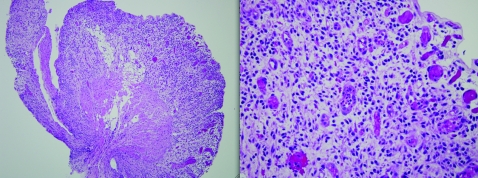
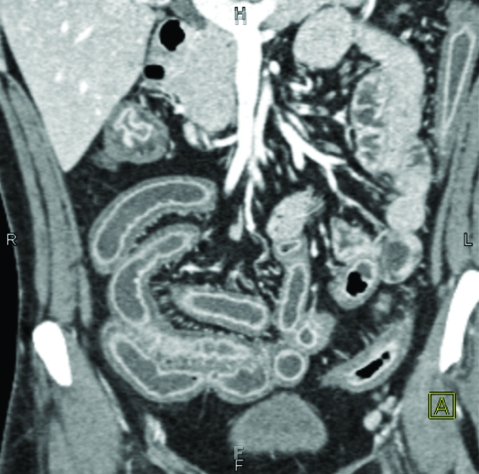
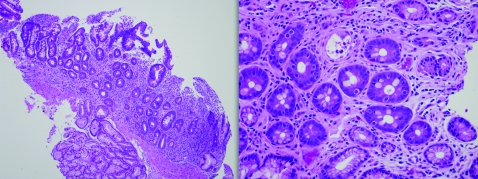
A 44-year-old man with HIV, with a CD4+ count of 45/μl and a viral load of 88 000 copies/ml, who was completing therapy for Pneumocystis carinii pneumonia, presented with severe bloody diarrhoea, fevers and abdominal pain. Endoscopy revealed total epidermal necrolysis of the colon, and partial epidermal necrolysis of the duodenum, a histologic pattern most typically seen in severe graft versus host disease. Computed tomography (CT) documented inflammation of the entire gastrointestinal tract distal to the stomach. A broad infectious work up noted only a positive stool rotavirus antigen. The patient's symptoms continued unabated until he was given high dose intravenous steroids to which he had a rapid therapeutic response. Ultimately his diarrhoea recurred and became refractory to all interventions, including antiretroviral therapy with an adequate virologic decline after therapy. Due to nutritional and functional decline, the patient requested hospice care approximately 6 months after becoming acutely ill.
Figures
References
-
- Woodruff JM, Hansen JA, Good RA, et al. The pathology of the graft-versus-host reaction (GVHR) in adults receiving bone marrow transplants. Transplant Proc 1976; 8: 675. - PubMed
-
- Cárcamo C, Hooton T, Wener MH, et al. Etiologies and manifestations of persistent diarrhea in adults with HIV-1 infection: a case-control study in Lima, Peru. J Infect Dis 2005; 191: 11–9 - PubMed
-
- Stratton R, Slapak G, Mahungu T, et al. Autoimmunity and HIV. Curr Opin Infect Dis 2009; 22: 49–56 - PubMed
LinkOut - more resources
Full Text Sources
Research Materials