


Higher BMP receptor expression and BMP-2-induced osteogenic differentiation in tendon-derived stem cells compared with bone-marrow-derived mesenchymal stem cells
- PMID: 22134708
- PMCID: PMC3337107
- DOI: 10.1007/s00264-011-1417-1
Higher BMP receptor expression and BMP-2-induced osteogenic differentiation in tendon-derived stem cells compared with bone-marrow-derived mesenchymal stem cells
Abstract
Purpose: Surgical reattachment of tendon to bone often fails due to regeneration failure of the specialised tendon-bone junction (TBJ). The use of mesenchymal stem cells for TBJ regeneration has been reported with promising results. Tendon-derived stem cells (TDSCs) with high proliferative and multi-lineage differentiation potential have been isolated. As stem cells residing in tendons, TDSCs can be considered a new cell source for TBJ repair. Bone morphogenic protein 2 (BMP-2) is a potent osteogenic factor with roles in normal bone healing and pathological ectopic bone formation in soft tissues. The use of BMP-2 to promote TBJ repair has been well reported. This study aimed to compare TDSCs to the gold standard bone-marrow-derived mesenchymal stem cells (BMSCs) with respect to osteogenic response to BMP-2 in vitro.
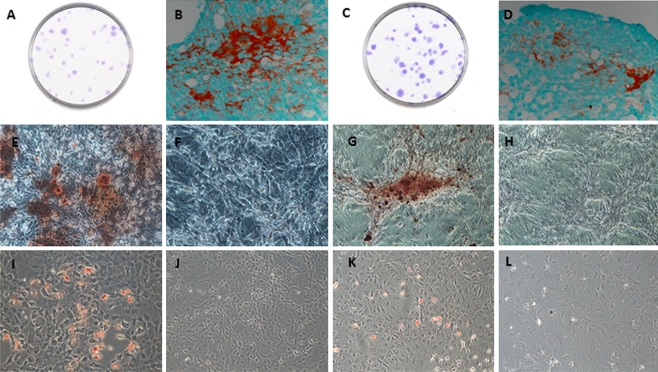
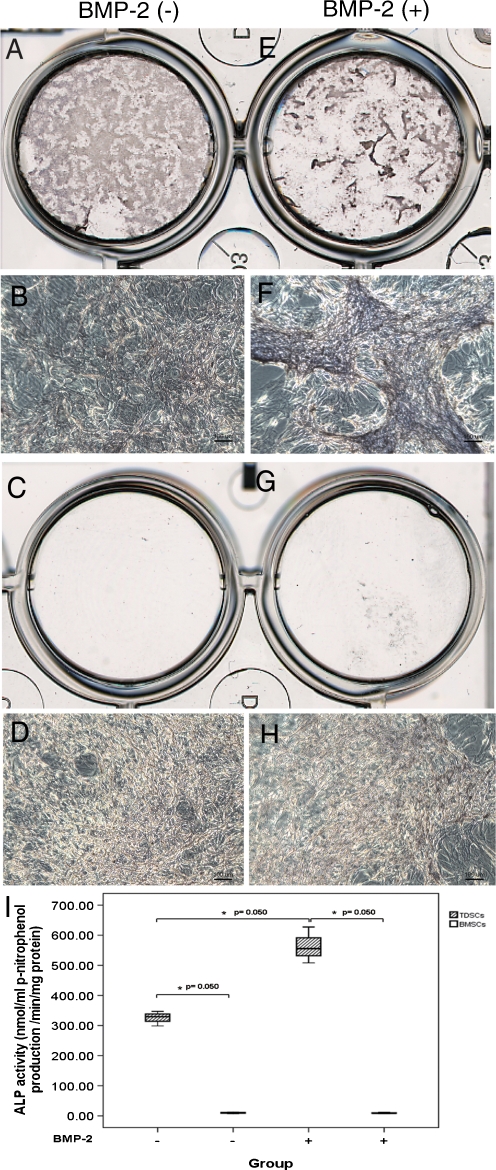
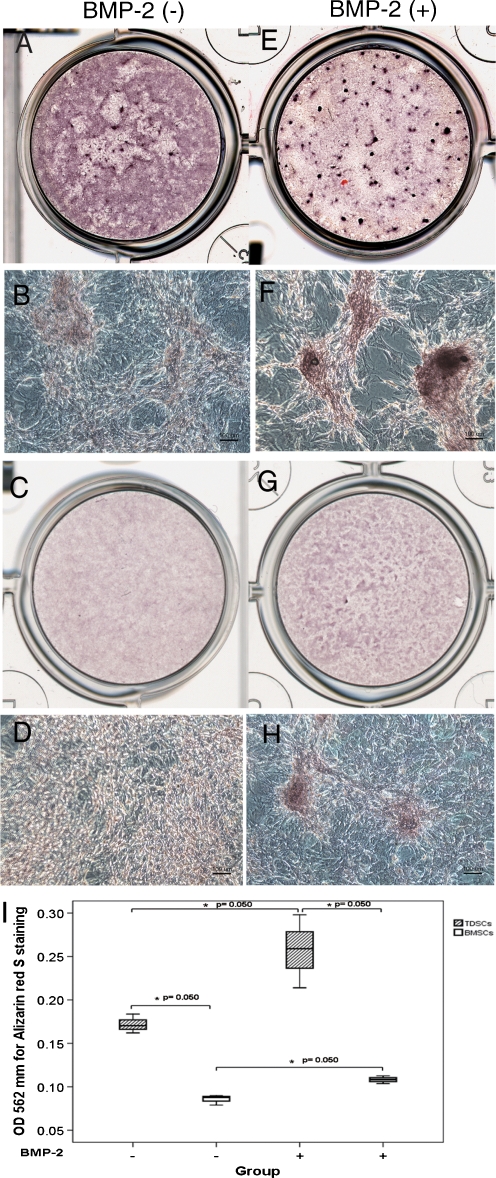
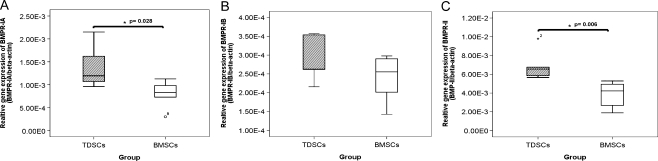
Method: The clonogenicity and multi-differentiation potential of TDSCs and BMSCs were identified by colony-forming-unit assay, osteogenic, adipogenic and chondrogenic differentiation assays. Their osteogenic response to BMP-2 in vitro was examined by alkaline phosphatase (ALP) cytochemical staining, ALP activity assay and Alizarin red S staining of calcium nodule formation. Messenger RNA (mRNA) and BMP receptor (types IA, IB and II) protein expression were examined by quantitative real-time reverse-transcriptase polymerase chain reaction (qRT-PCR) and Western blotting.
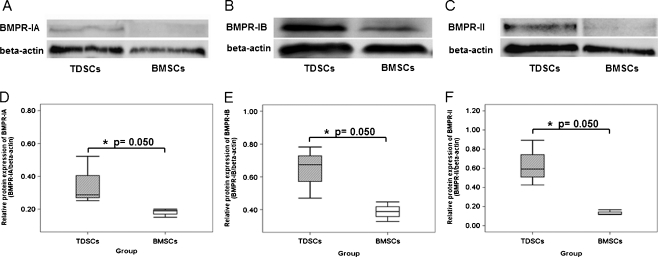
Results: Our results showed that both TDSCs and BMSCs exhibited stem cell properties, including clonogenicity and multi-differentiation potential. TDSCs expressed higher mRNA and protein levels of BMP receptors IA, IB and II. They also exhibited higher osteogenic differentiation with and without BMP-2 stimulation compared with BMSCs.
Conclusions: TDSCs with/without BMP-2 might be an attractive source for TBJ repair compared with BMSCs.
Figures
References
-
- Rodeo SA, Arnoczky SP, Torzilli PA, Hidaka C, Warren RF. Tendon-healing in a bone tunnel. A biomechanical and histological study in the dog. J Bone Joint Surg Am. 1993;75:1795–1803. - PubMed
-
- Liu SH, Panossian V, al-Shaikh R, Tomin E, Shepherd E, Finerman GA, Lane JM (1997) Morphology and matrix composition during early tendon to bone healing. Clin Orthop Relat Res 253–260. - PubMed
-
- Ivkovic A, Marijanovic I, Hudetz D, Porter RM, Pecina M, Evans CH. Regenerative medicine and tissue engineering in orthopaedic surgery. Front Biosci (Elite Ed) 2011;3:923–944. - PubMed
-
- Lim JK, Hui J, Li L, Thambyah A, Goh J, Lee EH. Enhancement of tendon graft osteointegration using mesenchymal stem cells in a rabbit model of anterior cruciate ligament reconstruction. Arthrosc. 2004;20:899–910. - PubMed
Publication types
MeSH terms
Substances
LinkOut - more resources
Full Text Sources
Other Literature Sources
Medical
Research Materials
