Simvastatin inhibits cancer cell growth by inducing apoptosis correlated to activation of Bax and down-regulation of BCL-2 gene expression
- PMID: 22134829
- PMCID: PMC3584570
- DOI: 10.3892/ijo.2011.1273
Simvastatin inhibits cancer cell growth by inducing apoptosis correlated to activation of Bax and down-regulation of BCL-2 gene expression
Abstract
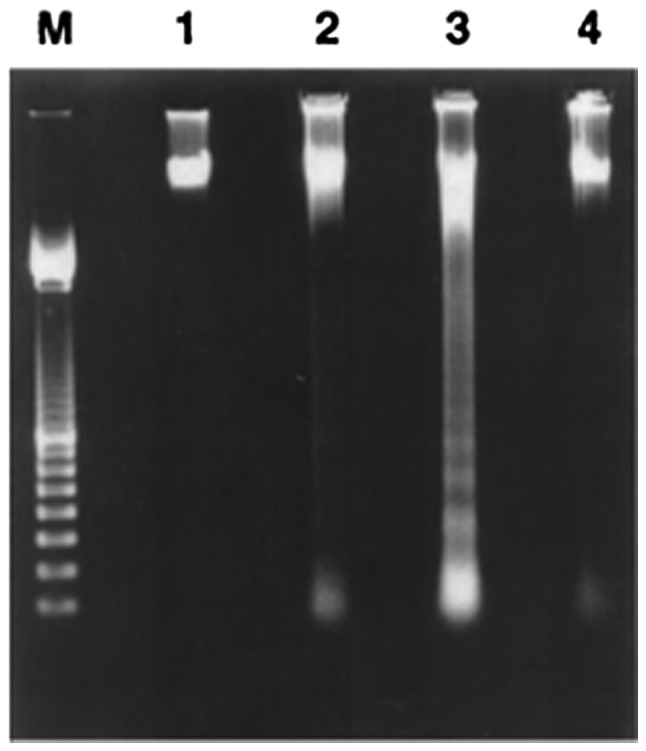
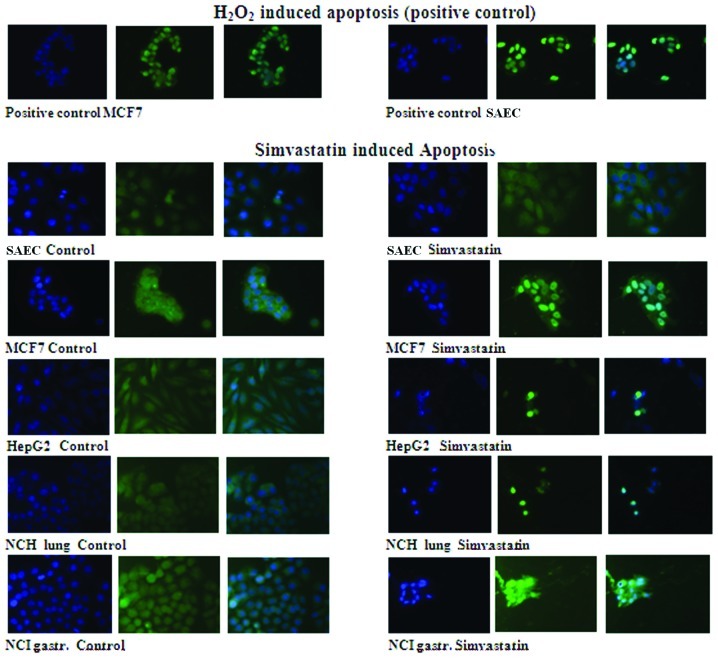
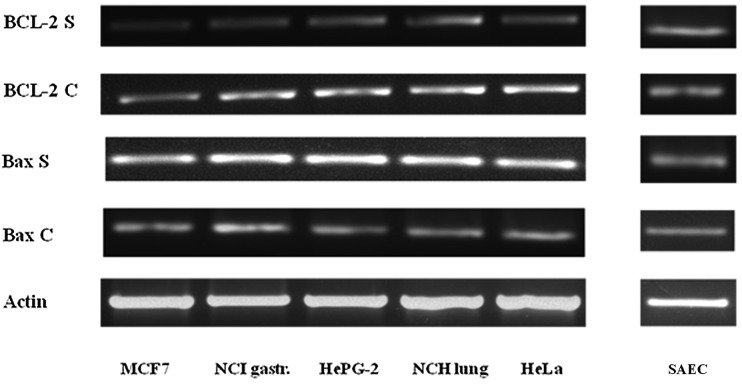
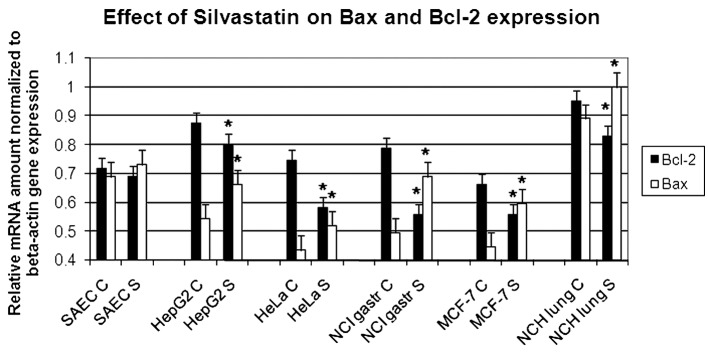
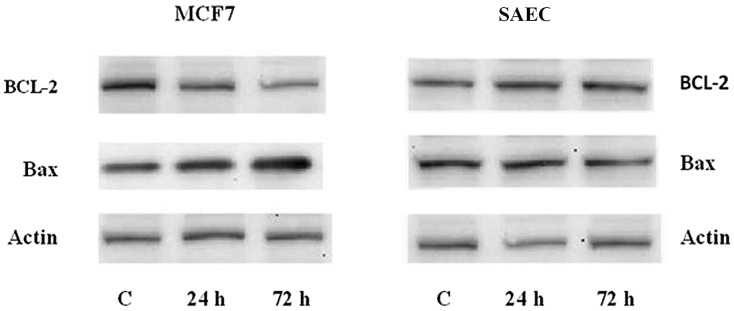
The statins (3-hydroxy-3-methylglutaryl coenzyme A reductase inhibitors) have been proven to be effective in lowering cholesterol and as anti-lipid agents against cardiovascular disease. Recent reports demonstrate an anticancer effect induced by the statins through inhibition of cell proliferation. Probably, these effects are due to suppression of the mevalonate pathway leading to the depletion of various downstream products that play an essential role in cell cycle progression, cell signaling and membrane integrity. To date, although many hypotheses have been proposed, the exact mechanism at the basis of cancer cell growth arrest induced by statins is not known. In this study, we have demonstrated that simvastatin, at a dose of 20 µM for 24-72 h, induced in cancer cells but not in normal cells precise features of apoptosis including increased DNA fragmentation while, at the molecular level simvastatin induced overexpression of the pro-apoptotic gene Bax together with an inhibition of BCL-2, the gene that has the well-known function of protecting cells from apoptosis. The simvastatin-mediated induction of apoptosis in similar cancer cells but not in normal cells is very interesting and may be at the basis of cancer therapy using statins, usually in combination with chemotherapy or to be used as a cancer protective drug. Simvastatin may, thus, play a dual prophylactic role as a lipid-lowering drug for the prevention of heart disease and as an anticancer agent to prevent certain types of cancers.
Figures
References
-
- Gauthaman K, Fong CY, Bongso A. Statins, stem cells, and cancer. J Cell Biochem. 2009;106:975–983. - PubMed
-
- Goldstein JL, Brown MS. Regulation of the mevalonate pathway. Nature. 1990;343:425–430. - PubMed
-
- Lee MH, Yee Cho S, Han YM. Simvastatin suppresses self-renewal of mouse embryonic stem cells by inhibiting RhoA geranylgeranylation. Stem Cell. 2007;25:1654–1663. - PubMed
-
- Chan KK, Oza AM, Siu LL. The statins as anticancer agents. Clin Cancer Res. 2003;9:10–19. - PubMed
Publication types
MeSH terms
Substances
LinkOut - more resources
Full Text Sources
Medical
Research Materials