


Infection-induced vulnerability of perinatal brain injury
- PMID: 22135745
- PMCID: PMC3216257
- DOI: 10.1155/2012/102153
Infection-induced vulnerability of perinatal brain injury
Abstract
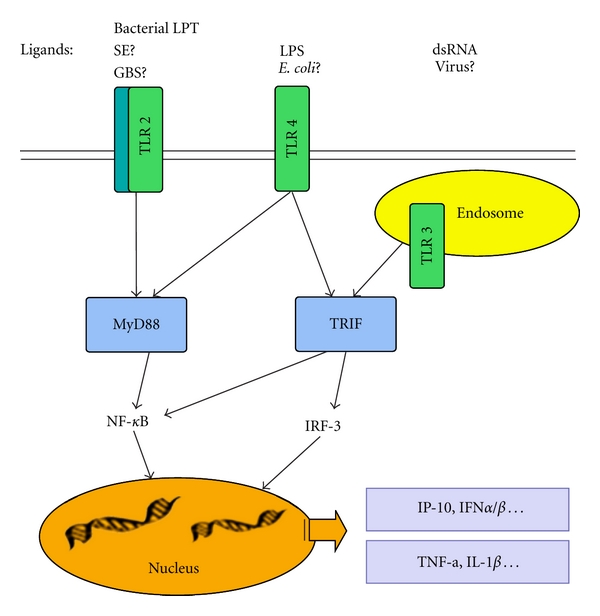
A growing body of evidence demonstrates that susceptibility and progression of both acute and chronic central nervous system disease in the newborn is closely associated with an innate immune response that can manifest from either direct infection and/or infection-triggered damage. A common feature of many of these diseases is the systemic exposure of the neonate to bacterial infections that elicit brain inflammation. In recent years, the importance of innate immune receptors in newborn brain injury, the so-called Toll-like receptors, has been demonstrated. In this paper we will discuss how neonatal sepsis, with particular emphasis on Escherichia coli, coagulase-negative staphylococci, and group B streptococcal infections in preterm infants, and Toll-like receptor-mediated inflammation can increase the vulnerability of the newborn brain to injury.
Figures
References
-
- Marlow N, Wolke D, Bracewell MA, Samara M. Neurologic and developmental disability at six years of age after extremely preterm birth. The New England Journal of Medicine. 2005;352(1):9–19. - PubMed
-
- Dammann O, Leviton A. Maternal intrauterine infection, cytokines, and brain damage in the preterm newborn. Pediatric Research. 1997;42(1):1–8. - PubMed
-
- Hagberg H, Mallard C. Effect of inflammation on central nervous system development and vulnerability. Current Opinion in Neurology. 2005;18(2):117–123. - PubMed
-
- Leviton A, Gilles FH. An epidemiologic study of perinatal telencephalic leucoencephalopathy in an autopsy population. Journal of the Neurological Sciences. 1973;18(1):53–66. - PubMed
-
- Faix RG, Donn SM. Association of septic shock caused by early-onset group B streptococcal sepsis and periventricular leukomalacia in the preterm infant. Pediatrics. 1985;76(3):415–419. - PubMed
LinkOut - more resources
Full Text Sources
