. 2011;6(11):e28408.
doi: 10.1371/journal.pone.0028408. Epub 2011 Nov 30.

A genetic signature of spina bifida risk from pathway-informed comprehensive gene-variant analysis

Affiliations

A genetic signature of spina bifida risk from pathway-informed comprehensive gene-variant analysis

Nicholas J Marini et al. PLoS One. 2011.

Abstract

Despite compelling epidemiological evidence that folic acid supplements reduce the frequency of neural tube defects (NTDs) in newborns, common variant association studies with folate metabolism genes have failed to explain the majority of NTD risk. The contribution of rare alleles as well as genetic interactions within the folate pathway have not been extensively studied in the context of NTDs. Thus, we sequenced the exons in 31 folate-related genes in a 480-member NTD case-control population to identify the full spectrum of allelic variation and determine whether rare alleles or obvious genetic interactions within this pathway affect NTD risk. We constructed a pathway model, predetermined independent of the data, which grouped genes into coherent sets reflecting the distinct metabolic compartments in the folate/one-carbon pathway (purine synthesis, pyrimidine synthesis, and homocysteine recycling to methionine). By integrating multiple variants based on these groupings, we uncovered two provocative, complex genetic risk signatures. Interestingly, these signatures differed by race/ethnicity: a Hispanic risk profile pointed to alterations in purine biosynthesis, whereas that in non-Hispanic whites implicated homocysteine metabolism. In contrast, parallel analyses that focused on individual alleles, or individual genes, as the units by which to assign risk revealed no compelling associations. These results suggest that the ability to layer pathway relationships onto clinical variant data can be uniquely informative for identifying genetic risk as well as for generating mechanistic hypotheses. Furthermore, the identification of ethnic-specific risk signatures for spina bifida resonated with epidemiological data suggesting that the underlying pathogenesis may differ between Hispanic and non-Hispanic groups.


Conflict of interest statement

Competing Interests: The authors have read the journal's policy and have the following conflicts. Nicholas J. Marini and Jasper Rine are founders of VitaPath Genetics, and Jasper Rine is a member of its scientific advisory board. Edward J. Lammer and John S. Witte are consultants for VitaPath Genetics. Authors Hardin, Lazaruk, Stein and Gilbert are employed by VitaPath Genetics, Inc. This does not alter the authors' adherence to all the PLoS ONE policies on sharing data and materials.

Figures

Figure 1
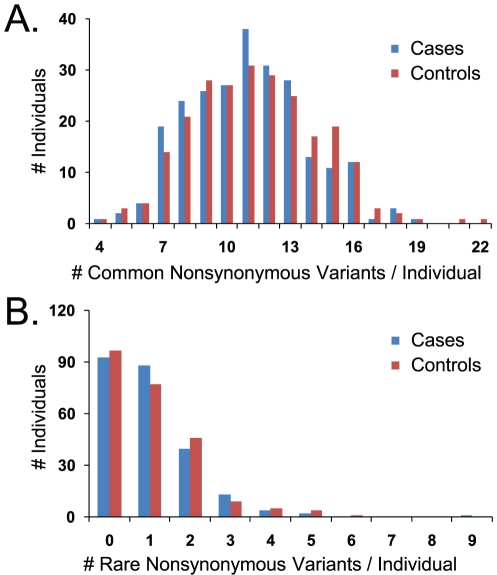
Figure 1. Total Nonsynonymous Changes in NTD Cases and Controls.
A. All common nonsynonymous alleles (MAF>2.5%) identified from the 31 folate pathway genes sequenced were summed in each individual and the case/control distributions of these sums are shown. Minor allele homozygotes were counted as two alleles whereas heterozygotes were counted as one. B. Case/control distributions of rare (MAF≤2.5%) nonsynonymous allele sums. Population means and permuted P-values are shown in Table 2.
Figure 2
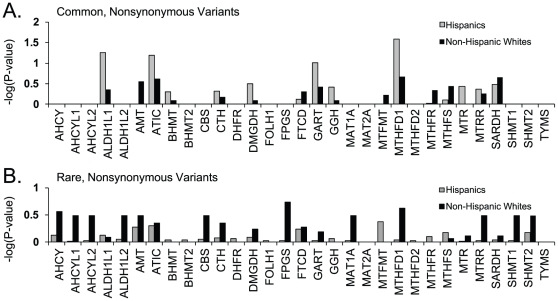
Figure 2. Allele Sums by Individual Gene.
Common and rare nonsynonymous changes were summed as in Figure 1 except here on a gene-by-gene basis rather than considering the pathway as a whole. –log (P-values) were calculated by permutation (but not adjusted for multiple comparisons) based on the case/control distributions within each gene in Hispanics and non-Hispanic whites. On the y-axis, 1.3 corresponds to P-value = 0.05.
Figure 3
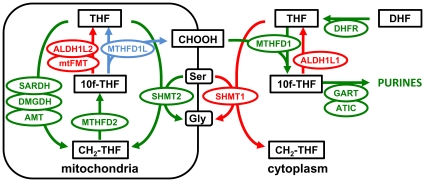
Figure 3. Purine Metabolic Cassette.
The subset of reactions within the folate metabolic pathway that have been inferred to be relevant to purine biosynthesis based on observations in the literature (see text for details). Genes (balloons) and their cognate enzymatic steps (arrows) are colored either green (beneficial to purine synthesis) or red (detrimental to purine synthesis). The MTHFD1L reaction, responsible for generating mitochondrial formate and beneficial to purine synthesis, is shown in blue because it was not one of the 31 sequenced genes.
Figure 4
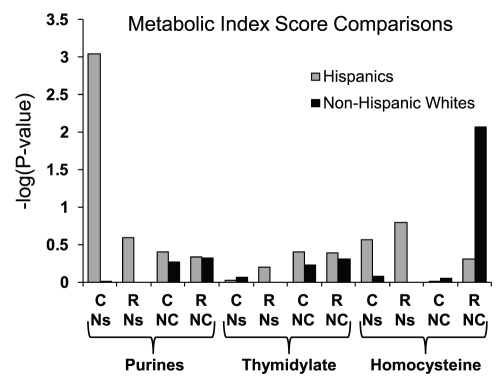
Figure 4. Inferred Metabolic Impact in NTD Cases and Controls.
Metabolic Index Scores were calculated for 3 key folate-regulated metabolites (Purines, Thymidylate, and Homocysteine) and differences in the case/control distributions are represented by –log(P-values). Index Scores were derived from alleles summed according to pathway designations (gene sets and directionality; see Figure 3 and Table S3) and P-values following permutation were calculated as described in Methods. The P-values shown are not adjusted for multiple comparison testing. For each metabolite, 4 different subsets of variants were considered to derive Index Scores and are indicated by the following abbreviations on the x-axis: C, common alleles (MAF>2.5%); R, rare alleles (MAF≤2.5%); Ns, nonsynonymous variants; NC, non-coding variants. Results are shown for Hispanic and non-Hispanic white subsets of the study population.
Figure 5
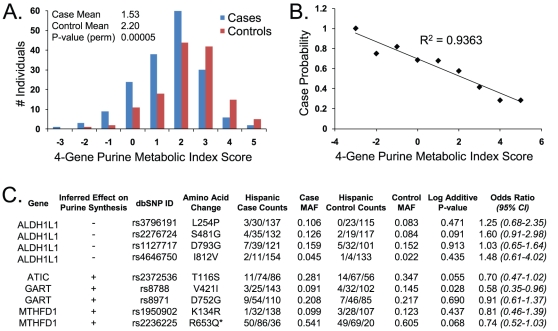
Figure 5. Nonsynonymous Variants in the Hispanic Signature.
A. Hispanic case/control distributions of purine Metabolic Index Scores calculated from common synonymous variants (n = 9) in 4 genes (ALDH1L1, ATIC, GART, MTHFD1). The P-value shown is not adjusted for multiple comparisons (see text). B. The data in panel A transformed to demonstrate the fraction of cases as a function of purine Metabolic Index Score. C. Attributes of the 9 SNPs that went into the purine MIS calculations of panel A. “Inferred Effect on Purine Synthesis” is the inferred effect of that particular gene product on purine biosynthesis (see text for details). Case and control counts are given as individual genotype distributions: # minor allele homozygotes/# heterozygotes/# major allele homozygotes). Log additive P-values and odds ratios were calculated as in Methods using only Hispanic samples and not multiple-testing adjusted. *Minor Q653 MTHFD1 enzyme variant is the major allele in Mexican-American populations (http://hapmap.ncbi.nlm.nih.gov/).
Figure 6
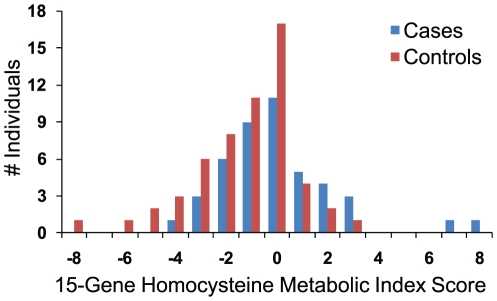
Figure 6. Homocysteine-Related Signature in Non-Hispanic Whites.
Non-Hispanic white case/control distributions of homocysteine Metabolic Index Scores calculated from rare, non-coding variants (n = 149) in 15 homocysteine-related genes, signed and summed according to Table S3. See text for details.

References

    1. Au KS, Ashley-Koch A, Northrup H. Epidemiologic and genetic aspects of spina bifida and other neural tube defects. Dev Disabil Res Rev. 2010;16:6–15. - PMC - PubMed
    1. Copp AJ, Greene ND, Murdoch JN. The genetic basis of mammalian neurulation. Nat Rev Genet. 2003;4:784–793. - PubMed
    1. Harris MJ. Insights into prevention of human neural tube defects by folic acid arising from consideration of mouse mutants. Birth Defects Res A Clin Mol Teratol. 2009;85:331–339. - PubMed
    1. Carmichael SL, Shaw GM, Selvin S, Schaffer DM. Diet quality and risk of neural tube defects. Med Hypotheses. 2003;60:351–355. - PubMed
    1. Williams LJ, Mai CT, Edmonds LD, Shaw GM, Kirby RS, et al. Prevalence of spina bifida and anencephaly during the transition to mandatory folic acid fortification in the United States. Teratology. 2002;66:33–39. - PubMed

Publication types