


Deciphering the structure and function of FcεRI/mast cell axis in the regulation of allergy and anaphylaxis: a functional genomics paradigm
- PMID: 22146792
- PMCID: PMC11114762
- DOI: 10.1007/s00018-011-0886-0
Deciphering the structure and function of FcεRI/mast cell axis in the regulation of allergy and anaphylaxis: a functional genomics paradigm
Abstract
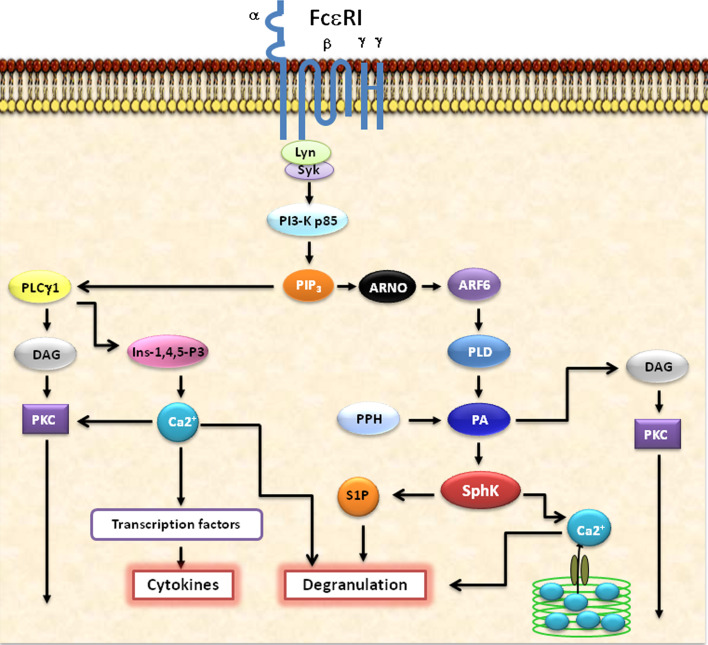
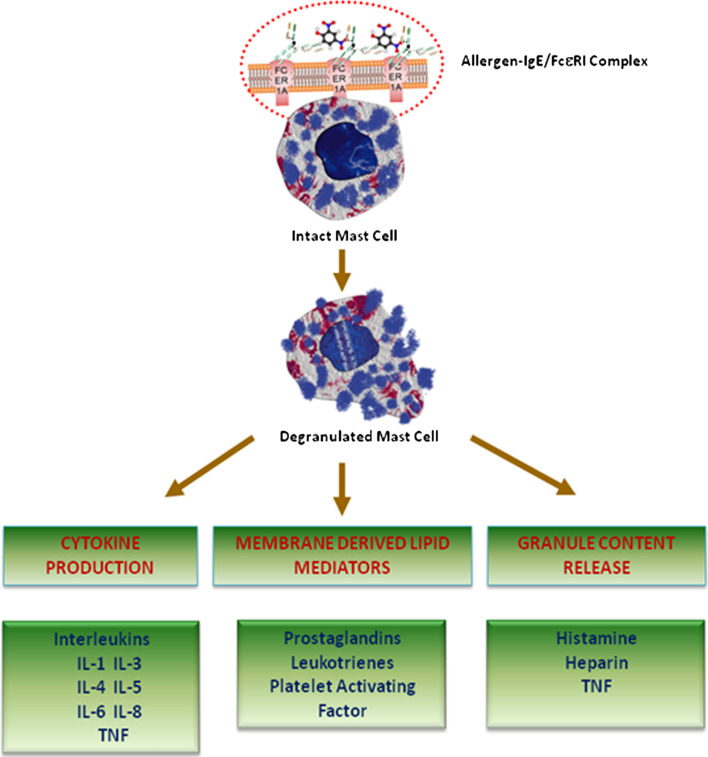
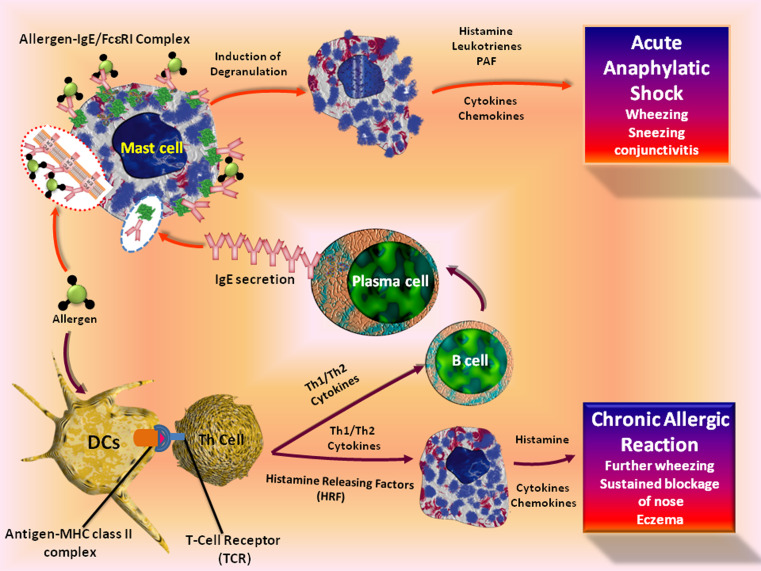
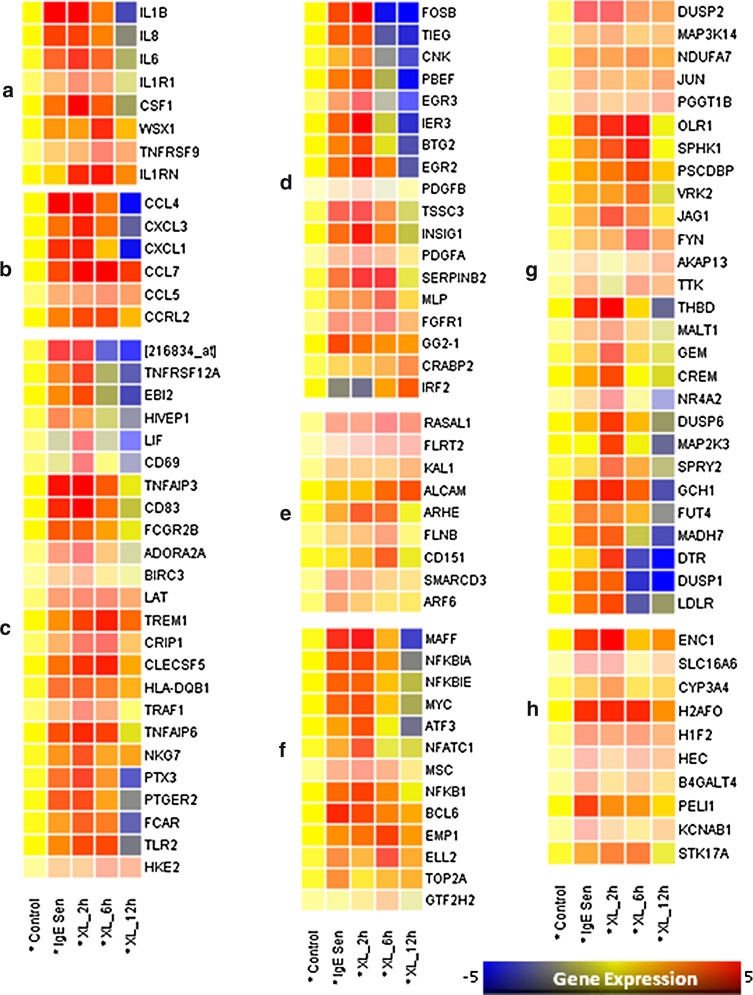
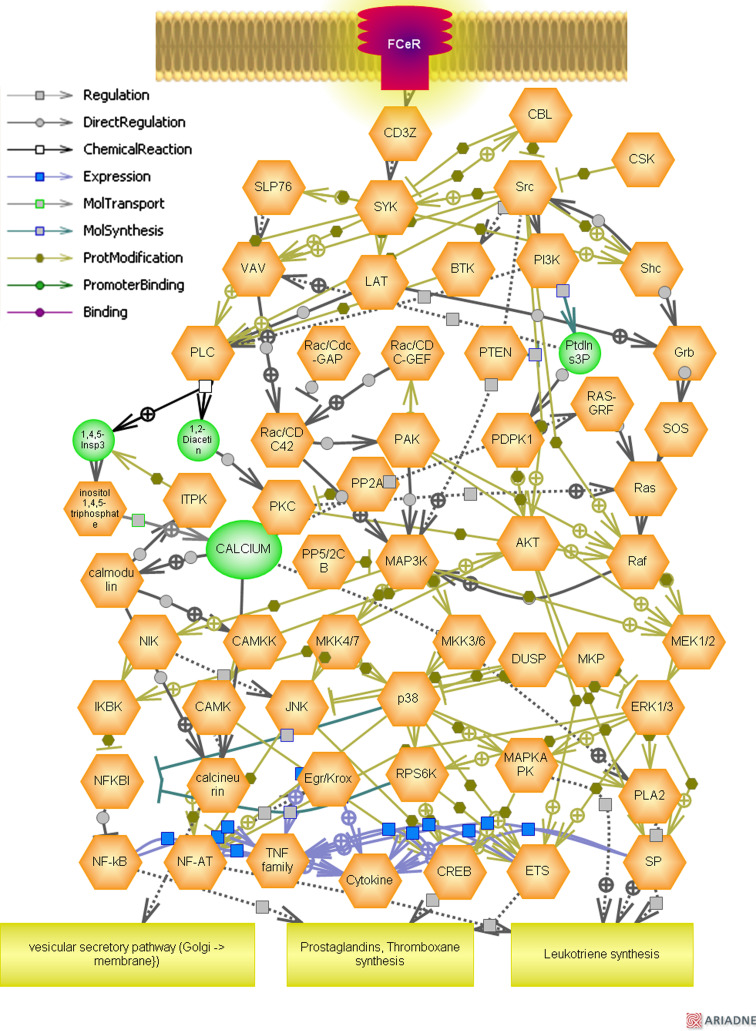
Allergy and anaphylaxis are inflammatory disorders caused by immune reactions mainly induced by immunoglobulin-E that signal through the high-affinity FcεRI receptor to release the inflammatory mediators from innate immune cells. The FcεRI/mast cell axis is potently involved in triggering various intracellular signaling molecules to induce calcium release from the internal stores, induction of transcription factors such as NF-kB, secretion of various cytokines as well as lipid mediators, and degranulation, resulting in the induction of allergy and anaphylaxis. In this review, we discuss various cellular and molecular mechanisms triggered through FcεRI/mast cell axis in allergy and anaphylaxis with a special emphasis on the functional genomics paradigm.
Figures
References
-
- MacDonald SM, Rafnar T, Langdon J, Lichtenstein LM. Molecular identification of an IgE-dependent histamine-releasing factor. Science. 1995;269(5224):688–690. - PubMed
-
- Portier P, Richet C. De l’action anaphylatique de certain venins. C R Soc Biol. 1902;54:170.
-
- Theoharides TC, Kalogeromitros D. The critical role of mast cells in allergy and inflammation. Ann NY Acad Sci. 2006;1088:78–99. - PubMed
-
- Metcalfe DD, Baram D, Mekori YA. Mast cells. Physiol Rev. 1997;77(4):1033–1079. - PubMed
Publication types
MeSH terms
Substances
LinkOut - more resources
Full Text Sources
Medical
