


Cryptotanshinone suppresses androgen receptor-mediated growth in androgen dependent and castration resistant prostate cancer cells
- PMID: 22154085
- PMCID: PMC3283034
- DOI: 10.1016/j.canlet.2011.10.006
Cryptotanshinone suppresses androgen receptor-mediated growth in androgen dependent and castration resistant prostate cancer cells
Abstract
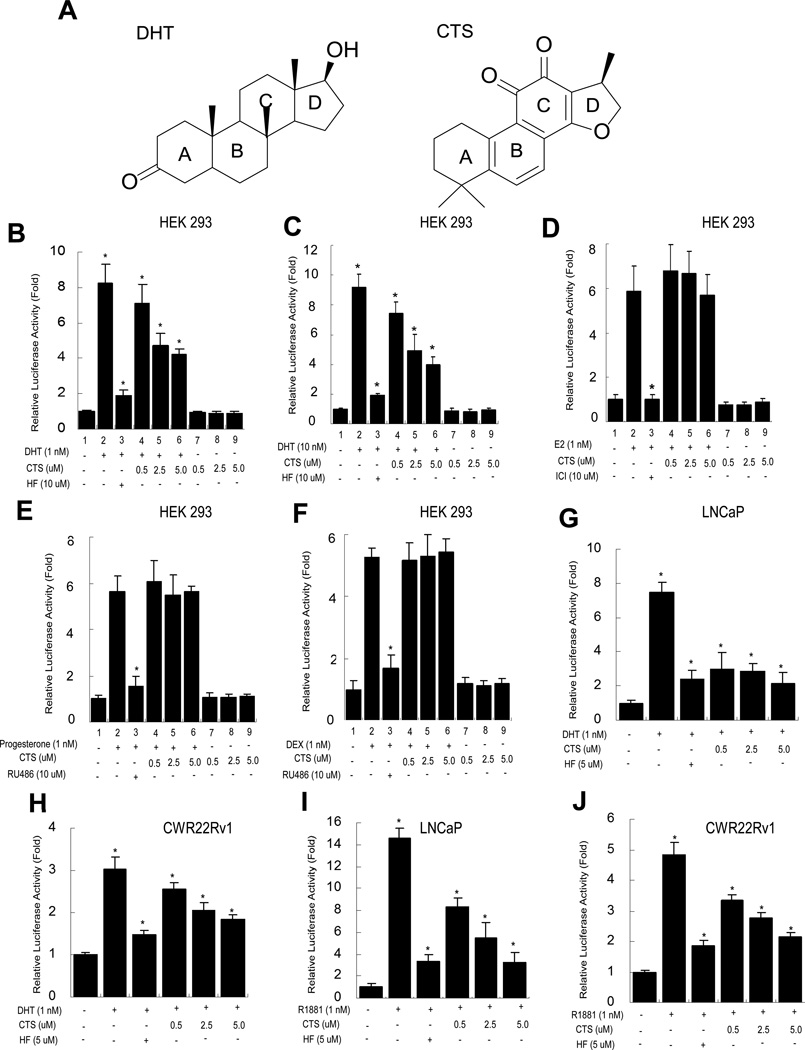
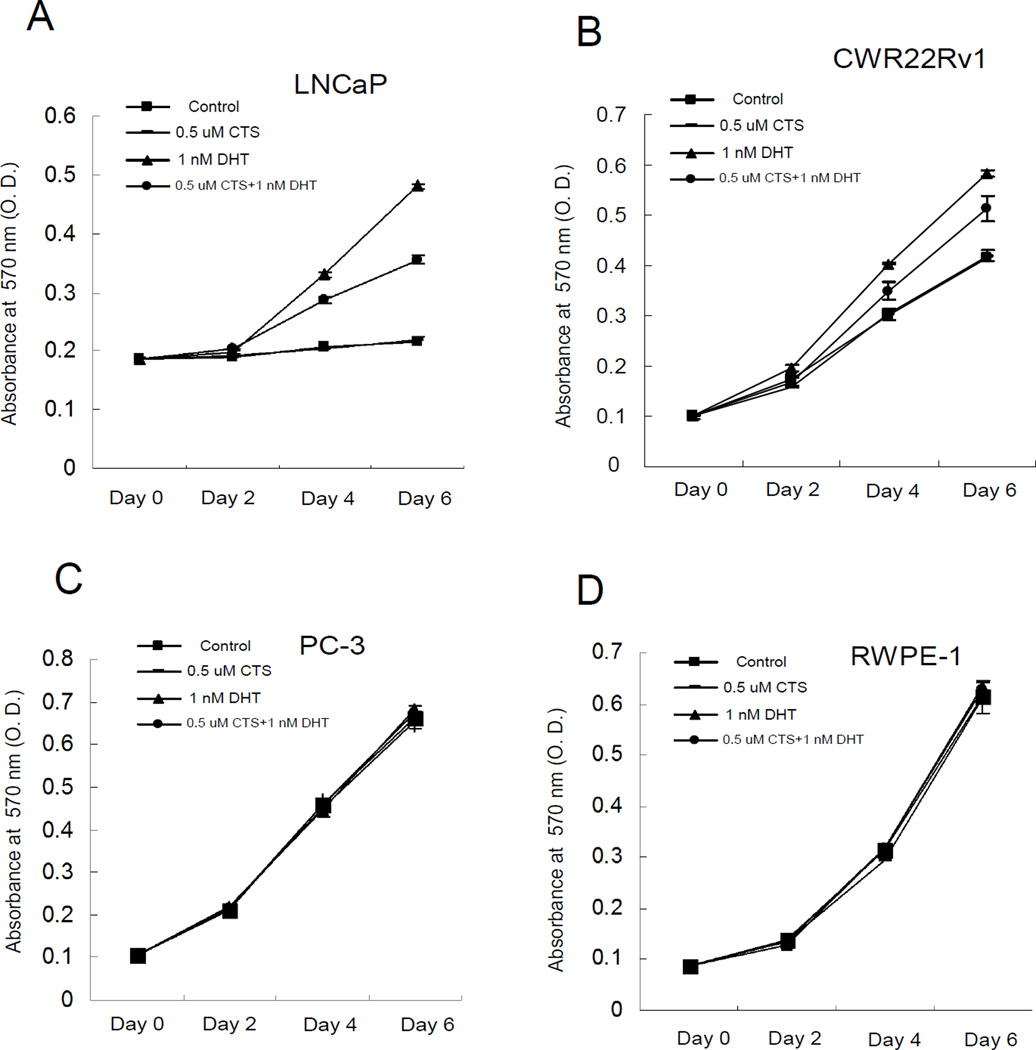
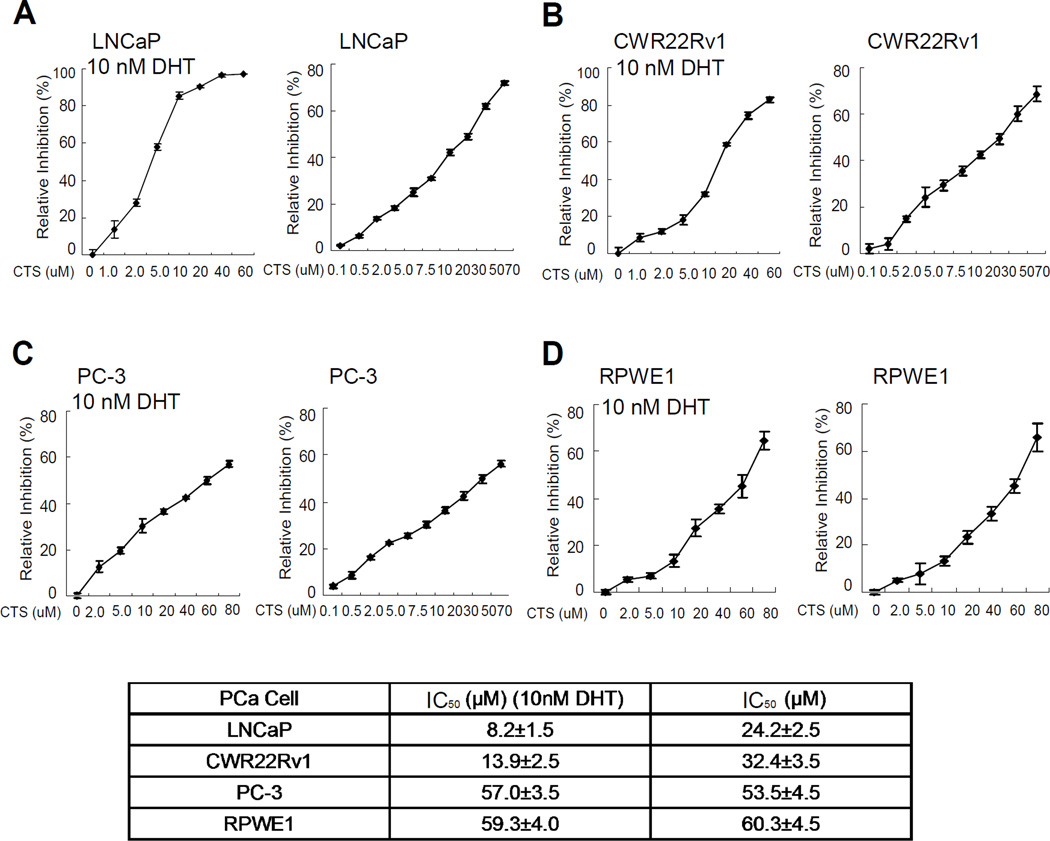
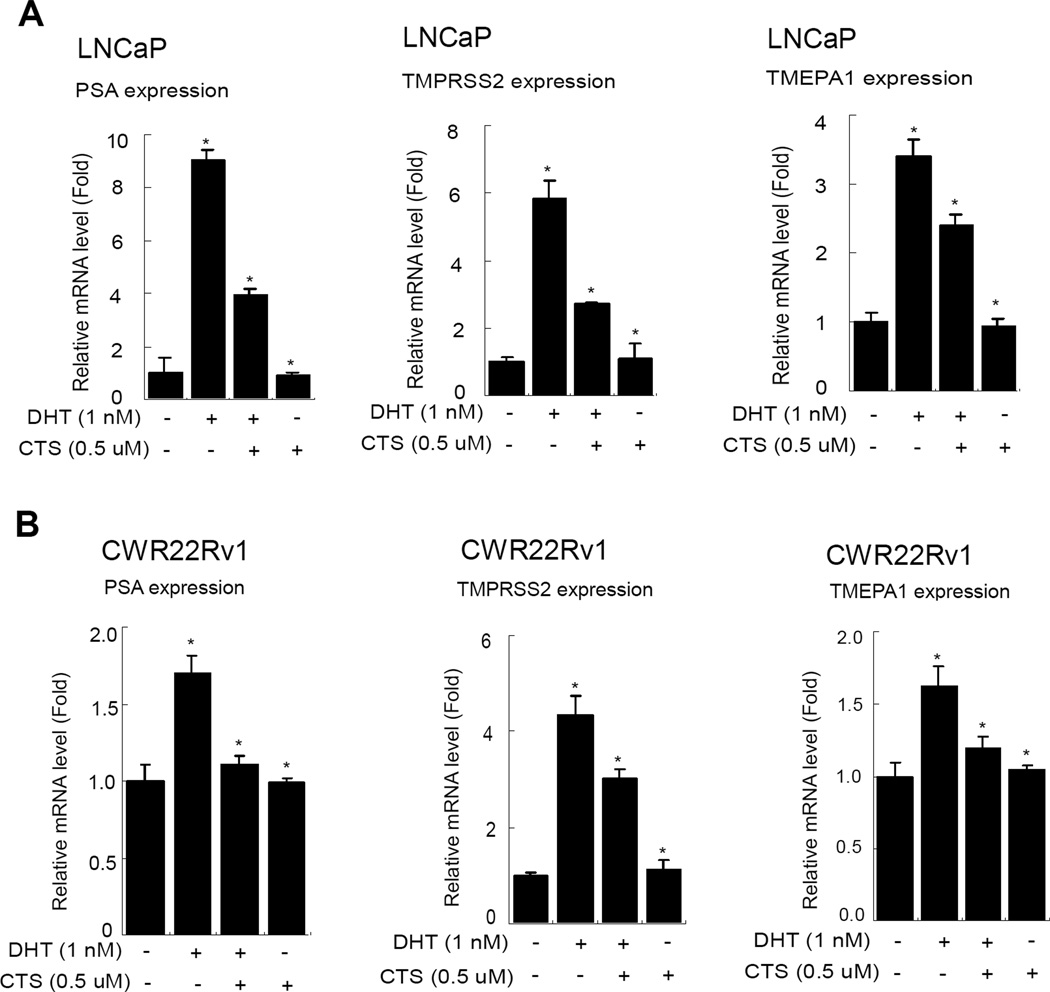
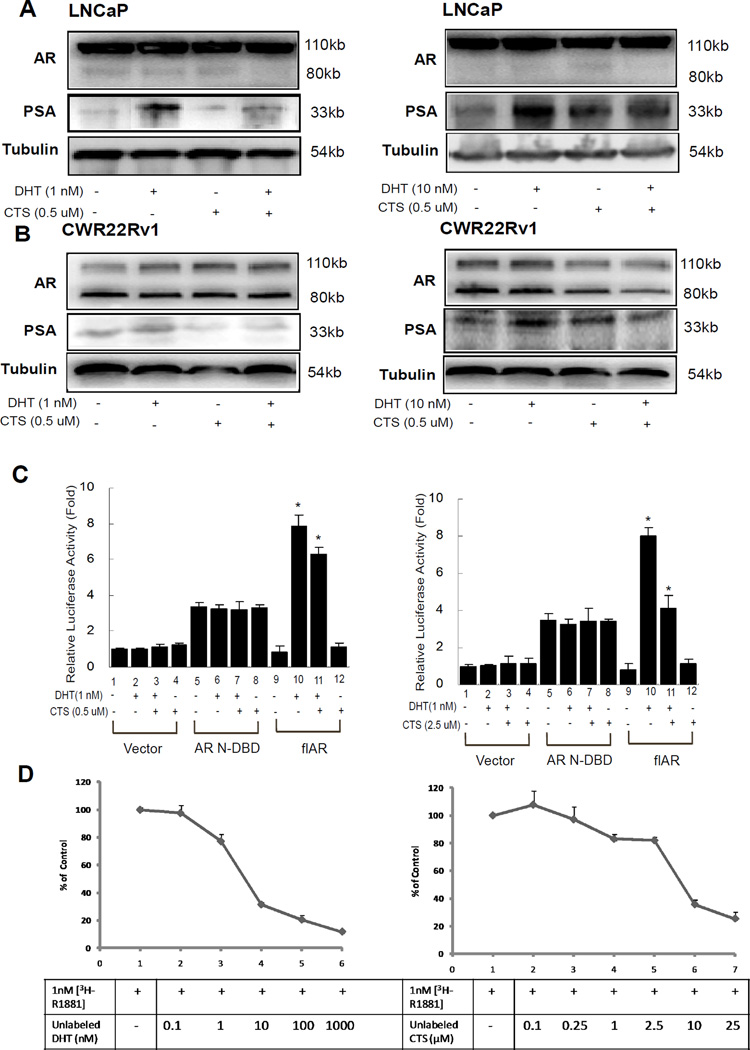
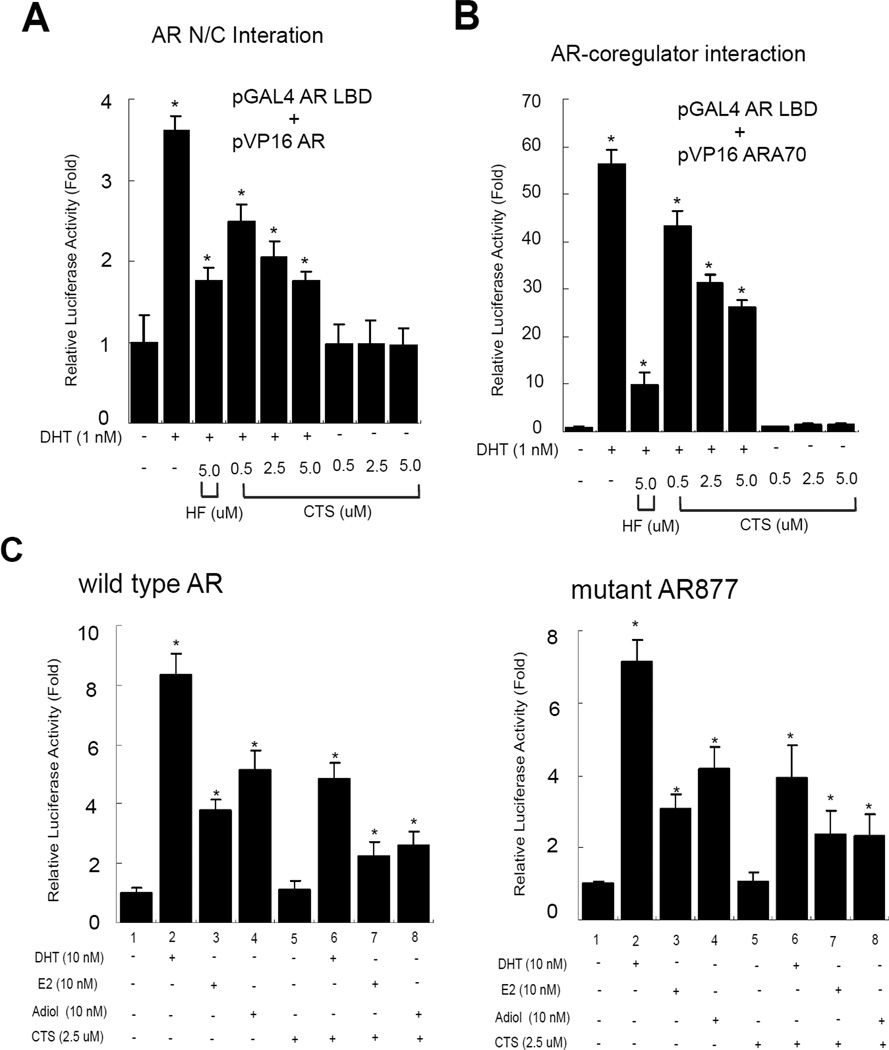
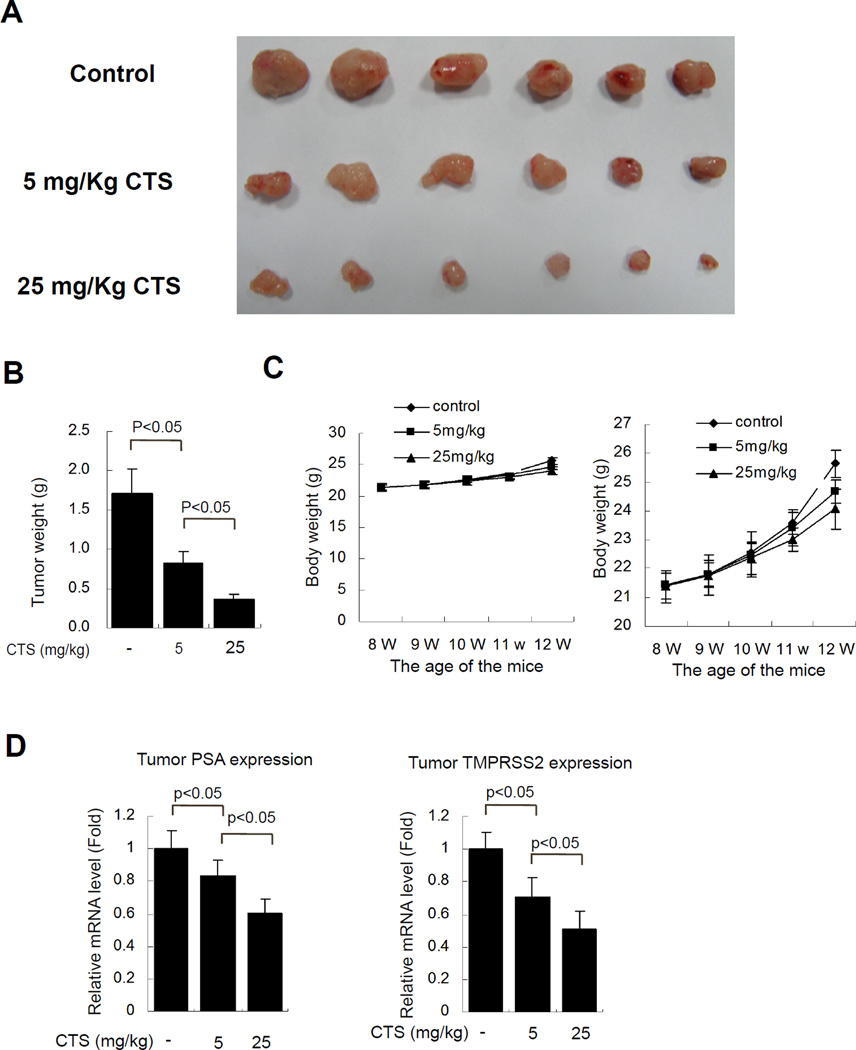
Androgen receptor (AR) is the major therapeutic target for the treatment of prostate cancer (PCa). Anti-androgens to reduce or prevent androgens binding to AR are widely used to suppress AR-mediated PCa growth; however, the androgen depletion therapy is only effective for a short period of time. Here we found a natural product/Chinese herbal medicine cryptotanshinone (CTS), with a structure similar to dihydrotestosterone (DHT), can effectively inhibit the DHT-induced AR transactivation and prostate cancer cell growth. Our results indicated that 0.5 μM CTS effectively suppresses the growth of AR-positive PCa cells, but has little effect on AR negative PC-3 cells and non-malignant prostate epithelial cells. Furthermore, our data indicated that CTS could modulate AR transactivation and suppress the DHT-mediated AR target genes (PSA, TMPRSS2, and TMEPA1) expression in both androgen responsive PCa LNCaP cells and castration resistant CWR22rv1 cells. Importantly, CTS selectively inhibits AR without repressing the activities of other nuclear receptors, including ERα, GR, and PR. The mechanistic studies indicate that CTS functions as an AR inhibitor to suppress androgen/AR-mediated cell growth and PSA expression by blocking AR dimerization and the AR-coregulator complex formation. Furthermore, we showed that CTS effectively inhibits CWR22Rv1 cell growth and expressions of AR target genes in the xenograft animal model. The previously un-described mechanisms of CTS may explain how CTS inhibits the growth of PCa cells and help us to establish new therapeutic concepts for the treatment of PCa.
Copyright © 2011 Elsevier Ireland Ltd. All rights reserved.
Conflict of interest statement
None Declared
Figures
References
-
- Jemal A, Siegel R, Xu J, Ward E. Cancer Statistics, 2010, CA. Cancer J Clin. 2010;60:277–300. - PubMed
-
- Heinlein CA, Chang C. Androgen receptor in prostate cancer. Endocr. Rev. 2004;25(2):276–308. - PubMed
-
- Henderson BE, Feigelson HS. Hormonal carcinogenesis. Carcinogenesis. 2000;21:427–433. - PubMed
-
- Marker PC, Donjacour AA, Dahiya R, Cunha GR. Hormonal, cellular, and molecular control of prostatic development. Dev Biol. 2003;253(2):165–174. - PubMed
-
- Bonkhoff H, Remberger K. Differentiation pathways and histogenetic aspects of normal and abnormal prostatic growth: a stem cell model. The Prostate. 1996;28(2):98–106. - PubMed
Publication types
MeSH terms
Substances
Grants and funding
LinkOut - more resources
Full Text Sources
Other Literature Sources
Medical
Research Materials
Miscellaneous
