


Alteration of the nasal responses to influenza virus by tobacco smoke
- PMID: 22157158
- PMCID: PMC3305994
- DOI: 10.1097/ACI.0b013e32834ecc80
Alteration of the nasal responses to influenza virus by tobacco smoke
Abstract
Purpose of review: The purpose of this review is to highlight recent data regarding the impact of exposure to tobacco smoke on influenza virus infection. This is timely because of the continuing pattern for influenza to cause epidemics and pandemics.
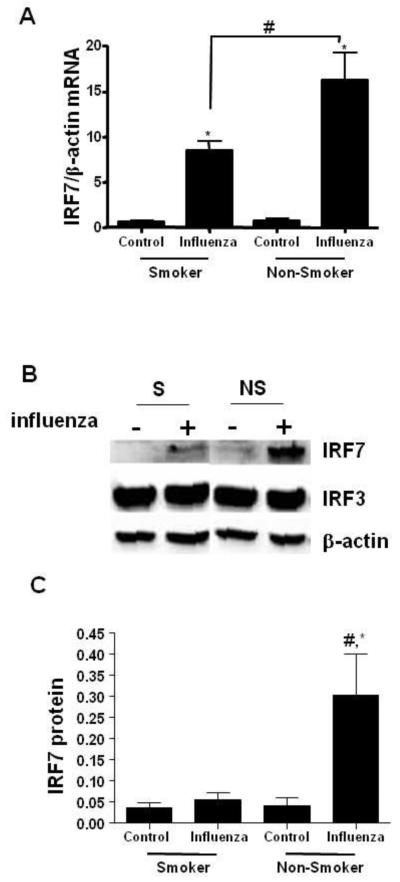
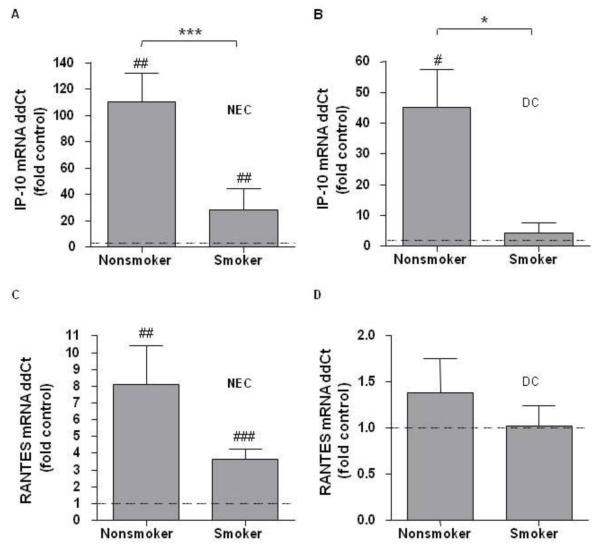
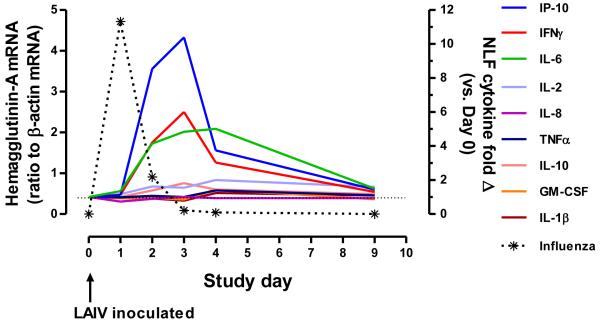
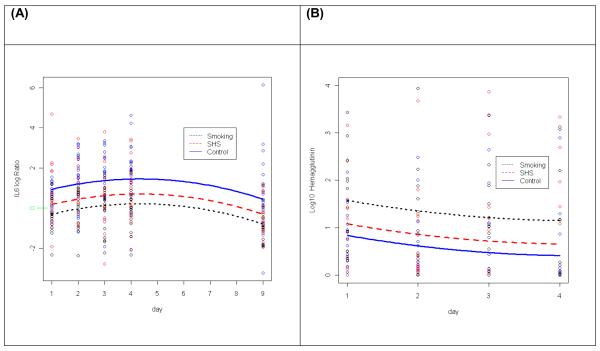
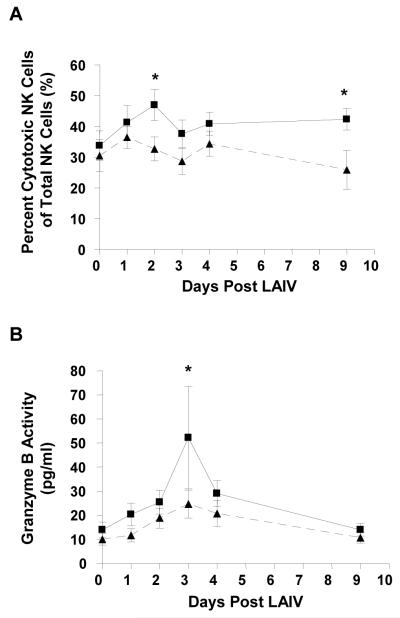
Recent findings: Experimental animal studies suggest tobacco smoke increases severity of respiratory disease with influenza. The interaction is complex and dependent on dose and chronicity of both virus and smoke exposure. Smoke-induced oxidant stress and suppression of innate immunity are mechanistic factors leading to worse disease. Experiments using human respiratory cells show that tobacco smoke increases viral replication through mechanisms including suppression of antiviral pathways and altered cytokine patterns in cell types with central roles in mucosal innate immunity, such as epithelium, dendritic cells, and natural killer cells. Studies also suggest a role for antioxidant strategies in reducing risk. Human volunteer studies using live attenuated influenza virus as a model appear to corroborate many of these findings.
Summary: Exposure to tobacco smoke remains extremely prevalent worldwide. Although avoidance of exposure is a primary goal, it is important to understand the mechanisms underlying increased infection risk with tobacco smoke and other pollutant exposures, so that novel preventive or treatment strategies can be developed.
Figures
References
-
- Swerdlow DL, Finelli L, Bridges CB. H1N1 influenza pandemic: field and epidemiologic investigations in the United States at the start of the first pandemic of the 21st century. Clin Infect Dis. 2011 Jan 1;52(Suppl 1):S1–3. 2009. - PubMed
-
- Arcavi L, Benowitz NL. Cigarette smoking and infection. Arch Intern Med. 2004;164:2206–2216. - PubMed
-
- Kark JD, Lebiush M, Rannon L. Cigarette smoking as a risk factor for epidemic a(h1n1) influenza in young men. N Engl J Med. 1982;307:1042–1046. - PubMed
Publication types
MeSH terms
Grants and funding
LinkOut - more resources
Full Text Sources
Medical
Research Materials
