. 2011 Dec;7(12):e1002411.
doi: 10.1371/journal.ppat.1002411. Epub 2011 Dec 8.

Toward an integrated model of capsule regulation in Cryptococcus neoformans

Affiliations

Toward an integrated model of capsule regulation in Cryptococcus neoformans

Brian C Haynes et al. PLoS Pathog. 2011 Dec.

Abstract

Cryptococcus neoformans is an opportunistic fungal pathogen that causes serious human disease in immunocompromised populations. Its polysaccharide capsule is a key virulence factor which is regulated in response to growth conditions, becoming enlarged in the context of infection. We used microarray analysis of cells stimulated to form capsule over a range of growth conditions to identify a transcriptional signature associated with capsule enlargement. The signature contains 880 genes, is enriched for genes encoding known capsule regulators, and includes many uncharacterized sequences. One uncharacterized sequence encodes a novel regulator of capsule and of fungal virulence. This factor is a homolog of the yeast protein Ada2, a member of the Spt-Ada-Gcn5 Acetyltransferase (SAGA) complex that regulates transcription of stress response genes via histone acetylation. Consistent with this homology, the C. neoformans null mutant exhibits reduced histone H3 lysine 9 acetylation. It is also defective in response to a variety of stress conditions, demonstrating phenotypes that overlap with, but are not identical to, those of other fungi with altered SAGA complexes. The mutant also exhibits significant defects in sexual development and virulence. To establish the role of Ada2 in the broader network of capsule regulation we performed RNA-Seq on strains lacking either Ada2 or one of two other capsule regulators: Cir1 and Nrg1. Analysis of the results suggested that Ada2 functions downstream of both Cir1 and Nrg1 via components of the high osmolarity glycerol (HOG) pathway. To identify direct targets of Ada2, we performed ChIP-Seq analysis of histone acetylation in the Ada2 null mutant. These studies supported the role of Ada2 in the direct regulation of capsule and mating responses and suggested that it may also play a direct role in regulating capsule-independent antiphagocytic virulence factors. These results validate our experimental approach to dissecting capsule regulation and provide multiple targets for future investigation.


Conflict of interest statement

The authors have declared that no competing interests exist.

Figures
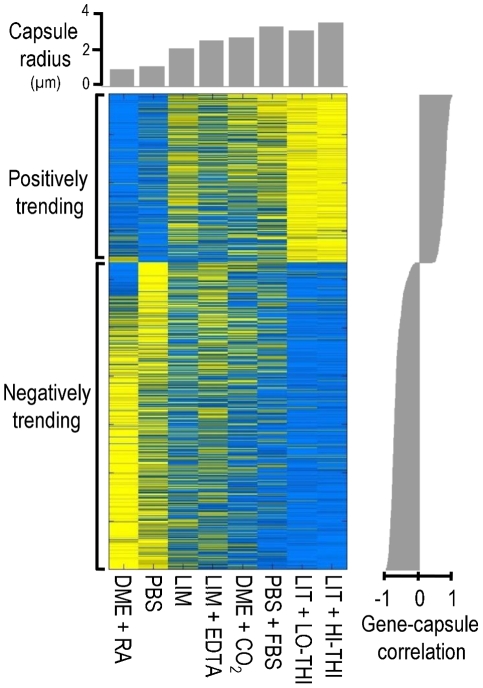
Figure 1
Figure 1. The transcriptional signature of capsule induction.
Shown is a heat map of gene expression (blue, low expression; yellow, high expression) for the 880 genes whose expression, as assessed by microarray analysis, trends with capsule size. Cell growth conditions (see Methods) for each column are indicated below the heat map (see Results for abbreviations) and average capsule radius is plotted above (gray bars). The correlation of gene expression and capsule size is plotted at the right.
Figure 2
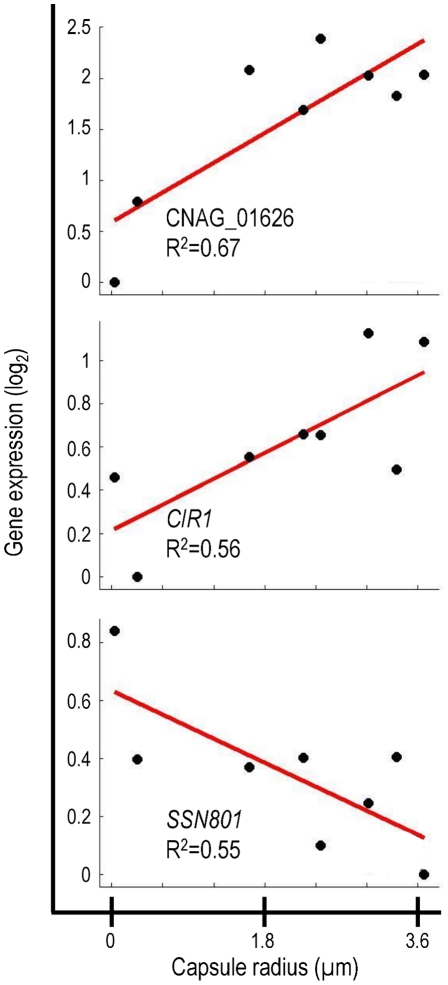
Figure 2. Correlation of gene expression and capsule size for selected genes.
Data is shown for three genes that demonstrate correlation between gene expression and capsule size.
Figure 3
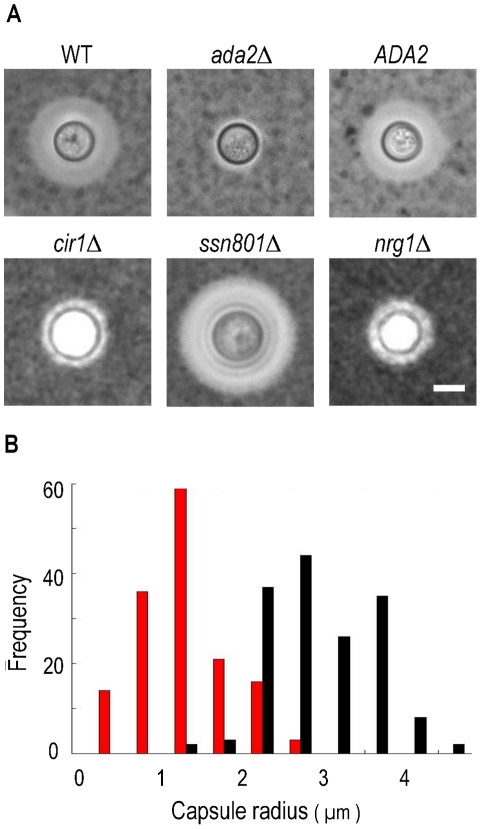
Figure 3. Cells lacking ADA2 display reduced capsule size under inducing conditions.
Panel A, negative staining with India ink of KN99α cells (WT), the indicated deletion strains, and the complemented ada2Δ mutant (ADA2). All images are at the same magnification. Scale bar, 5 µm. Panel B, histogram of capsule size for the ada2Δ mutant (red) and WT (black) populations. Capsule radius is represented in microns.
Figure 4
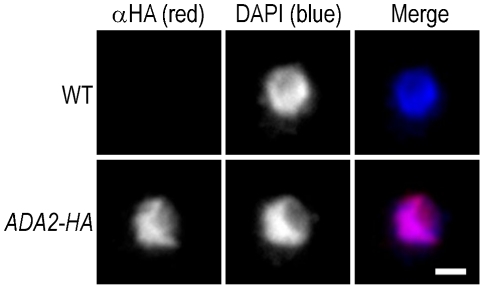
Figure 4. Cryptococcal Ada2 is localized to the nucleus.
Wild type cells (WT) and cells modified to express HA epitope-tagged Ada2 from the native locus (ADA2-HA) were labeled with an antibody against HA (αHA, red), and counter-stained with DAPI (blue) to show the location of chromatin. All images were acquired at the same settings and are shown at the same magnification. Scale bar, 1 µm.
Figure 5
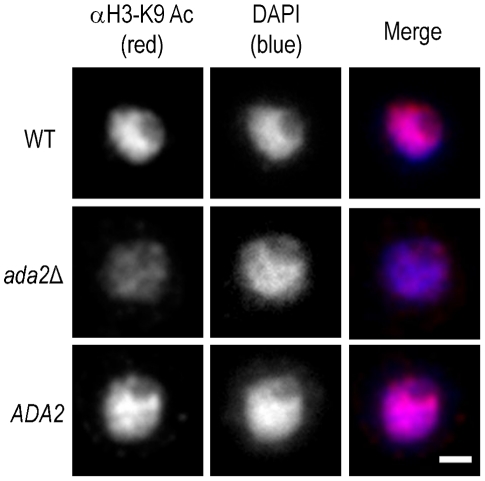
Figure 5. Histone acetylation is markedly reduced in the absence of Ada2.
Shown are immunofluorescence micrographs of wild type (WT), ada2Δ, and complemented ada2Δ (ADA2) cells grown in capsule inducing conditions for 90 min and then probed with antibody to H3K9 (αH3-K9). All images were acquired at the same settings and are shown at the same magnification; scale bar, 1 µm.
Figure 6
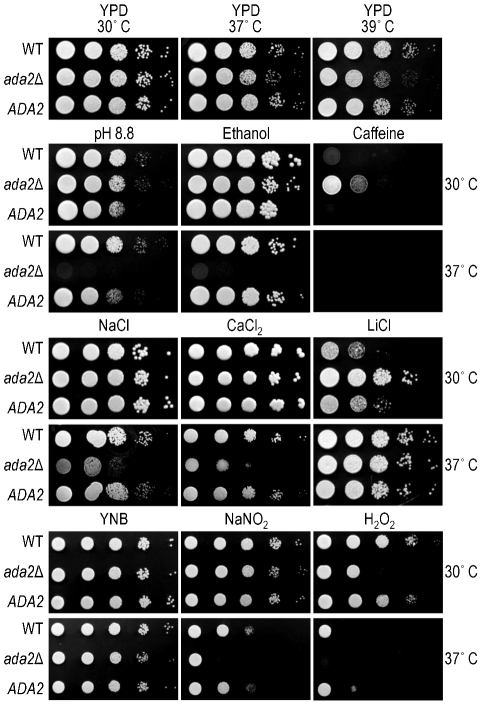
Figure 6. Ada2 is required for growth under certain stress conditions.
Ten-fold serial dilutions of the indicated strains were grown in the conditions shown (see Methods for details). Top panel, growth on rich medium (YPD) at the temperatures indicated above the images; middle panels (four rows of images), growth on YPD with the indicated stressor at the temperatures shown at the right; bottom panel (two rows of images), growth on minimal medium (YNB) or YNB with the indicated stressor at the temperatures shown at the right.
Figure 7
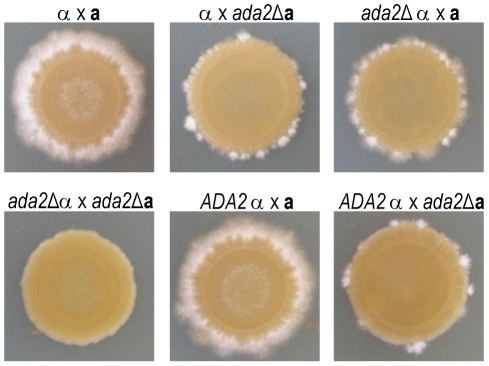
Figure 7. Ada2 is required for normal hyphal development.
Wild type (no strain designation), ada2Δ, and complemented ada2Δ (ADA2) strains of opposite mating type were mixed and grown under conditions that induce mating (see Methods). Patches were imaged after 13 days.
Figure 8
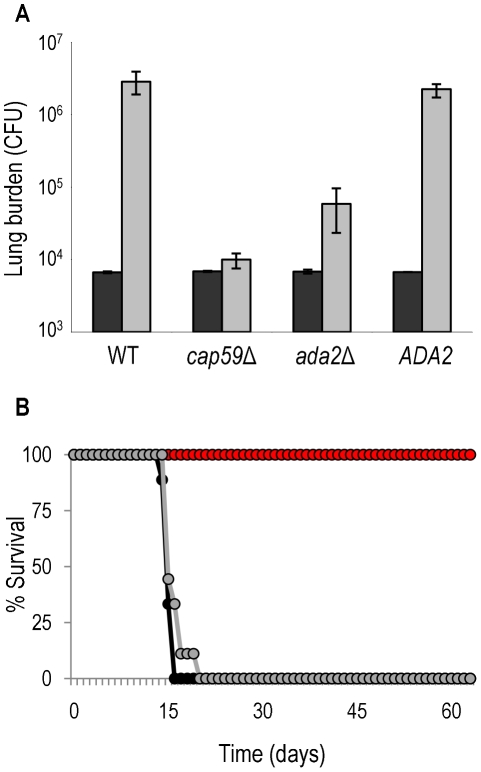
Figure 8. Ada2 is required for growth and virulence in mice.
Panel A, C57Bl/6 mice were intranasally inoculated with 1.25 × 10⁴ cells of the indicated strains, and total colony forming units (CFU) were isolated from the lungs after one hour (black bars) or one week (gray bars). The mean±maximum and minimum is shown. Panel B, survival curve of A/Jcr mice that were similarly inoculated with 105 cells of wild type (black), ada2Δ (red), or complemented ada2Δ (gray). Like those infected with ada2Δ, all mice that were infected in the same study with cap59 survived the entire period (not shown).
Figure 9
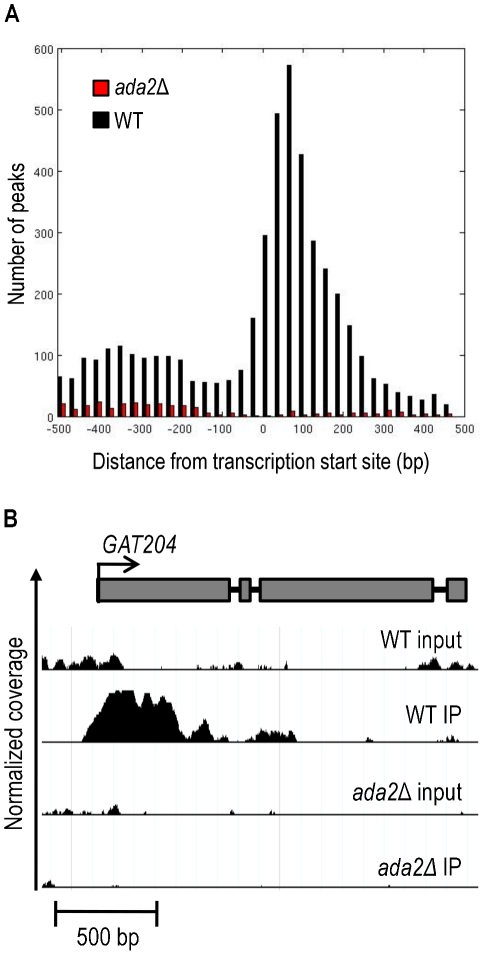
Figure 9. Ada2-dependent acetylation of H3K9 is enriched near gene transcription start sites.
ChIP-Seq was performed on wild type (WT) and the ada2Δ mutant to identify genes located in the proximity of acetylated H3K9. Panel A, a histogram of peaks that occur within 500 bp of the transcription start site of all identified genes . Panel B, an example of ChIP-Seq data aligned to a gene model of GAT204, which was identified as Ada2-dependent by both ChIP-Seq and RNA-Seq. The y-axis represents normalized coverage (reads per million mapped) for samples defined in the text. Coverage is shown for 2 standard deviations above the mean input sample coverage and above. Note that the input DNA profiles are similar for WT and mutant cells, while specific H3K9 associated sequences show TSS-associated peaks only in the WT.
Figure 10
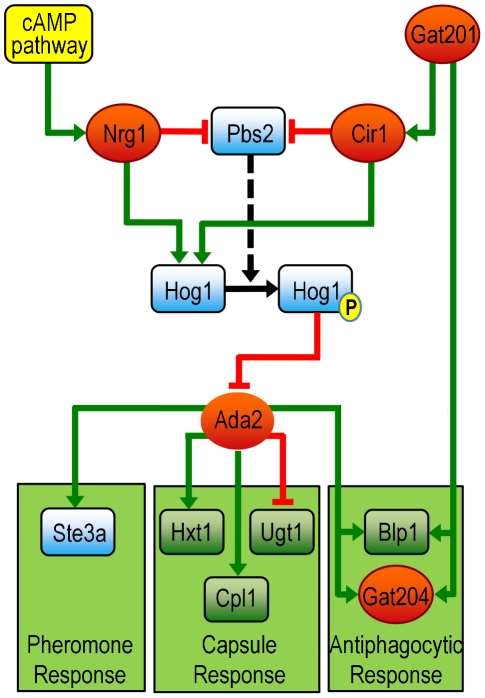
Figure 10. A model of Ada2 within the broader network of capsule, mating, and antiphagocytic responses (see text for details).
Links from Cir1 and Nrg1 are supported by RNA-Seq data presented here. Links from Hog1 and Pbs2 are supported by published microarray data ; links from Gat201 are supported by published data from microarrays and ChIP-chip ; and links from Ada2 are supported by RNA-Seq and ChIP-chip data presented here. Red ovals, transcription factors; blue rounded rectangles, signaling proteins; green rounded rectangles, other proteins; green lines, stimulation of transcription; red lines, inhibition of transcription; solid black arrow, phosphorylation; P, phosphate; dashed arrow, catalysis by Pbs2.

References

    1. Heitman J, Kozel TR, Kwon-Chung J, Perfect J, Casadevall A. Washington, D.C.: ASM Press; 2011. Cryptococcus, from human pathogen to model yeast.620
    1. Giles SS, Dagenais TR, Botts MR, Keller NP, Hull CM. Elucidating the pathogenesis of spores from the human fungal pathogen Cryptococcus neoformans. Infect Immun. 2009;77:3491–3500. doi: 10.1128/IAI.00334-09. - DOI - PMC - PubMed
    1. Garcia-Hermoso D, Janbon G, Dromer F. Epidemiological evidence for dormant Cryptococcus neoformans infection. J Clin Microbiol. 1999;37:3204–9. - PMC - PubMed
    1. Park BJ, Wannemuehler KA, Marston BJ, Govender N, Pappas PG, et al. Estimation of the current global burden of cryptococcal meningitis among persons living with HIV/AIDS. AIDS. 2009;23:525–30. - PubMed
    1. Gomez BL, Nosanchuk JD. Melanin and fungi. Curr Opin Infect Dis. 2003;16:91–96. - PubMed

Publication types

MeSH terms