


A proposed model of naturally occurring osteoarthritis in the domestic rabbit
- PMID: 22184086
- PMCID: PMC4326101
- DOI: 10.1038/laban0112-20
A proposed model of naturally occurring osteoarthritis in the domestic rabbit
Abstract
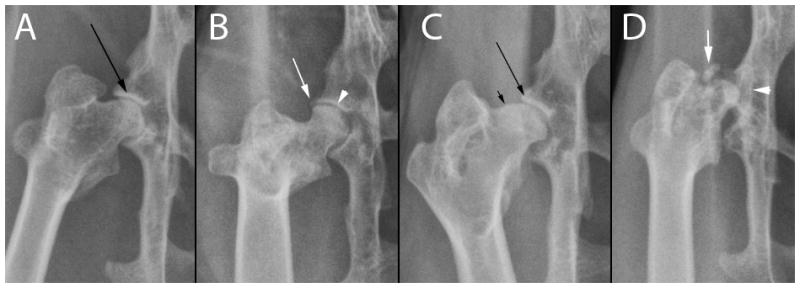
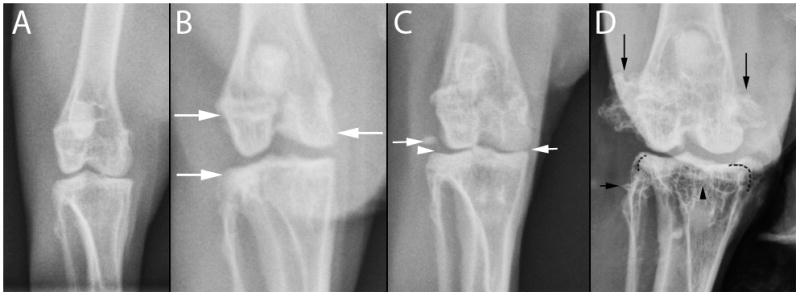
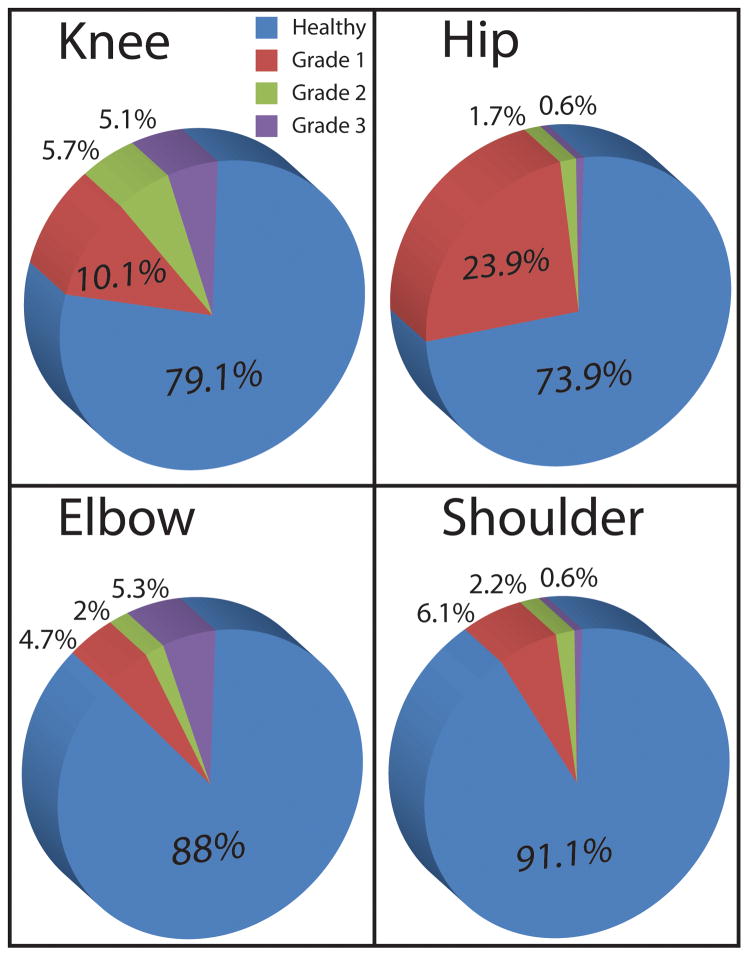
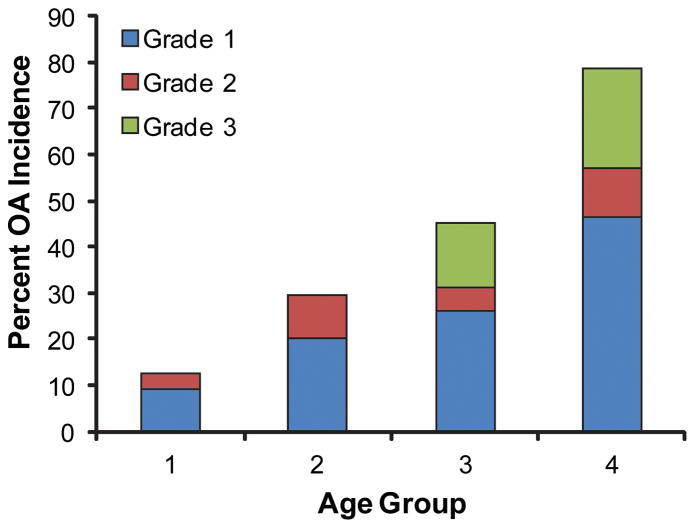
Osteoarthritis affects one in eight American adults over the age of 25 y and is a leading cause of chronic disability in the US. Translational research to investigate treatments for this naturally occurring joint disease requires an appropriate animal model. The authors conducted a retrospective study to assess the potential of naturally occurring osteoarthritis in the domestic rabbit as a model of the human disease. Analysis of radiographic images showed that the presence and severity of osteoarthritis were significantly influenced by both age and body weight. The most commonly affected joints were the knee and the hip. The findings reported here suggest that the rabbit is an excellent model of spontaneously arising osteoarthritis that may be useful in translational research pertaining to the human disease.
Conflict of interest statement
No financial support or benefits were derived from commercial sources, and there is no conflict of interest of any of the authors.
Figures
References
-
- Bendele AM. Animal models of osteoarthritis in an era of molecular biology. J Musculoskelet Neuronal Interact. 2002;2(6):501–503. - PubMed
-
- Dinser R. Animal models for arthritis. Best Pract Res Clin Rheumatol. 2008;22(2):253–267. - PubMed
-
- Bendele AM. Progressive chronic osteoarthritis in femorotibial joints of partial medial meniscectomized guinea pigs. Vet Pathol. 1987;24(5):444–448. - PubMed
-
- Bendele AM, White SL. Early histopathologic and ultrastructural alterations in femorotibial joints of partial medial meniscectomized guinea pigs. Vet Pathol. 1987;24(5):436–443. - PubMed
Publication types
MeSH terms
Grants and funding
LinkOut - more resources
Full Text Sources
Other Literature Sources
