


Coral-associated marine fungi form novel lineages and heterogeneous assemblages
- PMID: 22189500
- PMCID: PMC3379630
- DOI: 10.1038/ismej.2011.193
Coral-associated marine fungi form novel lineages and heterogeneous assemblages
Abstract
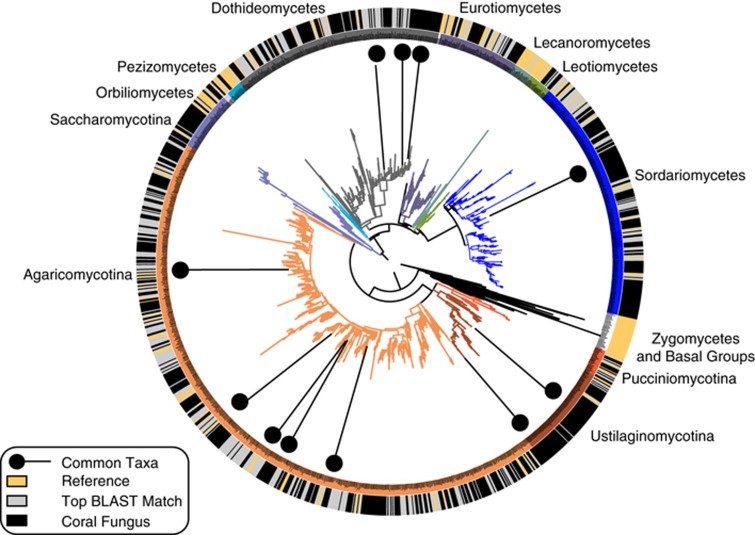
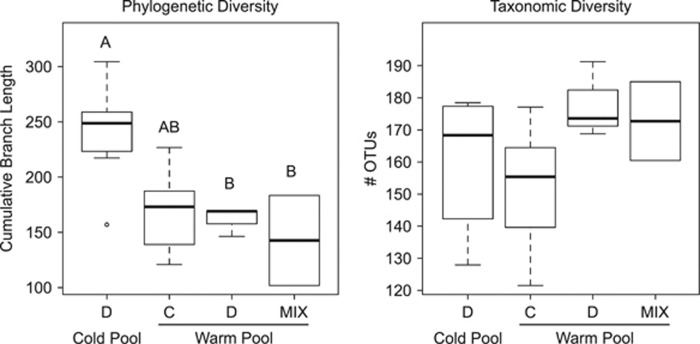
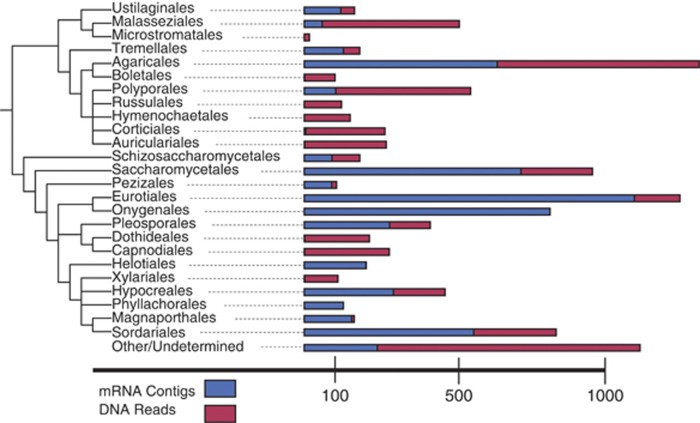
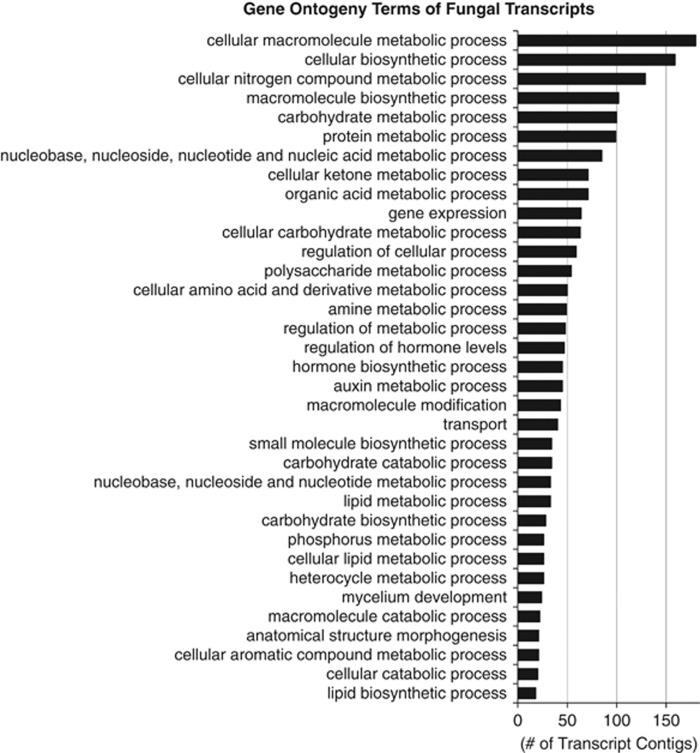
Coral stress tolerance is intricately tied to the animal's association with microbial symbionts. The most well-known of these symbioses is that between corals and their dinoflagellate photobionts (Symbiodinium spp.), whose genotype indirectly affects whether a coral can survive cyclical and anthropogenic warming events. Fungi comprise a lesser-known coral symbiotic community whose taxonomy, stability and function is largely un-examined. To assess how fungal communities inside a coral host correlate with water temperature and the genotype of co-occurring Symbiodinium, we sampled Acropora hyacinthus coral colonies from adjacent natural pools with different water temperatures and Symbiodinium identities. Phylogenetic analysis of coral-associated fungal ribosomal DNA amplicons showed a high diversity of Basidiomycetes and Ascomycetes, including several clades separated from known fungal taxa by long and well-supported branches. Community similarity did not correlate with any measured variables, and total fungal community composition was highly variable among A. hyacinthus coral colonies. Colonies in the warmer pool contained more phylogenetically diverse fungal communities than the colder pool and contained statistically significant 'indicator' species. Four taxa were present in all coral colonies sampled, and may represent obligate associates. Messenger RNA sequenced from a subset of these same colonies contained an abundance of transcripts involved in metabolism of complex biological molecules. Coincidence between the taxonomic diversity found in the DNA and RNA analysis indicates a metabolically active and diverse resident marine fungal community.
Figures
References
-
- Arnold A, Lutzoni F. Diversity and host range of foliar fungal endophytes: are tropical leaves biodiversity hotspots. Ecology. 2007;88:541–549. - PubMed
-
- Arnold A, Miadlikowska J, Higgins K, Sarvate S, Gugger P, Way A, et al. A phylogenetic estimation of trophic transition networks for ascomycetous fungi: are lichens cradles of symbiotrophic fungal diversification. Syst Biol. 2009;58:283–297. - PubMed
-
- Baker AC. Flexibility and specificity in coral-algal symbiosis: diversity, ecology, and biogeography of Symbiodinium. Annu Rev Ecol Evol Syst. 2003;34:661–689.
Publication types
MeSH terms
Substances
LinkOut - more resources
Full Text Sources
Medical
Miscellaneous
