


Reed's Syndrome: A Case of Multiple Cutaneous and Uterine Leiomyomas
- PMID: 22191007
- PMCID: PMC3244358
Reed's Syndrome: A Case of Multiple Cutaneous and Uterine Leiomyomas
Abstract
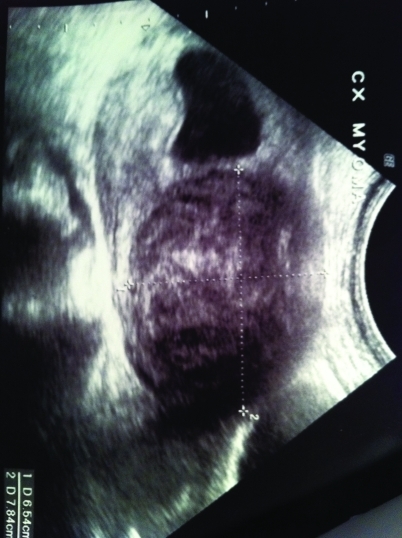
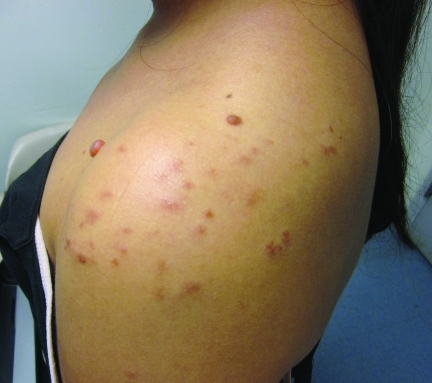
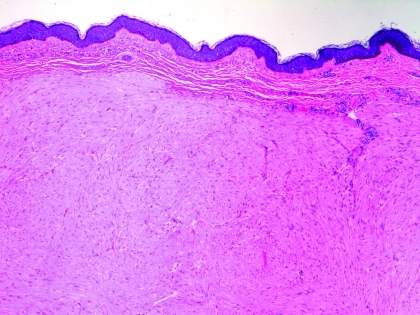
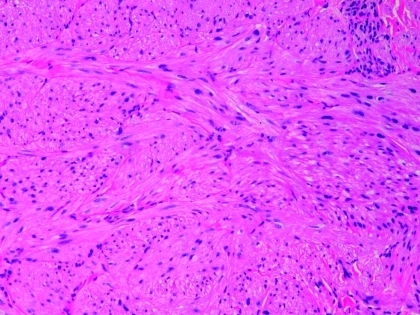
Multiple cutaneous and uterine leiomyomatosis, also known as Reed's syndrome, is an autosomal dominant genetic condition. Affected individuals have an increased predisposition to develop benign smooth muscle tumors (leiomyomas) in the skin and uterus. Affected females frequently develop uterine leiomyomas (fibroids) that are larger and more numerous and emerge earlier than those in the general population. Subsets of these patients are at risk for renal cell cancer and have been determined to have mutations in the fumarate hydratase gene. In individuals or families without renal cell cancer, the syndrome may be referred to as multiple cutaneous leiomyomatosis or multiple cutaneous and uterine leiomyomatosis. The term hereditary leiomyomatosis and renal cell cancer refers to families with an increased prevalence of smooth muscle tumors and renal cell cancer as a result of the fumarate hydratase genetic defect. In this article, the authors introduce a case of a young woman who presented with multiple, intermittently painful, cutaneous leiomyomas and a history of large uterine fibroids previously causing anemia and requiring surgical intervention. Further investigation revealed a family history of mutations in the fumarate hydratase gene. The patient is currently being monitored by the National Institutes of Health.
Conflict of interest statement
Figures
References
-
- Hereditary leiomyomatosis and renal cell cancer. [April 17, 2011]. http://ghr.nlm.nih.gov/condition=hereditaryleiomyomatosisandrenalcellcancer
-
- Reed WB, Walker R, Horowitz R. Cutaneous leiomyomata with uterine leiomyomata. Acta Derm Venereol. 1973;53:409–416. - PubMed
-
- Kiuru M, Launonen V. Hereditary leiomyomatosis and renal cell cancer (HLRCC) Curr Mol Med. 2004;4:869–875. - PubMed
Publication types
LinkOut - more resources
Full Text Sources