


Depression, strokes and dementia: new biological insights into an unfortunate pathway
- PMID: 22216404
- PMCID: PMC3246693
- DOI: 10.1155/2011/649629
Depression, strokes and dementia: new biological insights into an unfortunate pathway
Abstract
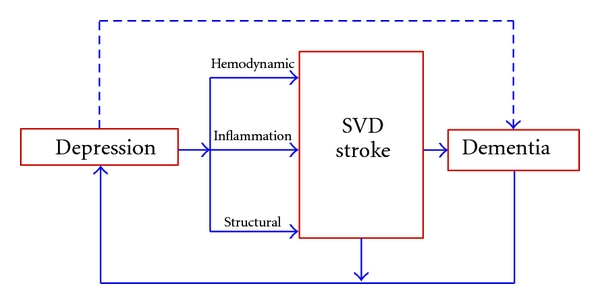
The literature emphasizes the risk of depression after a stroke. Less well known is the fact that depression may be as big a risk factor for strokes as hypertension, particularly in the older age group. This article reviews the risk for stroke and cognitive impairment consequent to depression, and describes the cardiovascular and immunological mechanisms that would appear to link depression to its cerebrovascular consequences. As well, the article refers to the brain imaging signatures that may allow prediction of impending brain injury. Finally, some questions that might be explored by future research are suggested, and some practical means to identify and help those at risk for the development of depression-associated vascular disease of the brain are suggested.
Figures
References
-
- Hackett ML, Yapa C, Parag V, Anderson CS. Frequency of depression after stroke: a systematic review of observational studies. Stroke. 2005;36(6):1330–1340. - PubMed
-
- Sturm JW, Donnan GA, Dewey HM, et al. Quality of life after stroke: the North East Melbourne Stroke Incidence Study (NEMESIS) Stroke. 2004;35(10):2340–2345. - PubMed
-
- Feibel JH, Springer CJ. Depression and failure to resume social activities after stroke. Archives of Physical Medicine and Rehabilitation. 1982;63(6):276–278. - PubMed
-
- Gray LJ, Sprigg N, Bath PMW, et al. Sex differences in quality of life in stroke survivors: data from the Tinzaparin in Acute Ischaemic Stroke Trial (TAIST) Stroke. 2007;38(11):2960–2964. - PubMed
LinkOut - more resources
Full Text Sources
Research Materials
