


Hepatitis E virus in Norway rats (Rattus norvegicus) captured around a pig farm
- PMID: 22217009
- PMCID: PMC3284388
- DOI: 10.1186/1756-0500-5-4
Hepatitis E virus in Norway rats (Rattus norvegicus) captured around a pig farm
Abstract
Background: Hepatitis E virus (HEV) transmitted via the oral route through the consumption of contaminated water or uncooked or undercooked contaminated meat has been implicated in major outbreaks. Rats may play a critical role in HEV outbreaks, considering their negative effects on environmental hygiene and food sanitation. Although the serological evidence of HEV infection in wild rodents has been reported worldwide, the infectivity and propagation of HEV in wild rats remain unknown. To investigate if rats are a possible carrier of HEV, we studied wild Norway rats (Rattus norvegicus) that were caught near a pig farm, where HEV was prevalent among the pigs.
Methods: We examined 56 Norway rats for HEV. RNA from internal organs was examined for RT-PCR and positive samples were sequenced. Positive tissue samples were incubated with A549 cell line to isolate HEV. Anti-HEV antibodies were detected by ELISA.
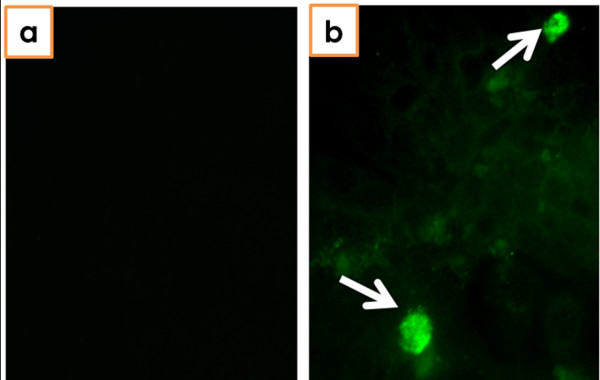
Results: Sixteen rats were seropositive, and the HEV RNA was detected in 10 of the 56 rats. Sequencing of the partial ORF1 gene from 7 samples resulted in partially sequenced HEV, belonging to genotype 3, which was genetically identical to the HEV prevalent in the swine from the source farm. The infectious HEVs were isolated from the Norway rats by using the human A549 cell line.
Conclusions: There was a relatively high prevalence (17.9%) of the HEV genome in wild Norway rats. The virus was mainly detected in the liver and spleen. The results indicate that these animals might be possible carrier of swine HEV in endemic regions. The HEV contamination risk due to rats needs to be examined in human habitats.
Figures
References
-
- Peron JM, Bureau C, Poirson H, Mansuy JM, Alric L, Selves J, Dupuis E, Izopet J, Vinel JP. Fulminant liver failure from acute autochthonous hepatitis E in France: description of seven patients with acute hepatitis E and encephalopathy. J Viral Hepat. 2007;14(5):298–303. - PubMed
-
- Jilani N, Das BC, Husain SA, Baweja UK, Chattopadhya D, Gupta RK, Sardana S, Kar P. Hepatitis E virus infection and fulminant hepatic failure during pregnancy. J Gastroenterol Hepatol. 2007;22(5):676–682. - PubMed
-
- Khuroo MS. Study of an epidemic of non-A, non-B hepatitis. Possibility of another human hepatitis virus distinct from post-transfusion non-A, non-B type. Am J Med. 1980;68(6):818–824. - PubMed
-
- Okamoto H, Takahashi M, Nishizawa T. Features of hepatitis E virus infection in Japan. Intern Med. 2003;42(11):1065–1071. - PubMed
-
- Peron JM, Mansuy JM, Poirson H, Bureau C, Dupuis E, Alric L, Izopet J, Vinel JP. Hepatitis E is an autochthonous disease in industrialized countries. Analysis of 23 patients in South-West France over a 13-month period and comparison with hepatitis A. Gastroenterol Clin Biol. 2006;30(5):757–762. - PubMed
LinkOut - more resources
Full Text Sources
