


Drug resistance in glioblastoma: a mini review
- PMID: 22228201
- PMCID: PMC4518733
- DOI: 10.1007/s11064-011-0701-1
Drug resistance in glioblastoma: a mini review
Abstract
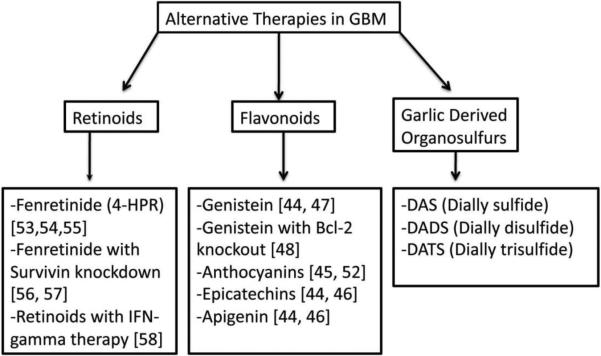
Glioblastoma multiforme (GBM) is recognized as the most common and lethal form of central nervous system cancer. Currently used surgical techniques, chemotherapeutic agents, and radiotherapy strategies have done very little in extending the life expectancies of patients diagnosed with GBM. The difficulty in treating this malignant disease lies both in its inherent complexity and numerous mechanisms of drug resistance. In this review, we summarize several of the primary mechanisms of drug resistance. We reviewed available published literature in the English language regarding drug resistance in glioblastoma. The reasons for drug resistance in glioblastoma include drug efflux, hypoxic areas of tumor cells, cancer stem cells, DNA damage repair, and miRNAs. Many potential therapies target these mechanisms, including a series of investigated alternative and plant-derived agents. Future research and clinical trials in glioblastoma patients should pursue combination of therapies to help combat drug resistance. The emerging new data on the potential of plant-derived therapeutics should also be closely considered and further investigated.
Figures
References
-
- Nicholas MK, Lukas RV, Chmura S, Yamini B, Lesniak M, Pytel P. Molecular heterogeneity in glioblastoma: therapeutic opportunities and challenges. Semin Oncol. 2011;38(2):243–253. - PubMed
-
- Weller M. Novel diagnostic and therapeutic approaches to malignant glioma. Swiss Med Wkly. 2011;141:w13210. - PubMed
-
- Stupp R, Hegi ME, Mason WP, van den Bent MJ, Taphoorn MJ, Janzer RC, Ludwin SK, Allgeier A, Fisher B, Belanger K, Hau P, Brandes AA, Gijtenbeek J, Marosi C, Vecht CJ, Mokhtari K, Wesseling P, Villa S, Eisenhauer E, Gorlia T, Weller M, Lacombe D, Cairncross JG, Mirimanoff RO. Effects of radiotherapy with concomitant and adjuvant temozolomide versus radiotherapy alone on survival in glioblastoma in a randomised phase III study: 5-year analysis of the EORTC-NCIC trial. Lancet Oncol. 2009;10(5):459–466. - PubMed
-
- Goldie JH. Drug resistance in cancer: a perspective. Cancer Metastasis Rev. 2001;20(1-2):63–68. - PubMed
-
- Molnar J, Engi H, Hohmann J, Molnar P, Deli J, Wesolowska O, Michalak K, Wang Q. Reversal of multidrug resitance by natural substances from plants. Curr Top Med Chem. 2010;10(17):1757–1768. - PubMed
Publication types
MeSH terms
Substances
Grants and funding
LinkOut - more resources
Full Text Sources
Medical
Research Materials
