


Ocimum sanctum Linn. A reservoir plant for therapeutic applications: An overview
- PMID: 22228948
- PMCID: PMC3249909
- DOI: 10.4103/0973-7847.65323
Ocimum sanctum Linn. A reservoir plant for therapeutic applications: An overview
Abstract
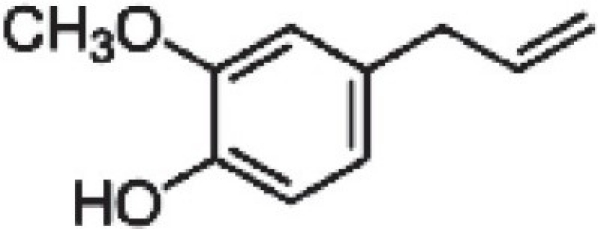
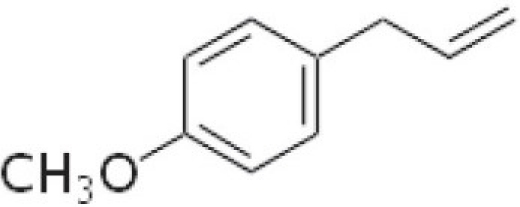
The medicinal plants are widely used by the traditional medicinal practitioners for curing various diseases in their day to day practice. In traditional system of medicine, different parts (leaves, stem, flower, root, seeds and even whole plant) of Ocimum sanctum Linn. have been recommended for the treatment of bronchitis, malaria, diarrhea, dysentery, skin disease, arthritis, eye diseases, insect bites and so on. The O. sanctum L. has also been suggested to possess anti-fertility, anticancer, antidiabetic, antifungal, antimicrobial, cardioprotective, analgesic, antispasmodic and adaptogenic actions. Eugenol (1-hydroxy-2-methoxy-4-allylbenzene), the active constituents present in O. sanctum L. have been found to be largely responsible for the therapeutic potentials. The pharmacological studies reported in the present review confirm the therapeutic value of O. sanctum L. The results of the above studies support the use of this plant for human and animal disease therapy and reinforce the importance of the ethno-botanical approach as a potential source of bioactive substances.
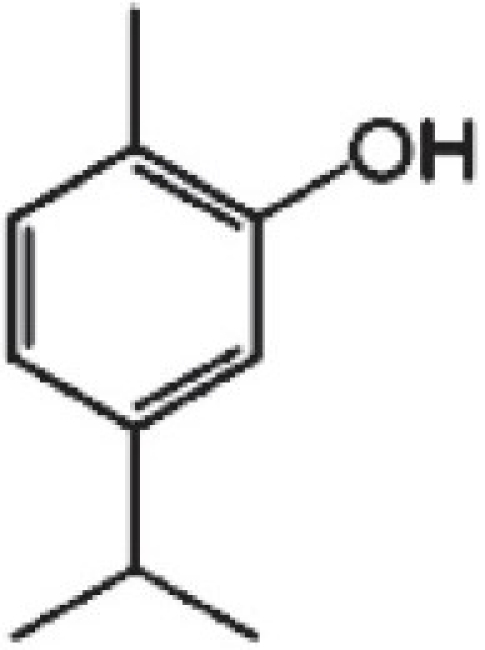
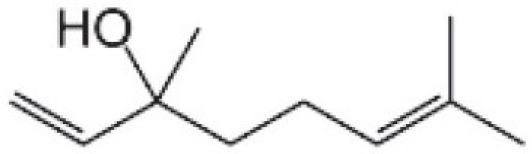
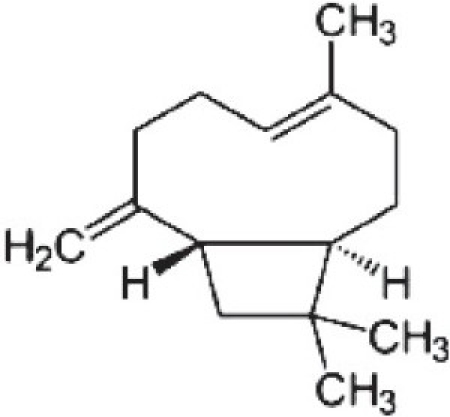
Keywords: Carvacrol; caryophyllene; eugenol; linalool; urosolic acid.
Conflict of interest statement
Figures
References
-
- Gordon MC, David JN. Naturan product drug discovery in the next millennium. Pharm Boil. 2001;39:8–17. - PubMed
-
- Wink M. Introduction Biochemistry, role and biotechnology of secondary products. In: Wink M, editor. Biochemistry of Secondary product Metabolism. Florida: CRC press, Boca Raton; 2000. pp. 1–16.
-
- Cor JS, Beach JF, Blair A, Clark AJ, King J, Lee TB, et al. Disodium chromoglycate. Adv Drug Res. 1970;5:190–6. - PubMed
-
- Warrier PK. In: Indian Medicinal Plants. Longman O, editor. New Delhi: CBS publication; 1995. p. 168.
-
- Biswas NP, Biswas AK. Evaluation of some leaf dusts as grain protectant against rice weevil Sitophilus oryzae (Linn.) Environ Ecol. 2005;23:485–8.
LinkOut - more resources
Full Text Sources
Other Literature Sources
Medical