


Current knowledge and future direction of research on soy isoflavones as a therapeutic agents
- PMID: 22228950
- PMCID: PMC3249910
- DOI: 10.4103/0973-7847.70900
Current knowledge and future direction of research on soy isoflavones as a therapeutic agents
Abstract
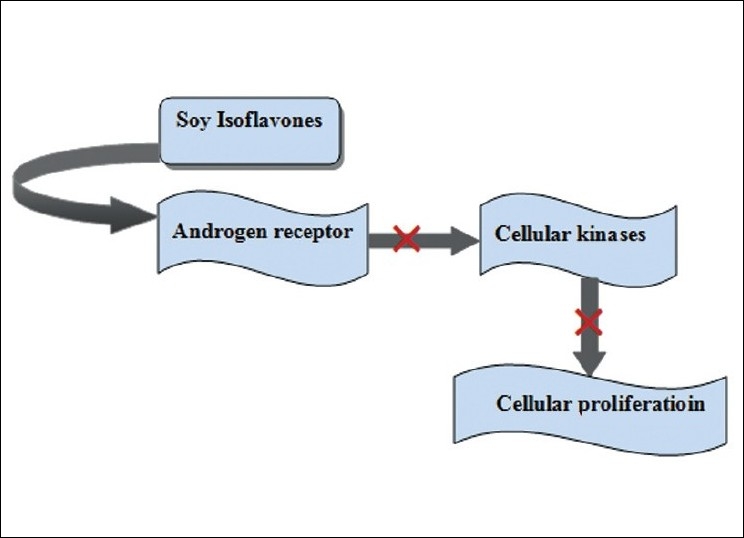
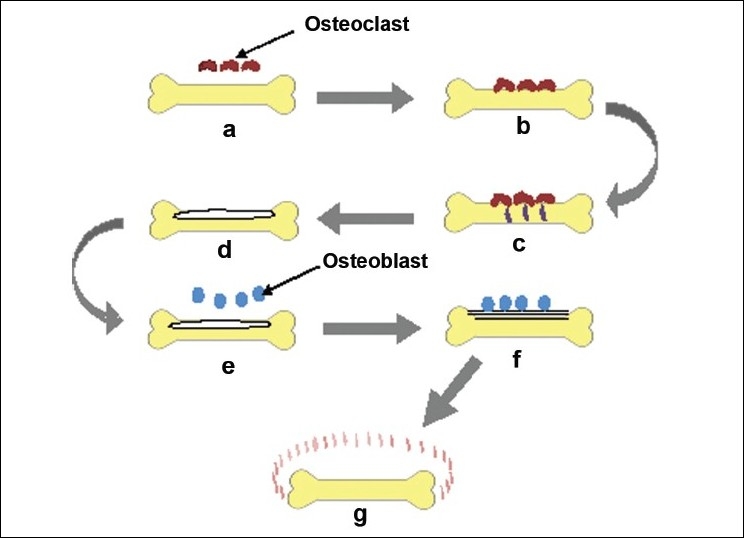
Isoflavones, the most abundant phytoestrogens in Soy beans, are structurally similar to 17beta-estradiol. The antioxidant property of the soy isoflavones, namely, genistein and daidzein is well established in different experimental models and also in clinical studies. The compounds have been found effective in the management of diabetes by acting on peroxisome proliferator-activated receptors. It reduces the risk of coronary heart disease by reducing the level of low-density lipoprotein and triglycerides. Soy isoflavones have the potential in the treatment of osteoporosis to act on osteoclasts further to inhibit tyrosine kinase. Among the soy isoflavones, genistein is the potential compound found effective in the treatment of cancer by acting on androgen receptor further to inhibit tyrosine kinases. In this article, various aspects of the diverse biological activities of soy isoflavones and their potential clinical implications with mechanism of action, especially in the treatment and prevention of diabetes, cardiovascular diseases, cancer, osteoporosis, neuroprotection, and also future area of research on soy isoflavones are reviewed and discussed.
Keywords: Antioxidant; daidzein; genistein; isoflavones; neuroprotection; osteoporosis; soy beans.
Conflict of interest statement
Figures
References
-
- Tuladhar B. Comparative study of fish yields with plant protein sources and fish meal. Our Nat. 2003;1:26–9.
-
- Stürtz M, Lander V, Schmid W, Winterhalter P. Quantitative Determination of Isoflavones in Soy Based Nutritional Supplements by High-Performance Liquid Chromatography. Journal for Consumer Protection and Food Safety. 2008;3:127–36.
-
- Polkowski K, Mazurek AP. Biological properties of genistein. A review of in vitro and in vivo data. Acta Pol Pharm. 2000;57:135–55. - PubMed
-
- Donovan UM, Gibson RS. Dietary intakes of adolescent females consuming vegetarian, semi-vegetarian and omnivorous diets. J Adolesc Health. 1996;18:292–300. - PubMed
-
- Ridout CL, Wharf G, Price KR, Johnson LT, Fenwick GR. UK means daily intakes of saponins-intestine permeabilizing factors in legumes. Food Sci Nutr. 1988;42F:111–6.
LinkOut - more resources
Full Text Sources