Bed bugs: clinical relevance and control options
- PMID: 22232375
- PMCID: PMC3255965
- DOI: 10.1128/CMR.05015-11
Bed bugs: clinical relevance and control options
Abstract
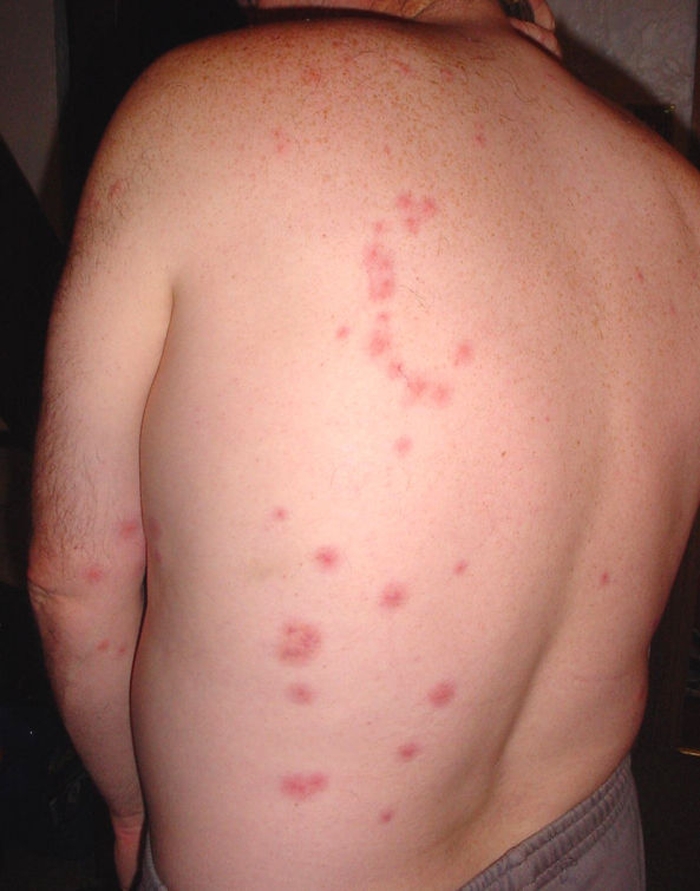
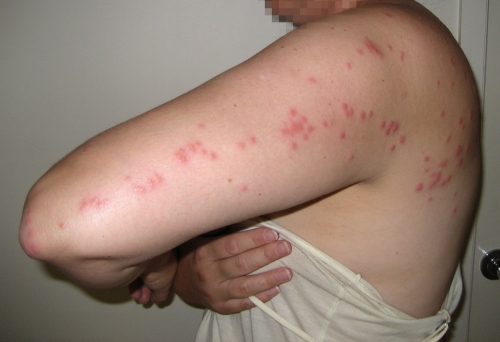
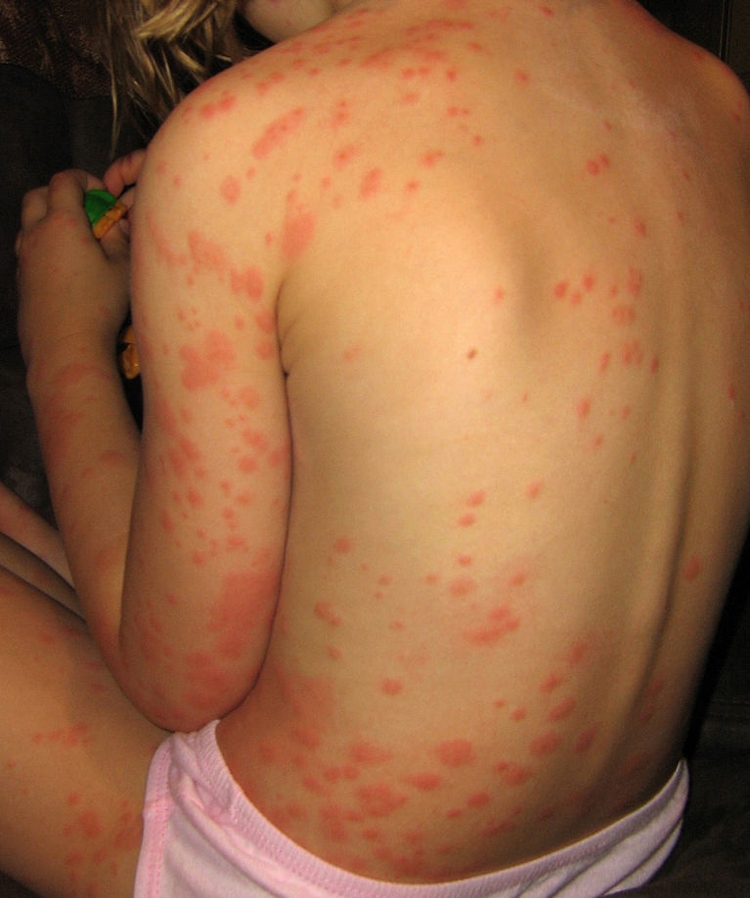
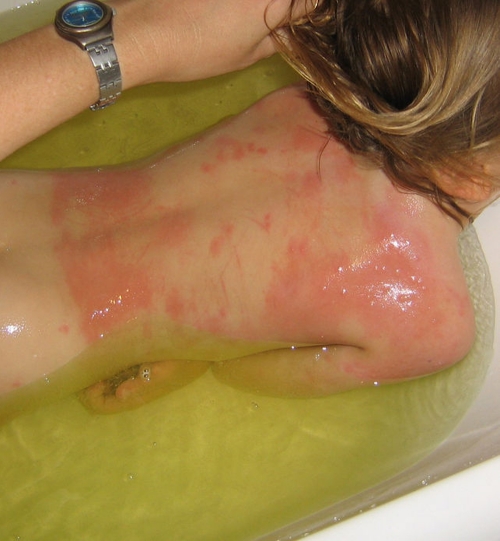
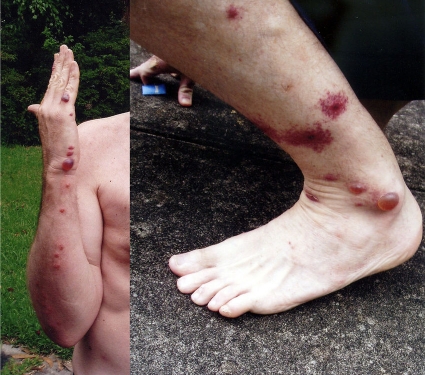
Since the late 1990s, bed bugs of the species Cimex lectularius and Cimex hemipterus have undergone a worldwide resurgence. These bed bugs are blood-sucking insects that readily bite humans. Cutaneous reactions may occur and can start out as small macular lesions that can develop into distinctive wheals of around 5 cm in diameter, which are accompanied by intense itching. Occasionally, bullous eruptions may result. If bed bugs are numerous, the patient can present with widespread urticaria or eythematous rashes. Often, bites occur in lines along the limbs. Over 40 pathogens have been detected in bed bugs, but there is no definitive evidence that they transmit any disease-causing organisms to humans. Anemia may result when bed bugs are numerous, and their allergens can trigger asthmatic reactions. The misuse of chemicals and other technologies for controlling bed bugs has the potential to have a deleterious impact on human health, while the insect itself can be the cause of significant psychological trauma. The control of bed bugs is challenging and should encompass a multidisciplinary approach utilizing nonchemical means of control and the judicious use of insecticides. For accommodation providers, risk management procedures should be implemented to reduce the potential of bed bug infestations.
Figures




References
-
- Abdel-Nasar MB, Lotfy RA, Al-Sherbiny MM, Ali NMS. 2006. Patients with papular urticaria have IgG antibodies to bedbug (Cimex lectularius) antigens. Parasitol. Res. 98: 550–556 - PubMed
-
- Abou Gamra ESM, El-Shayed FA, Morsy TA, Hussein HM, Shehata ESZ. 1991. The relation between Cimex lectularius antigen and bronchial asthma in Egypt. J. Egypt. Soc. Parasitol. 21: 735–746 - PubMed
-
- ABS 2008. Housing occupancy and costs, 2007–08. Australian Bureau of Statistics, Canberra, Australia: http://www.ausstats.abs.gov.au/Ausstats/subscriber.nsf/0/0182E400E70CD78...
-
- Amara S, Anuradha A, Silverman B, Schneider AT. 2007. Resurgence of bedbug bites misdiagnosed as allergic skin rashes in inner-city population. Ann. Allergy Asthma Immunol. 98(Suppl. 1): A86
-
- Anders D, Bröker E-B, Hamm H. 2010. Cimex lectularius—an unwelcome train attendant. Eur. J. Dermatol. 20: 239–240 - PubMed
Publication types
MeSH terms
LinkOut - more resources
Full Text Sources
Medical