


Diabetes augments and inhaled nitric oxide prevents the adverse hemodynamic effects of transfusing syngeneic stored blood in mice
- PMID: 22233290
- PMCID: PMC3794463
- DOI: 10.1111/j.1537-2995.2011.03473.x
Diabetes augments and inhaled nitric oxide prevents the adverse hemodynamic effects of transfusing syngeneic stored blood in mice
Abstract
Background: Stored red blood cells (RBCs) undergo progressive deleterious functional, biochemical, and structural changes. The mechanisms responsible for the adverse effects of transfusing stored RBCs remain incompletely elucidated.
Study design and methods: Awake wild-type (WT) mice, WT mice fed a high-fat diet (HFD-fed WT) for 4 to 6 weeks, and diabetic (db/db) mice were transfused with syngeneic leukoreduced RBCs or supernatant with or without oxidation (10% of total blood volume) after storage for not more than 24 hours (FRBCs) or 2 weeks (SRBCs). Inhaled nitric oxide (NO) at 80 parts per million was administered to a group of mice transfused with SRBCs. Blood and tissue samples were collected 2 hours after transfusion to measure iron and cytokine levels.
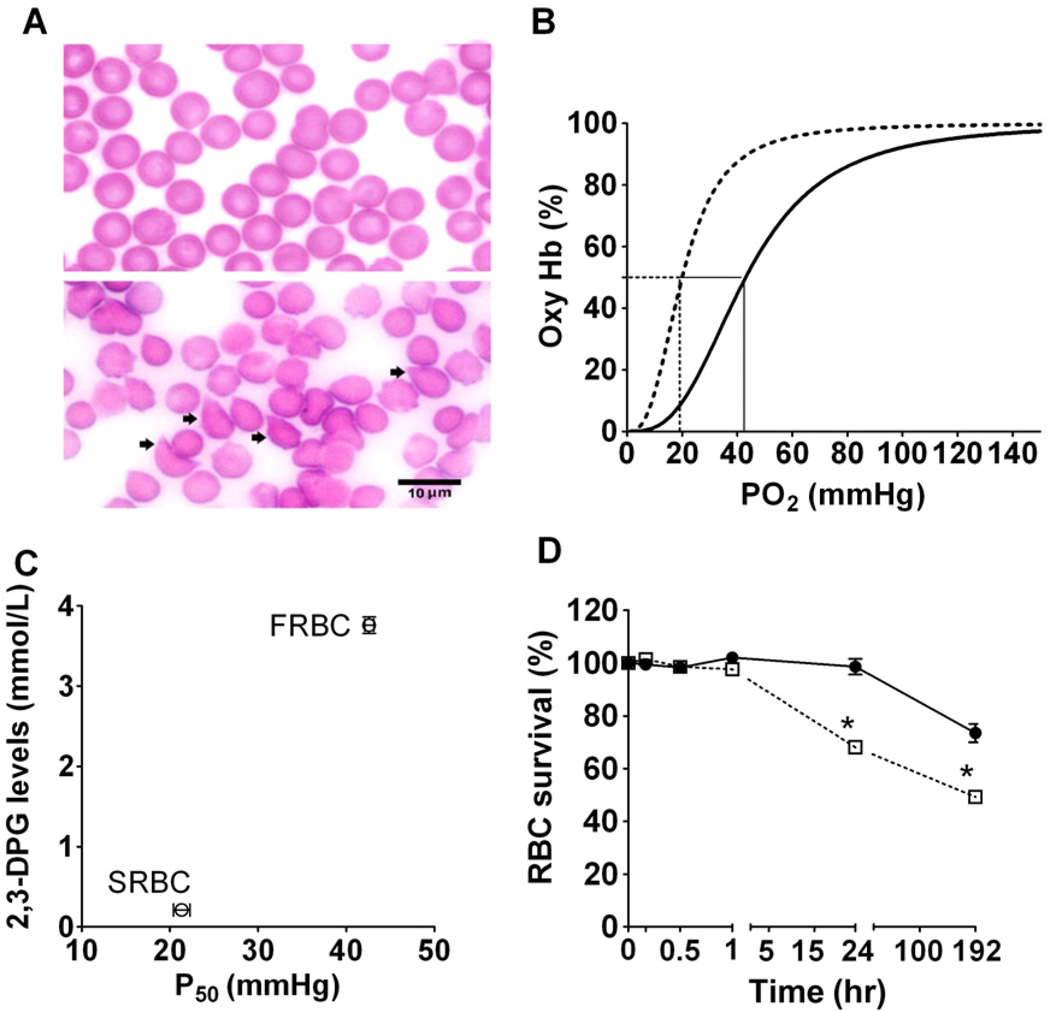
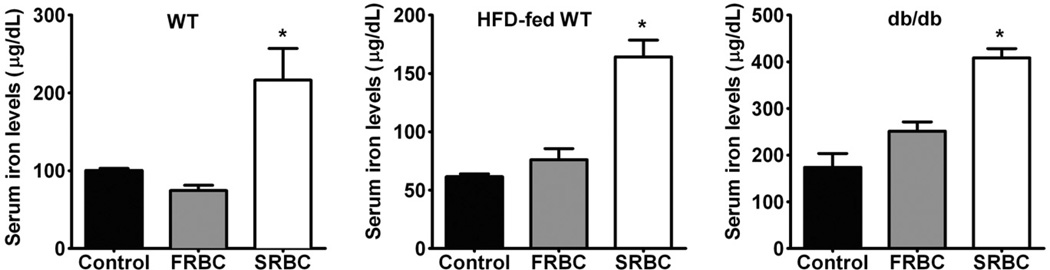
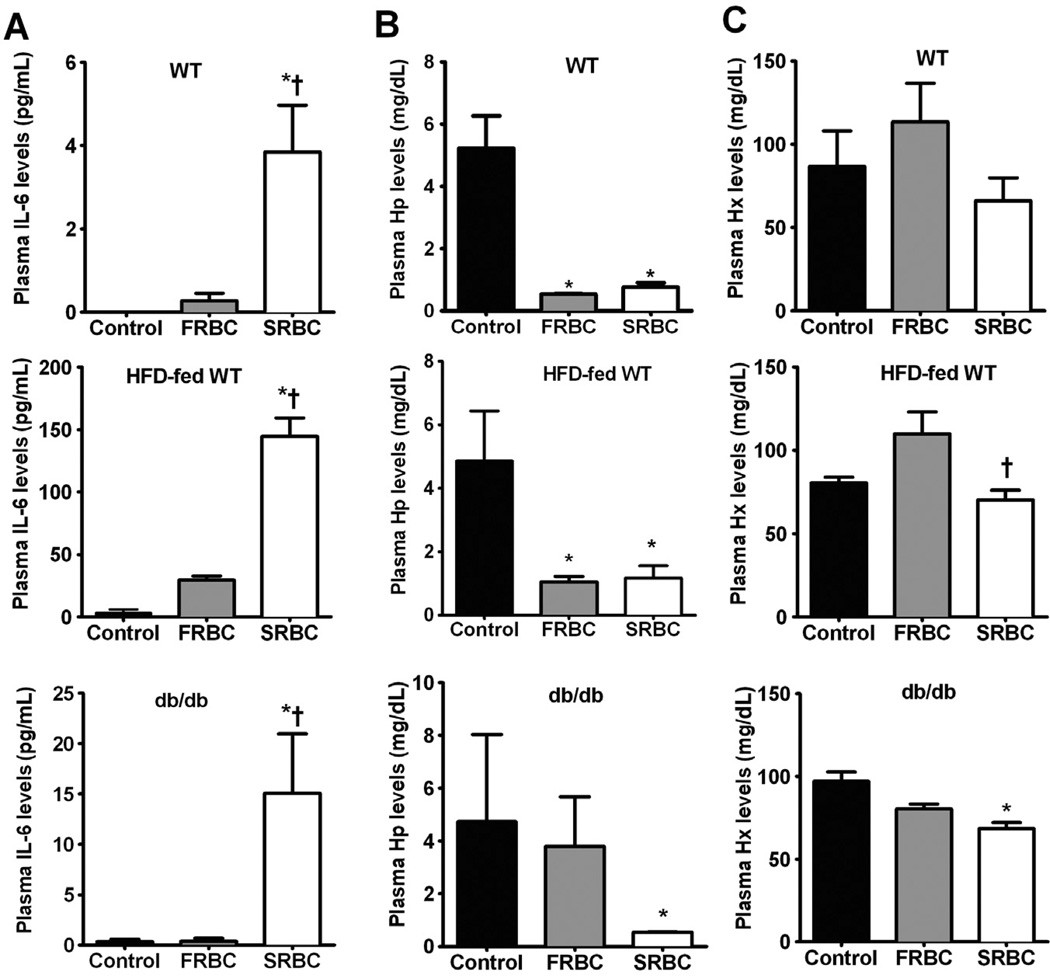
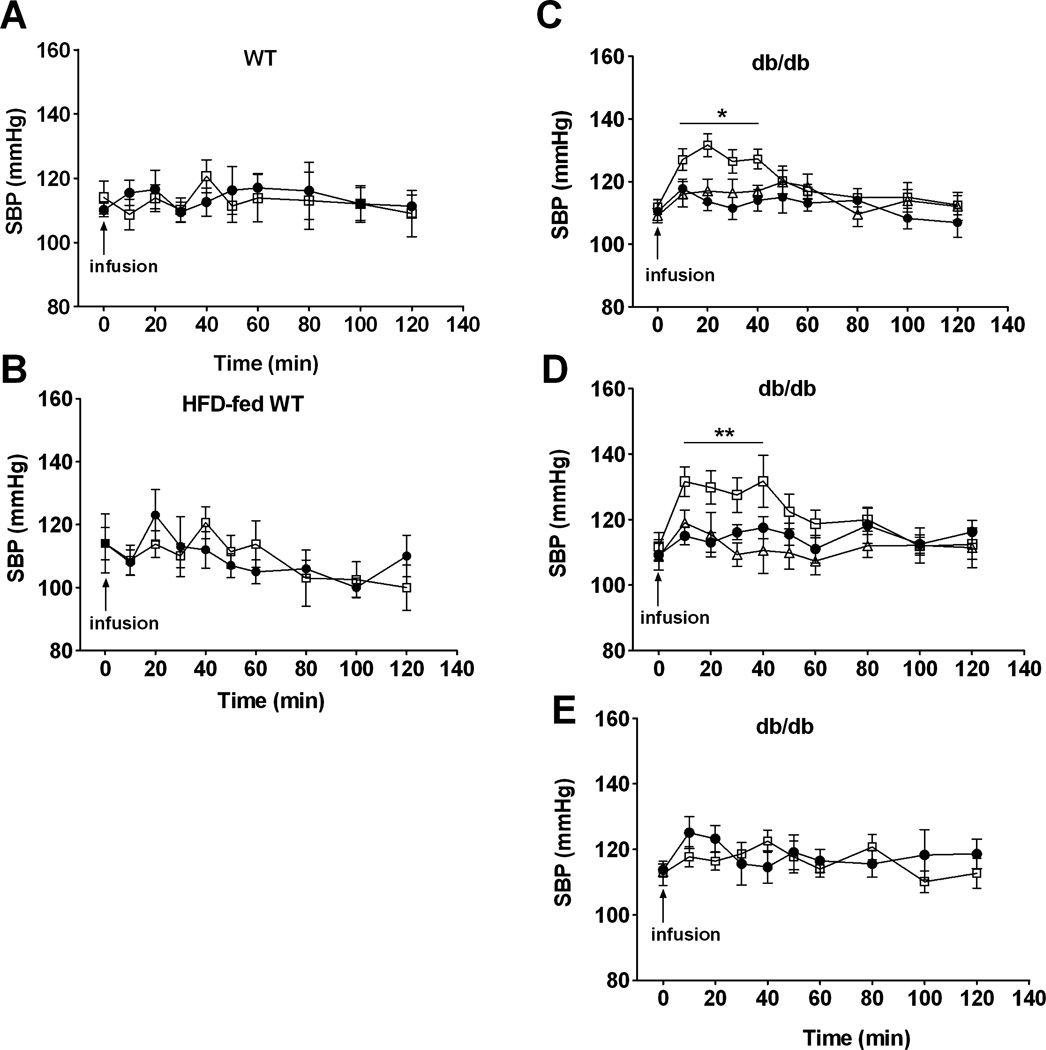
Results: SRBCs had altered RBC morphology and a reduced P(50) . Transfusion of SRBCs into WT or HFD-fed WT mice did not produce systemic hemodynamic changes. In contrast, transfusion of SRBCs or supernatant from SRBCs into db/db mice induced systemic hypertension that was prevented by concurrent inhalation of NO. Infusion of washed SRBCs or oxidized SRBC supernatant into db/db mice did not induce hypertension. Two hours after SRBC transfusion, plasma hemoglobin (Hb), interleukin-6, and serum iron levels were increased.
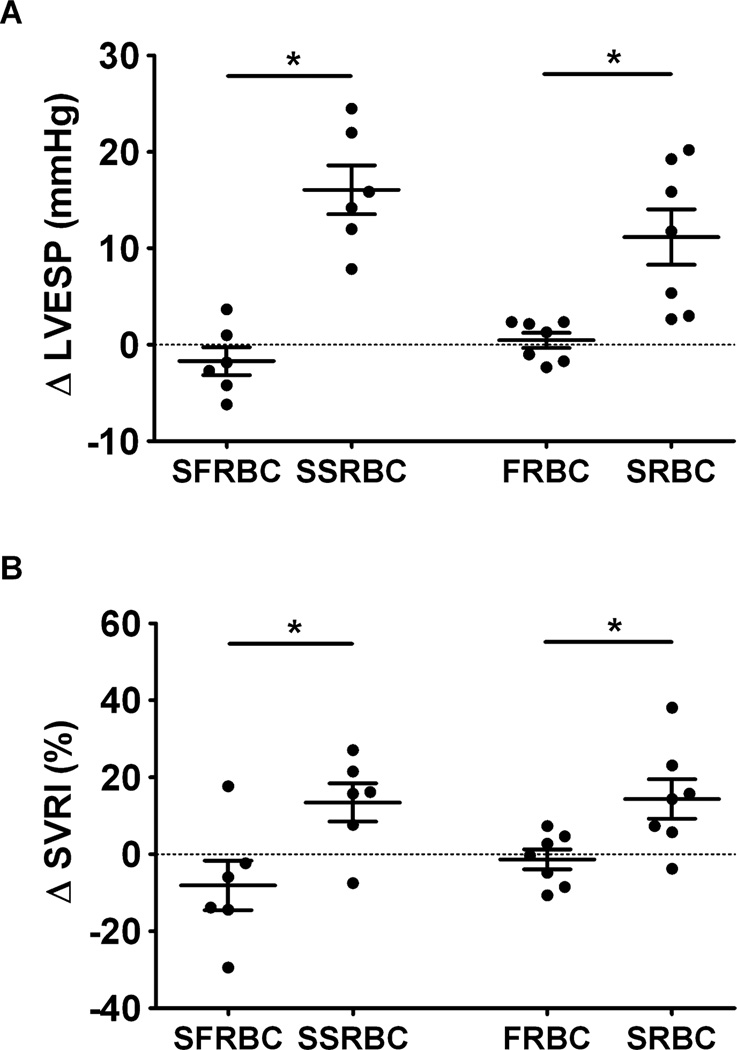
Conclusion: Transfusion of syngeneic SRBCs or the supernatant from SRBCs produces systemic hypertension and vasoconstriction in db/db mice. It is likely that RBC storage, by causing in vitro hemolysis and posttransfusion hemoglobinemia, produces sustained NO scavenging and vasoconstriction in mice with endothelial dysfunction. Vasoconstriction is prevented by oxidizing the supernatant of SRBCs or breathing NO during SRBC transfusion.
© 2012 American Association of Blood Banks.
Conflict of interest statement
WMZ receives royalties from patents on inhaled nitric oxide licensed by Massachusetts General Hospital to Linde Corp., Munich, Germany, and Ikaria, Inc., Clinton, NJ. KDB has received grants from Ikaria, Inc., to study inhaled nitric oxide. WMZ and BY have applied for patents on inhaled nitric oxide and blood transfusion. The remaining authors report no conflicts of interest.
Figures
Comment in
-
Nitric oxide, hemolysis, and the red blood cell storage lesion: interactions between transfusion, donor, and recipient.Transfusion. 2012 Jul;52(7):1388-92. doi: 10.1111/j.1537-2995.2012.03748.x. Transfusion. 2012. PMID: 22780890 Free PMC article. No abstract available.
References
-
- Klein HG, Spahn DR, Carson JL. Red blood cell transfusion in clinical practice. Lancet. 2007;370:415–426. - PubMed
-
- Triulzi DJ, Yazer MH. Clinical studies of the effect of blood storage on patient outcomes. Transfus Apher Sci. 2010;43:95–106. - PubMed
-
- Dumont LJ, AuBuchon JP. Evaluation of proposed FDA criteria for the evaluation of radiolabeled red cell recovery trials. Transfusion. 2008;48:1053–1060. - PubMed
-
- Vamvakas EC, Carven JH. Transfusion and postoperative pneumonia in coronary artery bypass graft surgery: effect of the length of storage of transfused red cells. Transfusion. 1999;39:701–710. - PubMed
Publication types
MeSH terms
Substances
Grants and funding
LinkOut - more resources
Full Text Sources
Other Literature Sources
Research Materials
Miscellaneous
