


Biodiversity in Oscypek, a traditional Polish cheese, determined by culture-dependent and -independent approaches
- PMID: 22247135
- PMCID: PMC3298175
- DOI: 10.1128/AEM.06081-11
Biodiversity in Oscypek, a traditional Polish cheese, determined by culture-dependent and -independent approaches
Abstract
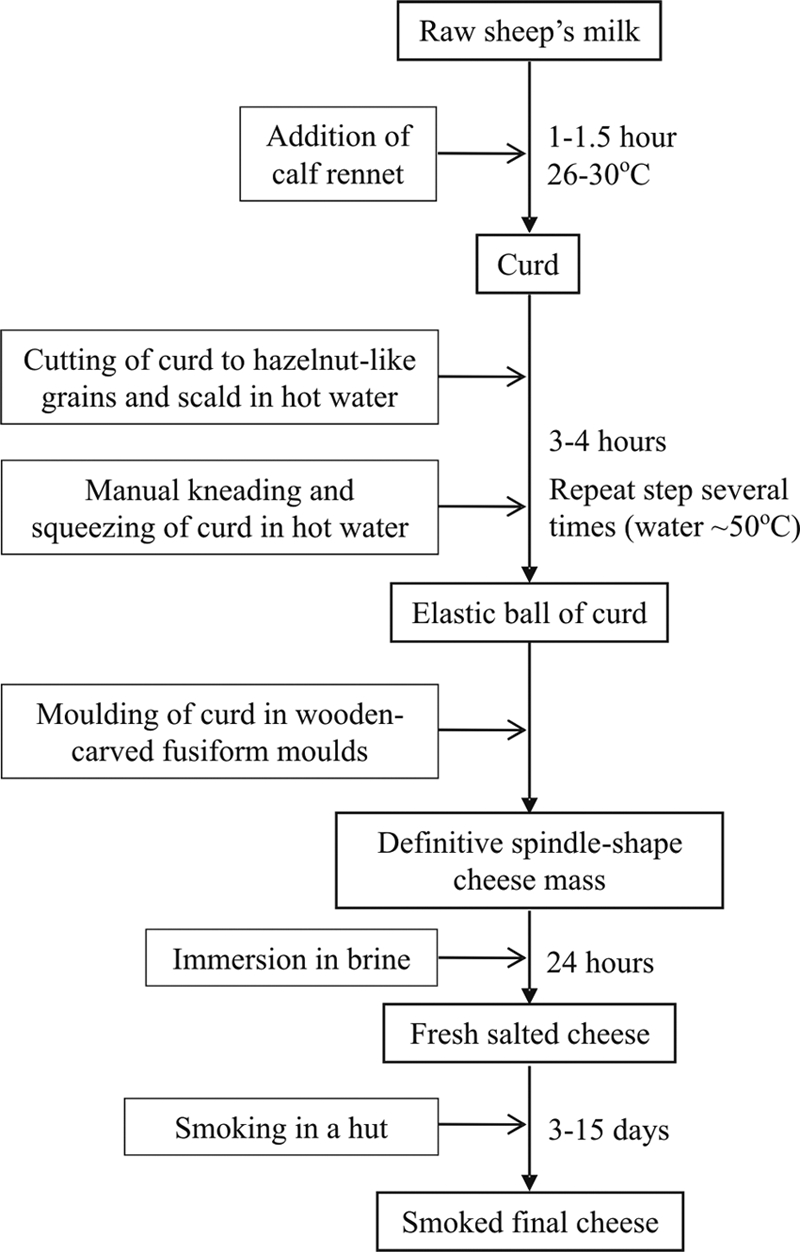
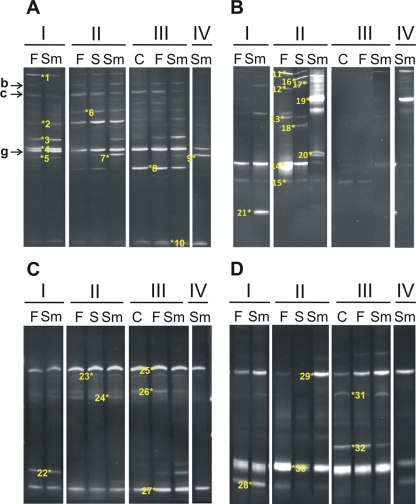
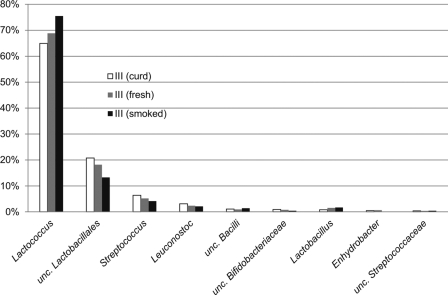
Oscypek is a traditional Polish scalded-smoked cheese, with a protected-designation-of-origin (PDO) status, manufactured from raw sheep's milk without starter cultures in the Tatra Mountains region of Poland. This study was undertaken in order to gain insight into the microbiota that develops and evolves during the manufacture and ripening stages of Oscypek. To this end, we made use of both culturing and the culture-independent methods of PCR followed by denaturing gradient gel electrophoresis (PCR-DGGE) and pyrosequencing of 16S rRNA gene amplicons. The culture-dependent technique and PCR-DGGE fingerprinting detected the predominant microorganisms in traditional Oscypek, whereas the next-generation sequencing technique (454 pyrosequencing) revealed greater bacterial diversity. Besides members of the most abundant bacterial genera in dairy products, e.g., Lactococcus, Lactobacillus, Leuconostoc, Streptococcus, and Enterococcus, identified by all three methods, other, subdominant bacteria belonging to the families Bifidobacteriaceae and Moraxellaceae (mostly Enhydrobacter), as well as various minor bacteria, were identified by pyrosequencing. The presence of bifidobacterial sequences in a cheese system is reported for the first time. In addition to bacteria, a great diversity of yeast species was demonstrated in Oscypek by the PCR-DGGE method. Culturing methods enabled the determination of a number of viable microorganisms from different microbial groups and their isolation for potential future applications in specific cheese starter cultures.
Figures
References
-
- Alegría A, Delgado S, Roces C, López B, Mayo B. 2010. Bacteriocins produced by wild Lactococcus lactis strains isolated from traditional, starter-free cheeses made of raw milk. Int. J. Food Microbiol. 143:61–66 - PubMed
-
- Arteau M, Labrie S, Roy D. 2010. Terminal restriction fragment polymorphism and automated ribosomal intergenic spacer analysis profiling of fungal communities in Camembert cheese. Int. Dairy J. 20:545–554
-
- Ayad EHE, Verheul A, de Jong C, Wouters JTM, Smit G. 1999. Flavour forming abilities and amino acid requirements of Lactococcus lactis strains isolated from artisanal and non-dairy origin. Int. Dairy J. 9:725–735
-
- Ayad EHE, Verheul A, Engels WJ, Wouters JT, Smit G. 2001. Enhanced flavour formation by combination of selected lactococci from industrial and artisanal origin with focus on completion of a metabolic pathway. J. Appl. Microbiol. 90:59–67 - PubMed
Publication types
MeSH terms
Substances
LinkOut - more resources
Full Text Sources
