


Improving quality of life in patients with end-stage age-related macular degeneration: focus on miniature ocular implants
- PMID: 22259233
- PMCID: PMC3259097
- DOI: 10.2147/OPTH.S15028
Improving quality of life in patients with end-stage age-related macular degeneration: focus on miniature ocular implants
Abstract
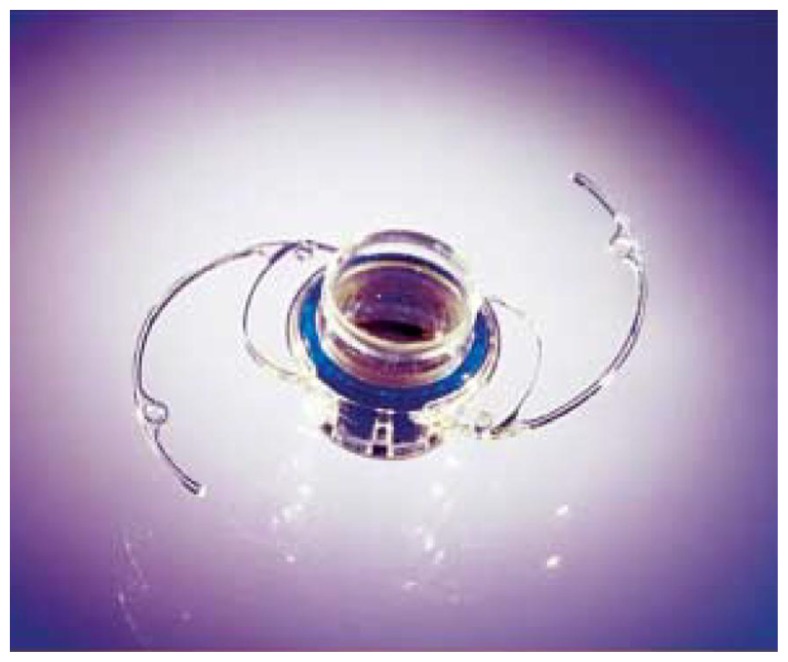
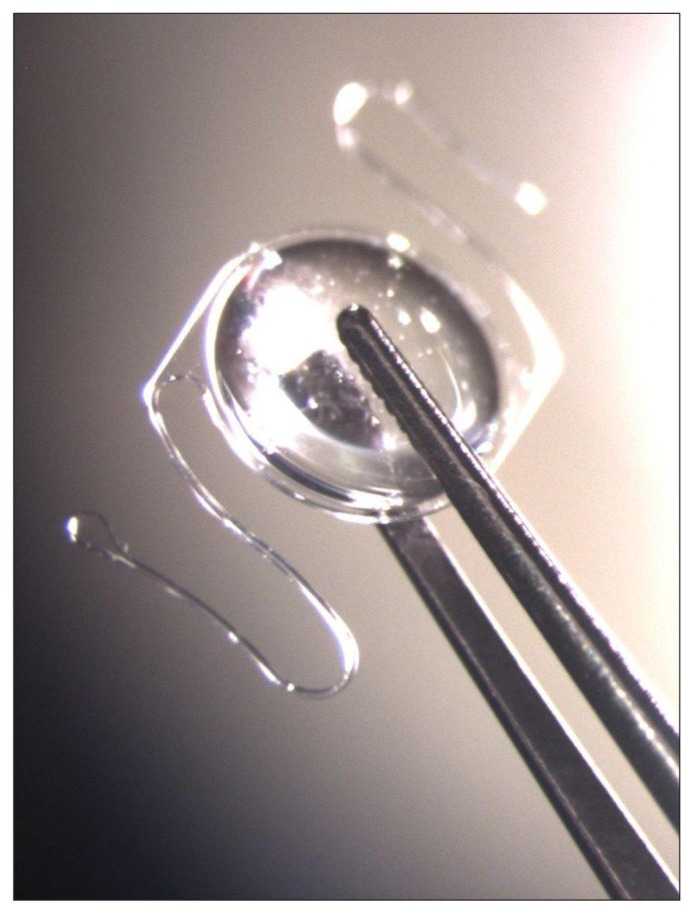
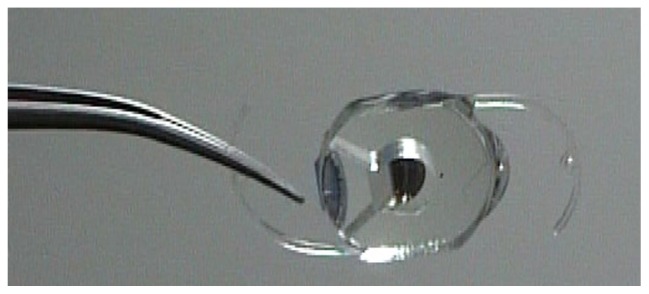
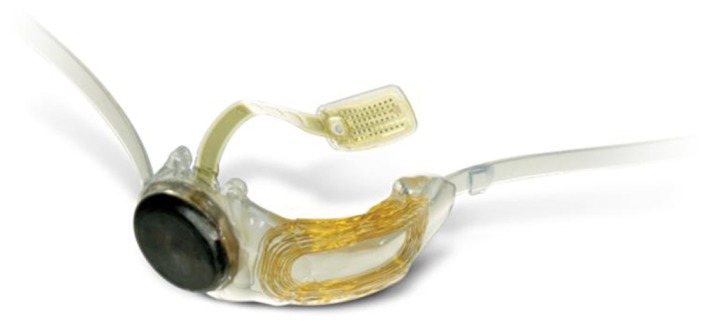
Low vision devices in the past have been mainly extraocular. There are now four new devices in different stages of development and implementation that are currently available. Three of them, the Implantable Miniature Telescope (IMT, VisionCare Ophthalmic Technologies, Saratoga, CA), Intraocular Lens for Visually Impaired People (IOL-VIP, IOL-VIP System, Soleko, Pontecorvo, Italy), and Lipschitz Mirror Implant (LMI, Optolight Vision Technology, Herzlia, Israel) are implanted into the anterior segment while the Argus II (Second Sight Medical Products, Sylmar, CA) is implanted into the posterior segment. The goal of these devices is to increase the patient quality of life which has been measured by Visual Functioning Questionnaire (VFQ) scales. The IMT is the only device that has been shown to increase the VFQ score by seven points at 6 months compared to baseline. It is the only FDA-approved device in the US while the Argus has been approved in Europe. Each of these prosthetics has potential benefits for patients.
Keywords: Argus II; IMT; IOL-VIP; LMI.
Figures
References
-
- Friedman DS, O’Colmain BJ, Munoz B, et al. for the Eye Diseases Prevalence Research Group. Prevalence of age-related macular degeneration in the United States. Arch Ophthalmol. 2004;122(4):564–572. - PubMed
-
- Gohdes DM, Balamurugan A, Larsen BA, Maylahn C. Age related eye diseases: an emerging challenge for public health professionals. [Accessed August 1, 2011];Prev Chronic Dis. 2005 2(3):A17. Available from: http://www.cdc.gov/pcd/issues/2005/jul/04_0121.htm. - PMC - PubMed
-
- Chun DW, Heier JS, Raizman MB. Visual Prosthetic Device for bilateral end-stage macular degeneration. Expert Rev Med Devices. 2005;2(6):657–665. - PubMed
-
- Lopez PF, Sippy BD, Lambert HM, Thach AB, Hinton DR. Transdifferentiated retinal pigment epithelial cells are immunoreactive for vascular endothelial growth factor in surgically excised age related macular degeneration-related choroidal neovascular membranes. Invest Ophthalmol Vis Sci. 1996;37(5):855–868. - PubMed
LinkOut - more resources
Full Text Sources
Miscellaneous
