


GPR30 is necessary for estradiol-induced desensitization of 5-HT1A receptor signaling in the paraventricular nucleus of the rat hypothalamus
- PMID: 22265196
- PMCID: PMC3342396
- DOI: 10.1016/j.psyneuen.2011.12.018
GPR30 is necessary for estradiol-induced desensitization of 5-HT1A receptor signaling in the paraventricular nucleus of the rat hypothalamus
Abstract
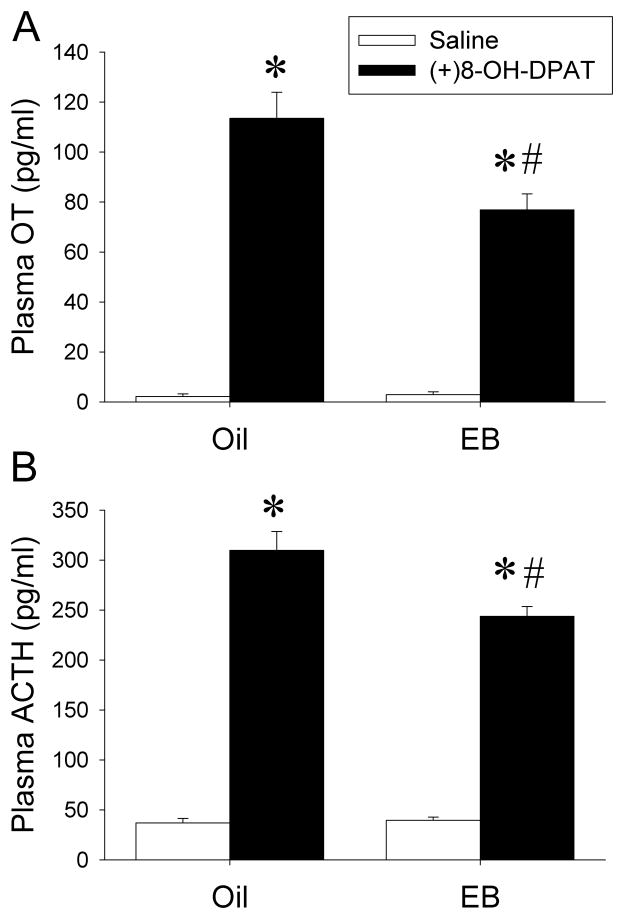
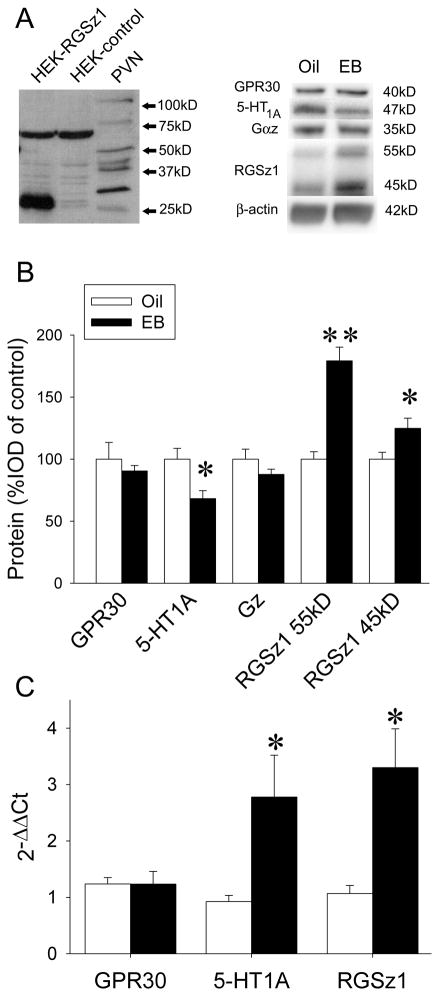
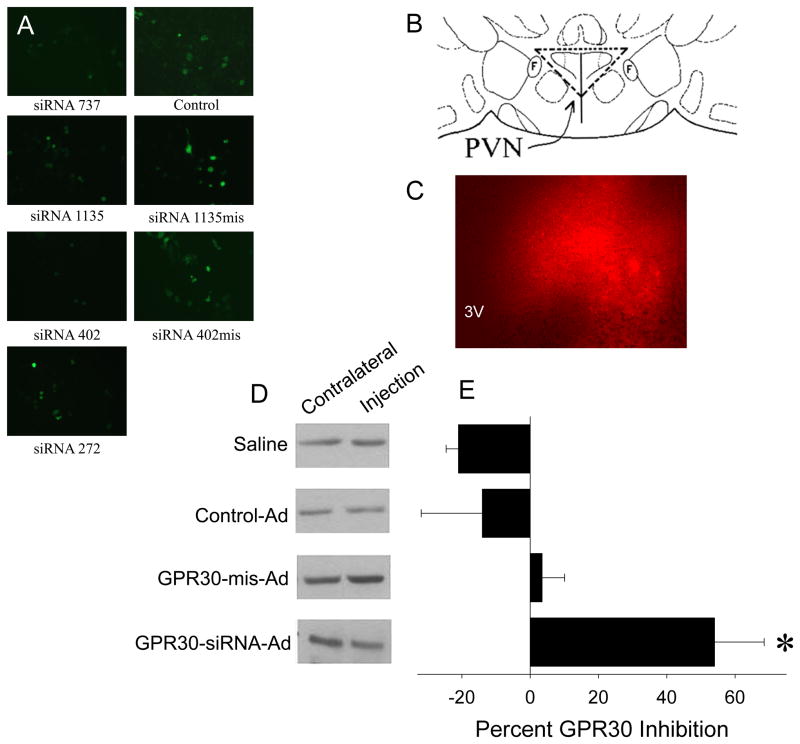
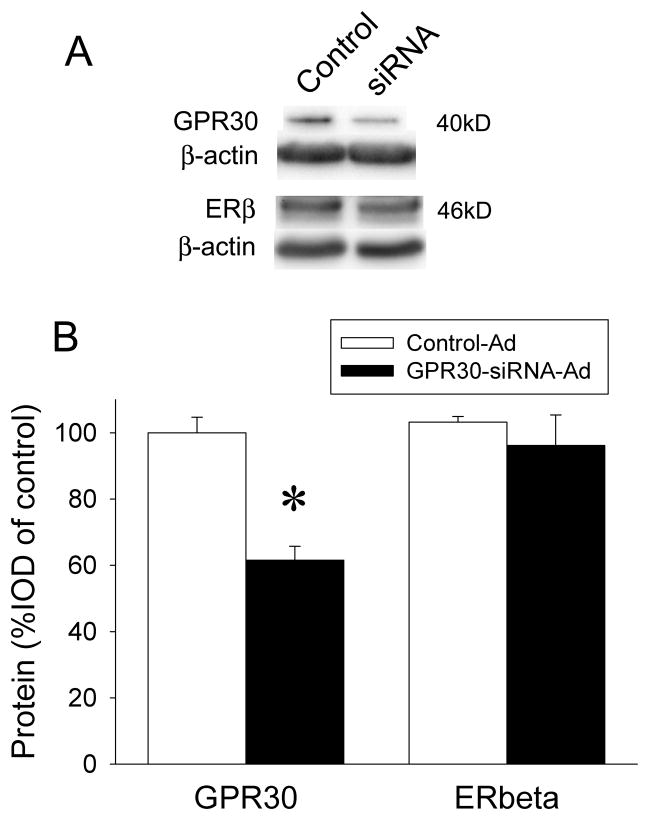
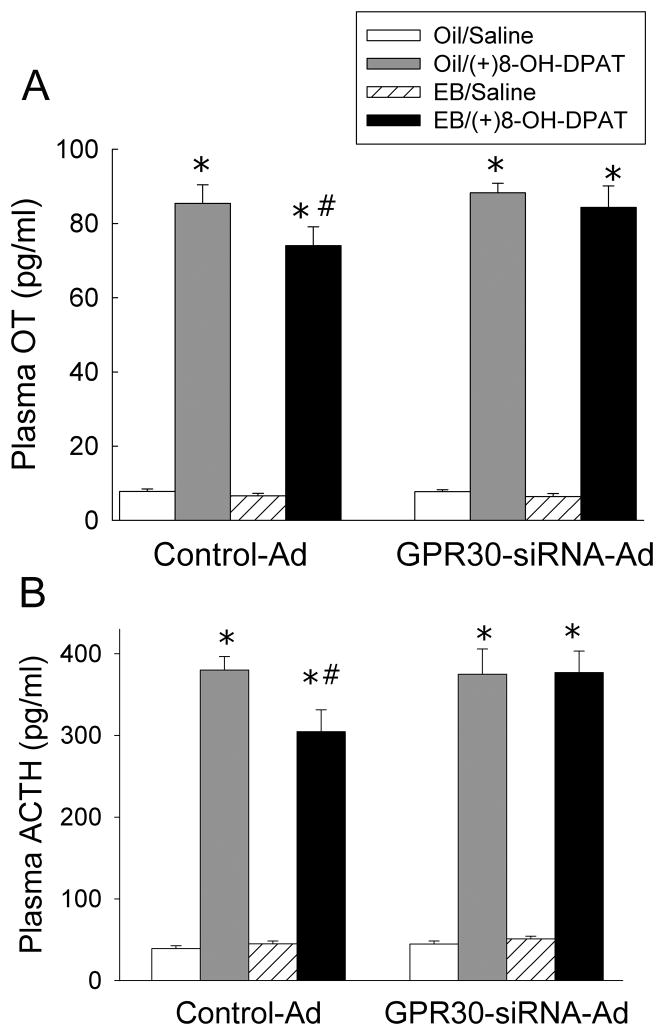
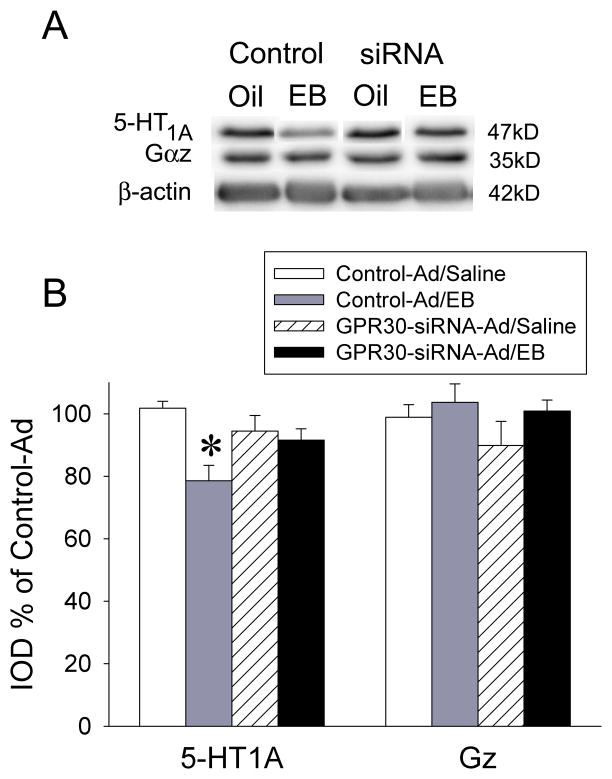
Estrogen therapy used in combination with selective serotonin reuptake inhibitor (SSRI) treatment improves SSRI efficacy for the treatment of mood disorders. Desensitization of serotonin 1A (5-HT(1A)) receptors, which takes one to two weeks to develop in animals, is necessary for SSRI therapeutic efficacy. Estradiol modifies 5-HT(1A) receptor signaling and induces a partial desensitization in the paraventricular nucleus (PVN) of the rat within two days, but the mechanisms underlying this effect are currently unknown. The purpose of this study was to identify the estrogen receptor necessary for estradiol-induced 5-HT(1A) receptor desensitization. We previously showed that estrogen receptor β is not necessary for 5-HT(1A) receptor desensitization and that selective activation of estrogen receptor GPR30 mimics the effects of estradiol in rat PVN. Here, we used a recombinant adenovirus containing GPR30 siRNAs to decrease GPR30 expression in the PVN. Reduction of GPR30 prevented estradiol-induced desensitization of 5-HT(1A) receptor as measured by hormonal responses to the selective 5-HT(1A) receptor agonist, (+)8-OH-DPAT. To determine the possible mechanisms underlying these effects, we investigated protein and mRNA levels of 5-HT(1A) receptor signaling components including 5-HT(1A) receptor, Gαz, and RGSz1. We found that two days of estradiol increased protein and mRNA expression of RGSz1, and decreased 5-HT(1A) receptor protein but increased 5-HT(1A) mRNA; GPR30 knockdown prevented the estradiol-induced changes in 5-HT(1A) receptor protein in the PVN. Taken together, these data demonstrate that GPR30 is necessary for estradiol-induced changes in the 5-HT(1A) receptor signaling pathway and desensitization of 5-HT(1A) receptor signaling.
Copyright © 2012 Elsevier Ltd. All rights reserved.
Conflict of interest statement
None of the authors have any actual or potential financial and other conflicts of interest related to the submitted manuscript. This includes disclosure of all financial considerations (ownership, equity position, stock options, consulting fees, patent rights, employee status and corporate affiliations) associated with any drug, product, process, or commercial laboratory mentioned in the submitted material.
Figures
References
-
- Albanito L, Madeo A, Lappano R, Vivacqua A, Rago V, Carpino A, Oprea TI, Prossnitz ER, Musti AM, Ando S, Maggiolini M. G protein-coupled receptor 30 (GPR30) mediates gene expression changes and growth response to 17beta-estradiol and selective GPR30 ligand G-1 in ovarian cancer cells. Cancer res. 2007;67:1859–1866. - PubMed
-
- Archer DF, Furst K, Tipping D, Dain MP, Vandepol C. A randomized comparison of continuous combined transdermal delivery of estradiol-norethindrone acetate and estradiol alone for menopause. CombiPatch Study Group. Obstet Gynecol. 1999;94:498–503. - PubMed
-
- Arpels JC. The female brain hypoestrogenic continuum from the premenstrual syndrome to menopause. A hypothesis and review of supporting data. J Reprod Med. 1996;41:633–639. - PubMed
Publication types
MeSH terms
Substances
Grants and funding
LinkOut - more resources
Full Text Sources
Molecular Biology Databases
