


Epigenetic repression of cardiac progenitor gene expression by Ezh2 is required for postnatal cardiac homeostasis
- PMID: 22267199
- PMCID: PMC3288669
- DOI: 10.1038/ng.1068
Epigenetic repression of cardiac progenitor gene expression by Ezh2 is required for postnatal cardiac homeostasis
Abstract
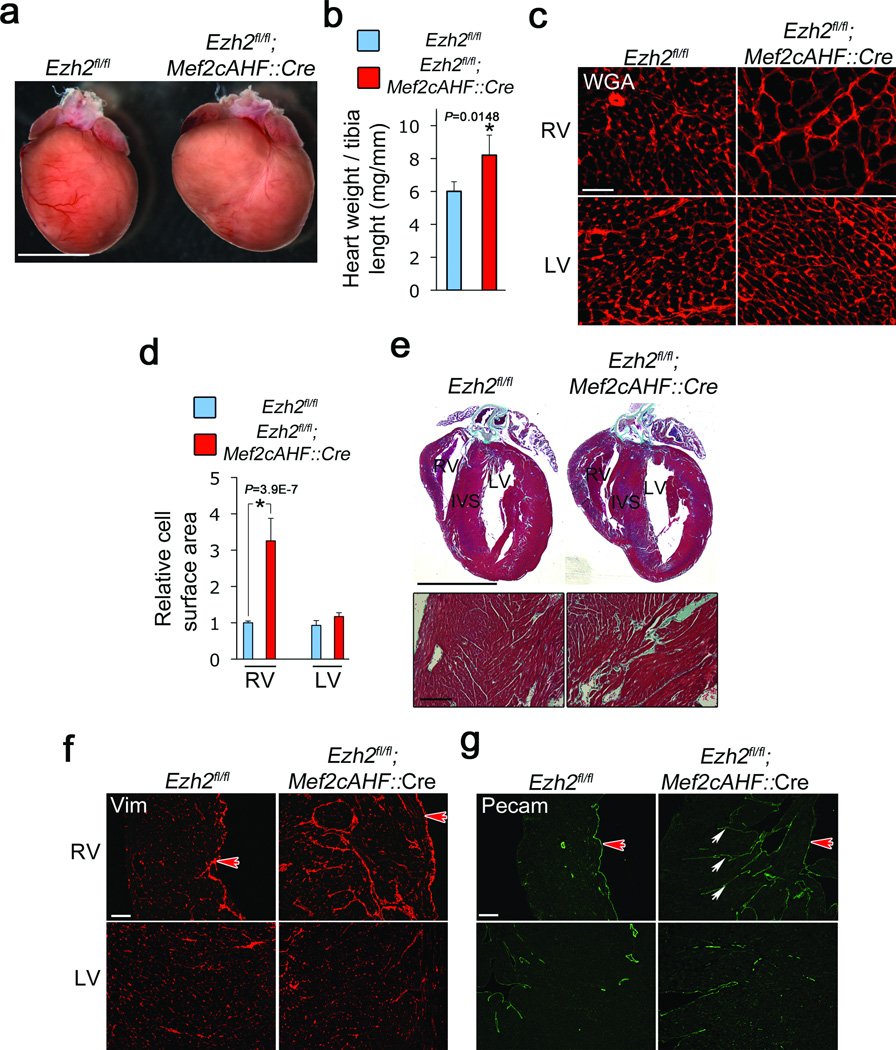
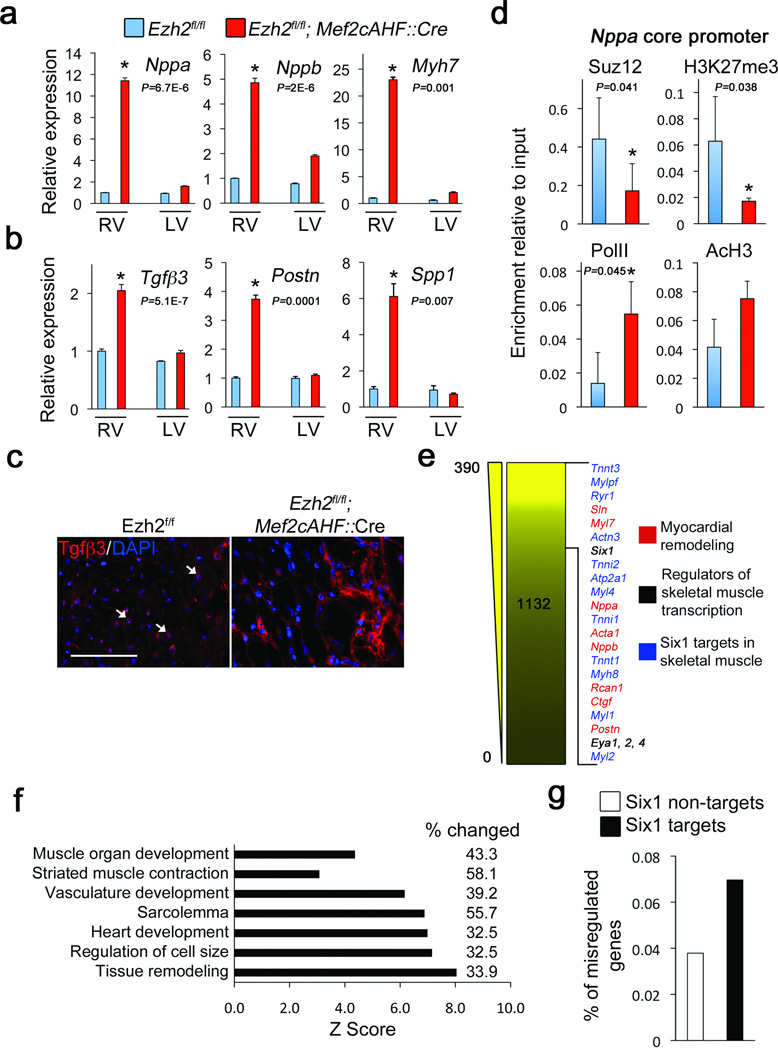
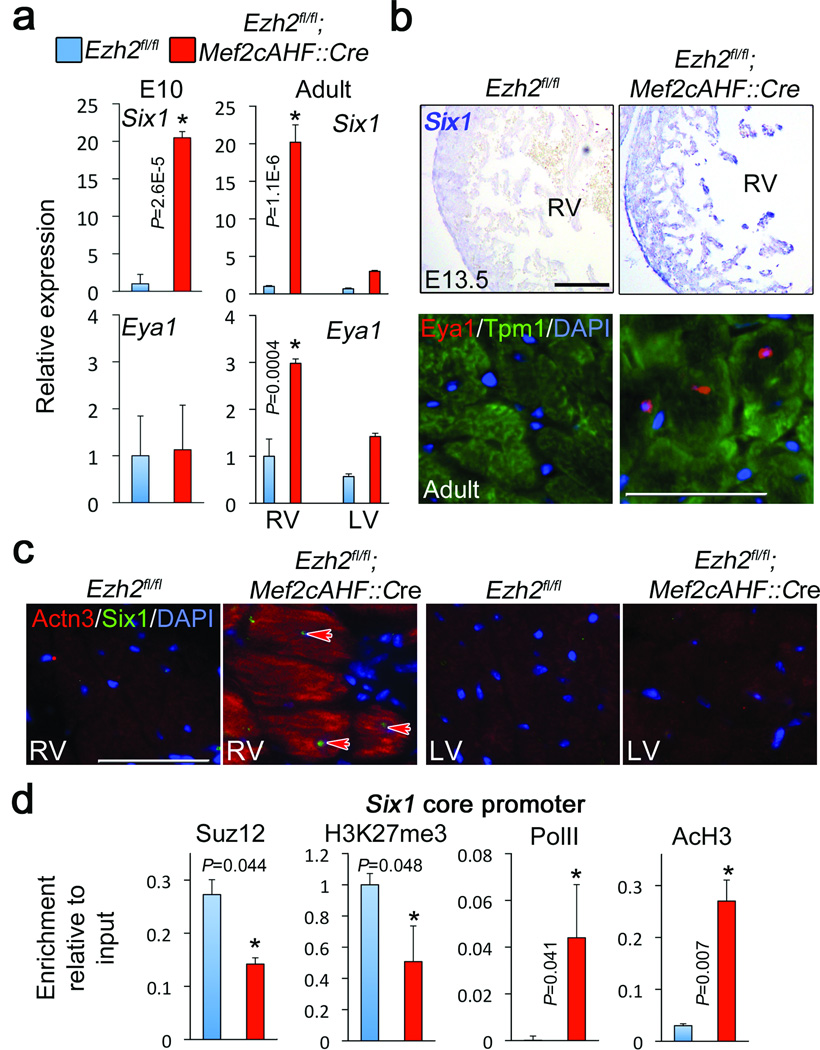
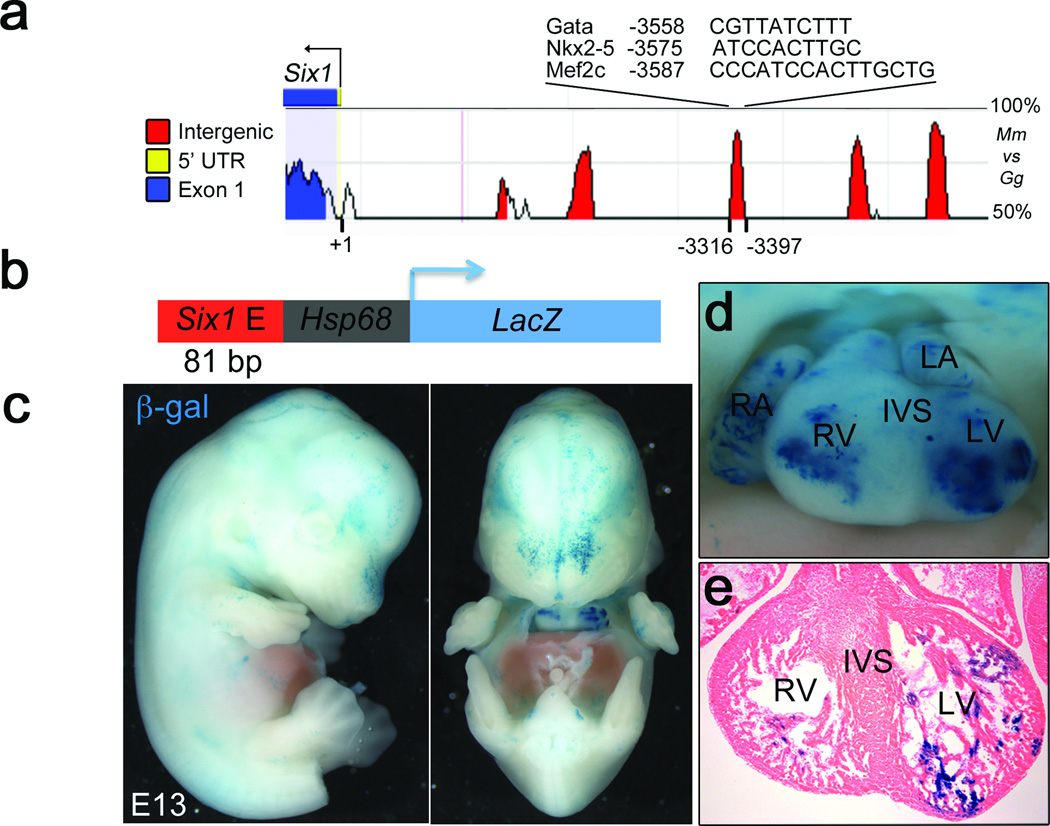
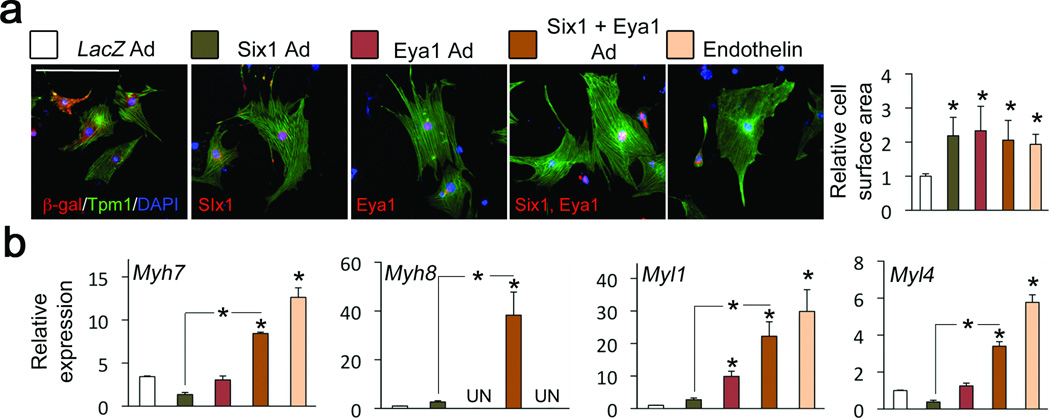
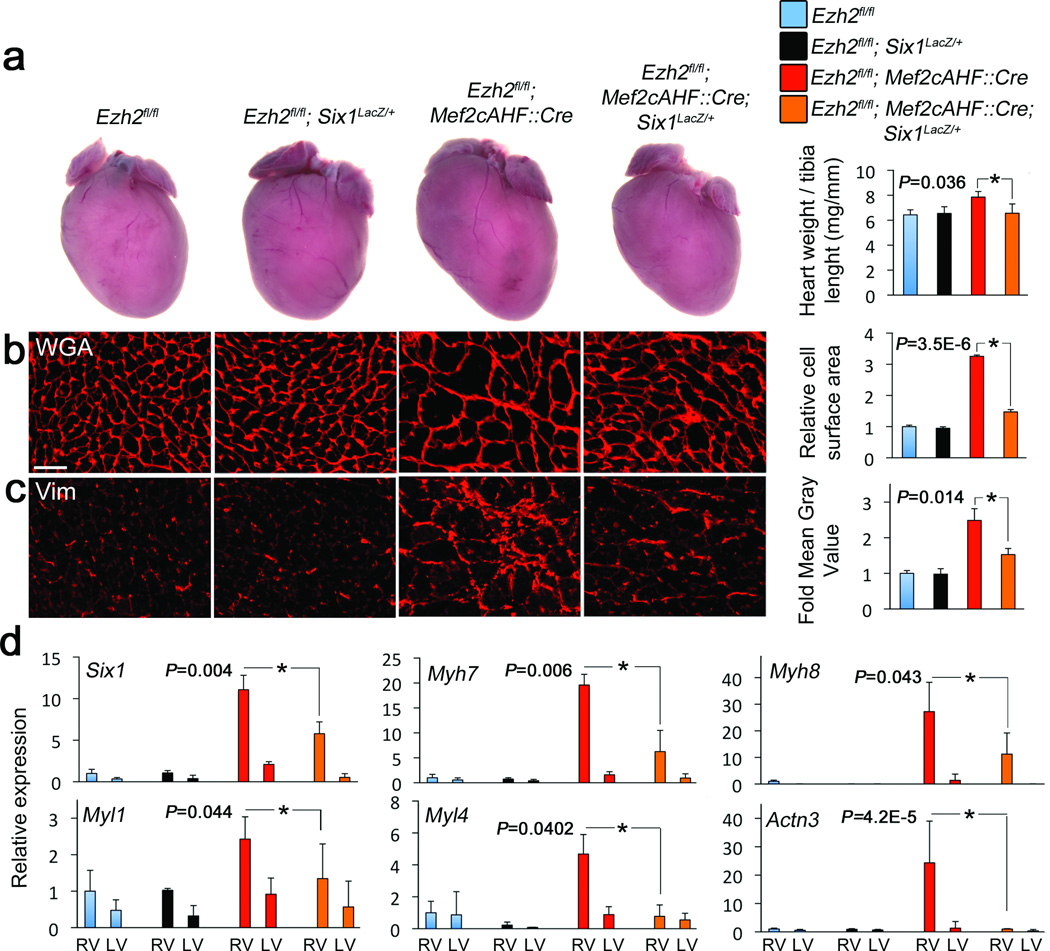
Adult-onset diseases can be associated with in utero events, but mechanisms for this remain unknown(1,2). The Polycomb histone methyltransferase Ezh2 stabilizes transcription by depositing repressive marks during development that persist into adulthood(3-9), but its function in postnatal organ homeostasis is unknown. We show that Ezh2 stabilizes cardiac gene expression and prevents cardiac pathology by repressing the homeodomain transcription factor gene Six1, which functions in cardiac progenitor cells but is stably silenced upon cardiac differentiation. Deletion of Ezh2 in cardiac progenitors caused postnatal myocardial pathology and destabilized cardiac gene expression with activation of Six1-dependent skeletal muscle genes. Six1 induced cardiomyocyte hypertrophy and skeletal muscle gene expression. Furthermore, genetically reducing Six1 levels rescued the pathology of Ezh2-deficient hearts. Thus, Ezh2-mediated repression of Six1 in differentiating cardiac progenitors is essential for stable gene expression and homeostasis in the postnatal heart. Our results suggest that epigenetic dysregulation in embryonic progenitor cells is a predisposing factor for adult disease and dysregulated stress responses.
Figures
Comment in
-
Mature cardiomyocytes recall their progenitor experience via polycomb repressive complex 2.Circ Res. 2012 Jul 6;111(2):162-4. doi: 10.1161/RES.0b013e3182635cbf. Circ Res. 2012. PMID: 22773425 No abstract available.
References
-
- Gluckman PD, Hanson MA, Buklijas T, Low FM, Beedle AS. Epigenetic mechanisms that underpin metabolic and cardiovascular diseases. Nature reviews. Endocrinology. 2009;5:401–408. - PubMed
-
- Petronis A. Epigenetics as a unifying principle in the aetiology of complex traits and diseases. Nature. 2010;465:721–727. - PubMed
-
- Surface LE, Thornton SR, Boyer LA. Polycomb group proteins set the stage for early lineage commitment. Cell stem cell. 2010;7:288–298. - PubMed
Publication types
MeSH terms
Substances
Associated data
- Actions
- Actions
Grants and funding
LinkOut - more resources
Full Text Sources
Other Literature Sources
Medical
Molecular Biology Databases
