


Multiplex detection and SNP genotyping in a single fluorescence channel
- PMID: 22272339
- PMCID: PMC3260291
- DOI: 10.1371/journal.pone.0030340
Multiplex detection and SNP genotyping in a single fluorescence channel
Abstract
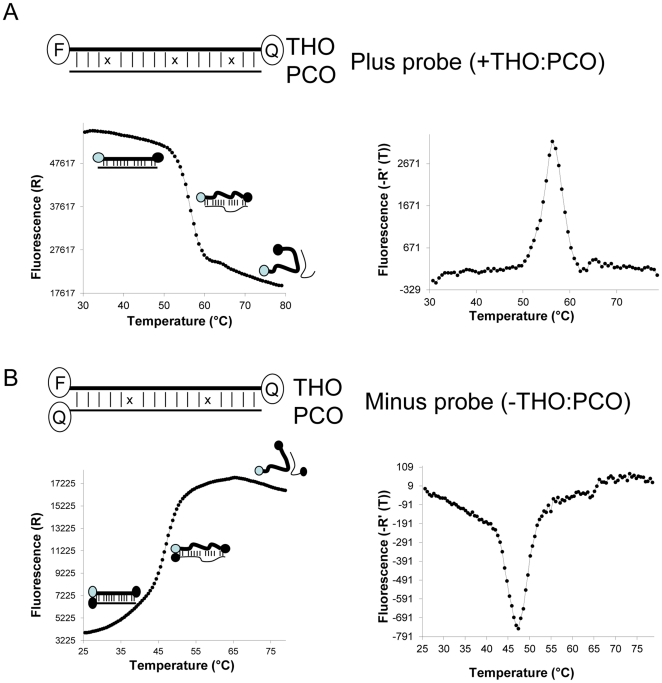
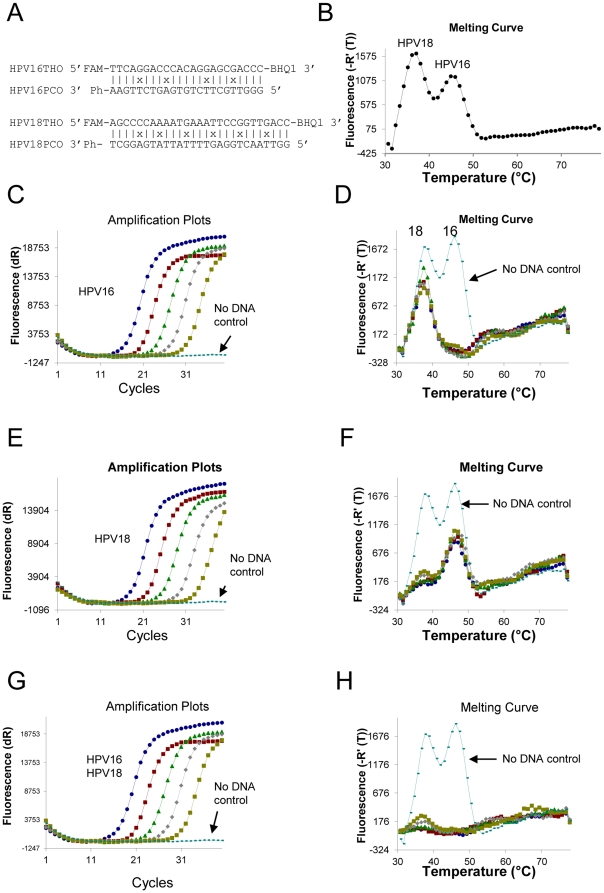
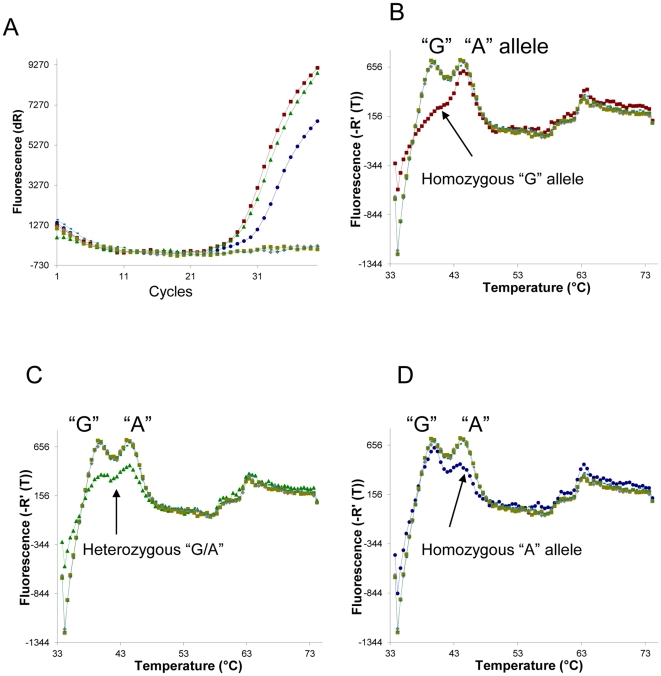
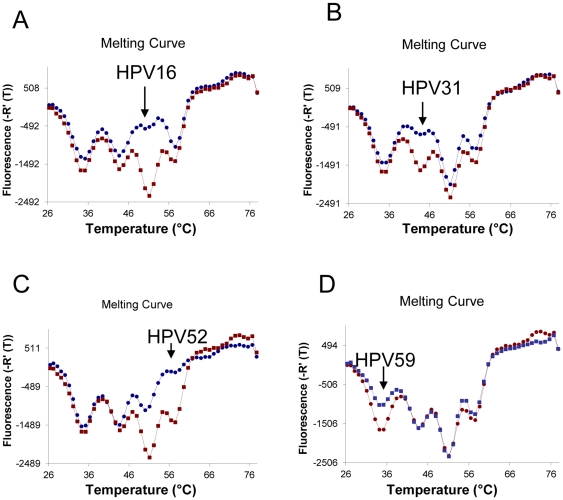
Probe-based PCR is widely used for SNP (single nucleotide polymorphism) genotyping and pathogen nucleic acid detection due to its simplicity, sensitivity and cost-effectiveness. However, the multiplex capability of hydrolysis probe-based PCR is normally limited to one target (pathogen or allele) per fluorescence channel. Current fluorescence PCR machines typically have 4-6 channels. We present a strategy permitting the multiplex detection of multiple targets in a single detection channel. The technique is named Multiplex Probe Amplification (MPA). Polymorphisms of the CYP2C9 gene (cytochrome P450, family 2, subfamily C, polypeptide 9, CYP2C9*2) and human papillomavirus sequences HPV16, 18, 31, 52 and 59 were chosen as model targets for testing MPA. The allele status of the CYP2C9*2 determined by MPA was entirely concordant with the reference TaqMan® SNP Genotyping Assays. The four HPV strain sequences could be independently detected in a single fluorescence detection channel. The results validate the multiplex capacity, the simplicity and accuracy of MPA for SNP genotyping and multiplex detection using different probes labeled with the same fluorophore. The technique offers a new way to multiplex in a single detection channel of a closed-tube PCR.
Conflict of interest statement
Figures
References
-
- Mackay IM. Real-time PCR in the microbiology laboratory. Clin Microbiol Infect. 2004;10:190–212. - PubMed
-
- Yeh HY, Yates MV, Chen W, Mulchandani A. Real-time molecular methods to detect infectious viruses. Semin Cell Dev Biol. 2009;20:49–54. - PubMed
-
- Edwards MC, Gibbs RA. Multiplex PCR: advantages, development, and applications. PCR Methods Appl. 1994;3:S65–75. - PubMed
Publication types
MeSH terms
Substances
LinkOut - more resources
Full Text Sources
Other Literature Sources
