


Induction of colonic aberrant crypts in mice by feeding apparent N-nitroso compounds derived from hot dogs
- PMID: 22293095
- PMCID: PMC3733137
- DOI: 10.1080/01635581.2012.650777
Induction of colonic aberrant crypts in mice by feeding apparent N-nitroso compounds derived from hot dogs
Abstract
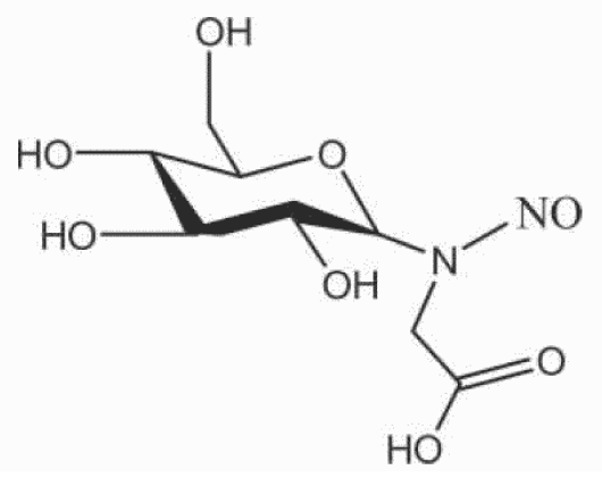
Nitrite-preserved meats (e.g., hot dogs) may help cause colon cancer because they contain N-nitroso compounds. We tested whether purified hot-dog-derived total apparent N-nitroso compounds (ANC) could induce colonic aberrant crypts, which are putative precursors of colon cancer. We purified ANC precursors in hot dogs and nitrosated them to produce ANC. In preliminary tests, CF1 mice received 1 or 3 i.p. injections of 5 mg azoxymethane (AOM)/kg. In Experiments 1 and 2, female A/J mice received ANC in diet. In Experiment 1, ANC dose initially dropped sharply because the ANC precursors had mostly decomposed but, later in Experiment 1 and throughout Experiment 2, ANC remained at 85 nmol/g diet. Mice were killed after 8 (AOM tests) or 17-34 (ANC tests) wk. Median numbers of aberrant crypts in the distal 2 cm of the colon for 1 and 3 AOM injections, CF1 controls, ANC (Experiment 1), ANC (Experiment 2),and untreated A/J mice were 31, 74, 12, 20, 12, and 5-6, with P < 0.01 for both ANC tests. Experiment 2 showed somewhat increased numbers of colonic mucin-depleted foci in the ANC-treated group. We conclude that hot-dog-derived ANC induced significant numbers of aberrant crypts in the mouse colon.
References
-
- Ward MH, Cross AJ, Divan H, Kulldorff M, Nowell-Kadlubar S, et al. Processed meat intake, CYP2A6 activity and risk of colorectal adenoma. Carcinogenesis. 2007;28:1210–1216. - PubMed
-
- Chao A, Thun MJ, Connell CJ, McCullough ML, Jacobs EJ, et al. Meat consumption and risk of colorectal cancer. J Am Med Assn. 2005;293:172–182. - PubMed
-
- Mirvish SS. Methods for the determination of N-nitroso compounds in foods and biological fluids. Chapter 18. Food Contaminants and Residue Analysis. In: Pico Y, editor. Comprehensive Analytical Chemistry. Vol. 51. Amsterdam, The Netherlands: Elsevier; 2008. pp. 653–684.
