


Strongyloides stercoralis hyperinfection syndrome and disseminated disease
Affiliations
- PMID: 22298975
- PMCID: PMC3264932
Item in Clipboard
Strongyloides stercoralis hyperinfection syndrome and disseminated disease
Gastroenterol Hepatol (N Y).
2011 Nov.
No abstract available
Figures
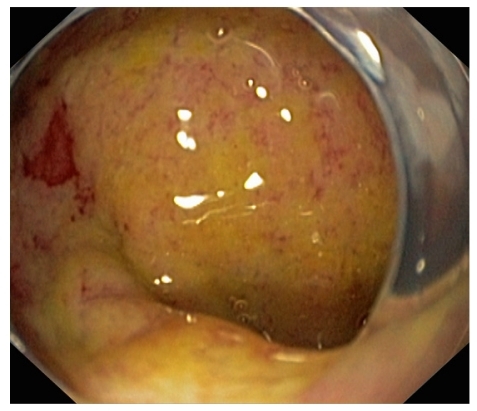
Endoscopic view of the duodenal bulb in a patient with Strongyloides hyperinfection syndrome. Note the diffuse mucosal swelling, erythema, and massive mucopurulent secretion on top of the mucosa.
References
-
- Liu LX, Weller PF. Strongyloidiasis and other intestinal nematode infections. Infect Dis Clin North Am. 1993;7:655–682. - PubMed
-
- Thompson BF, Fry LC, Wells CD, et al. The spectrum of GI strongyloidiasis: an endoscopic-pathologic study. Gastrointest Endosc. 2004;59:906–910. - PubMed
-
- Marcos LA, Terashima A, Dupont HL, Gotuzzo E. Strongyloides hyperinfection syndrome: an emerging global infectious disease. Trans R Soc Trop Med Hyg. 2008;102:314–318. - PubMed
LinkOut - more resources
Full Text Sources