


The Use of Arabidopsis to Study Interactions between Parasitic Angiosperms and Their Plant Hosts
- PMID: 22303205
- PMCID: PMC3243330
- DOI: 10.1199/tab.0035
The Use of Arabidopsis to Study Interactions between Parasitic Angiosperms and Their Plant Hosts
Abstract
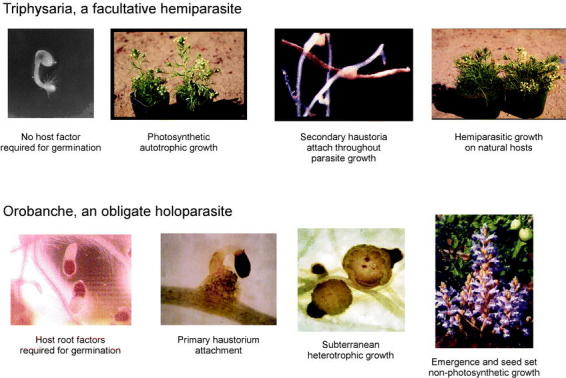
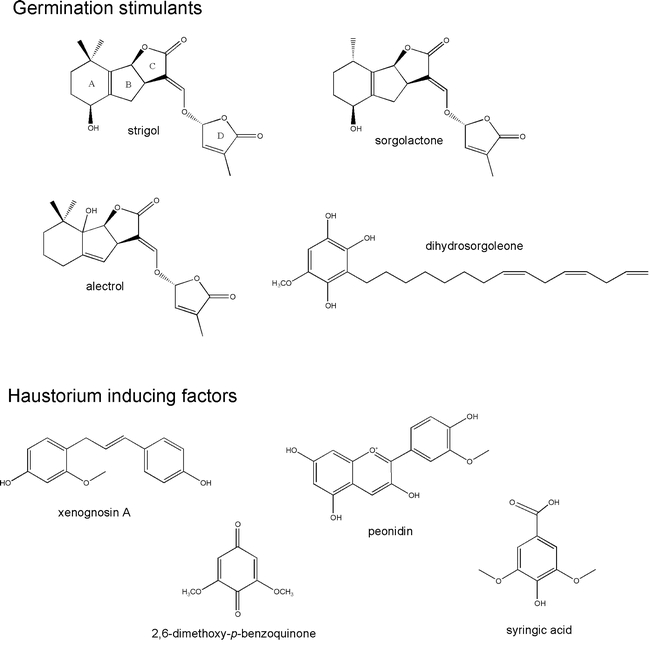
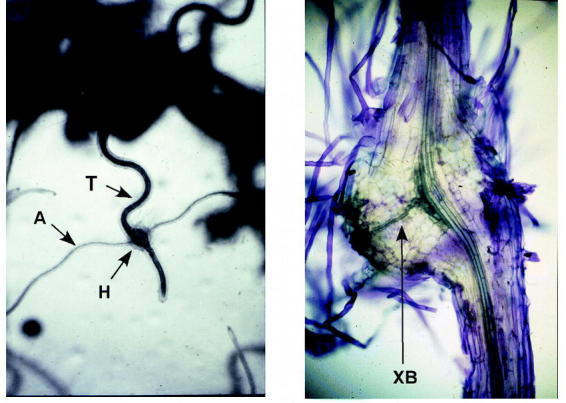
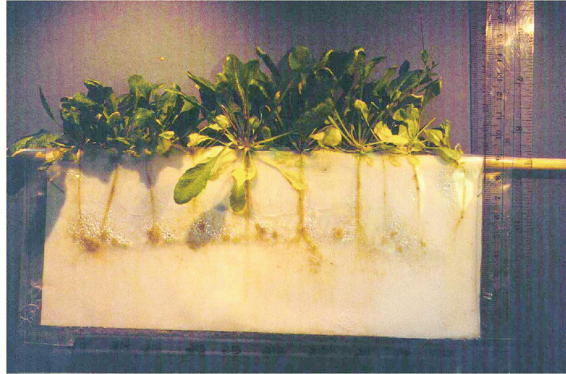
Parasitic plants invade host plants in order to rob them of water, minerals and nutrients. The consequences to the infected hosts can be debilitating and some of the world's most pernicious agricultural weeds are parasitic. Parasitic genera of the Scrophulariaceae and Orobanchaceae directly invade roots of neighboring plants via underground structures called haustoria. The mechanisms by which these parasites identify and associate with host plants present unsurpassed opportunities for studying chemical signaling in plant-plant interactions. Seeds of some parasites require specific host factors for efficient germination, thereby insuring the availability of an appropriate host root prior to germination. A second set of signal molecules is required to induce haustorium development and the beginning of heterotrophy. Later stages in parasitism also require the presence of host factors, although these have not yet been well characterized. Arabidopsis is being used as a model host plant to identify genetic loci associated with stimulating parasite germination, haustorium development, and parasite support. Arabidopsis is also being employed to explore how host plants respond to parasite attack. Current methodologies and recent findings in Arabidopsis - parasitic plant interactions will be discussed.
Figures
References
-
- Aalders A. G., Pieters R. Plant vigor as a misleading factor in search for resistance in broad bean to Orobanche crenata. 1986;1(1):140–149. Proceedings of a workshop biology and control of Orobanche, Wageningen, pp.
-
- Adler L. S. Alkaloid uptake increases fitness in a hemiparasitic plant via reduced herbivory and increased pollination. Amer. Naturalist. 2000;1561(1):92–99. - PubMed
-
- Aloni R. The induction of vascular tissues by auxin and cytokinin. 1995;1(1):531–546. In Plant Hormones: Physiology, Biochemistry, and Molecular Biology. P. J. Davies, eds. (Dordrecht: Kluwer Academic Publishers), pp.
-
- Alonso C. A. Resistance to Orobanche and resistance breeding: a review. 1998;1(1):233–257. 4th Intl. Orobanche Workshop, Current Problems of Orobanche Researches, Inst. for Wheat and Sunflower, ‘Dobroudja’, Albena, Bulgaria, pp.
LinkOut - more resources
Full Text Sources