


A rat decellularized small bowel scaffold that preserves villus-crypt architecture for intestinal regeneration
- PMID: 22305104
- PMCID: PMC4022101
- DOI: 10.1016/j.biomaterials.2012.01.012
A rat decellularized small bowel scaffold that preserves villus-crypt architecture for intestinal regeneration
Abstract
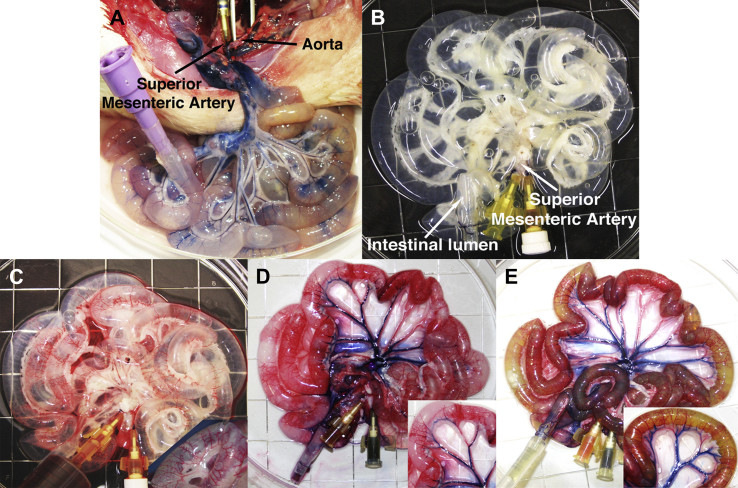
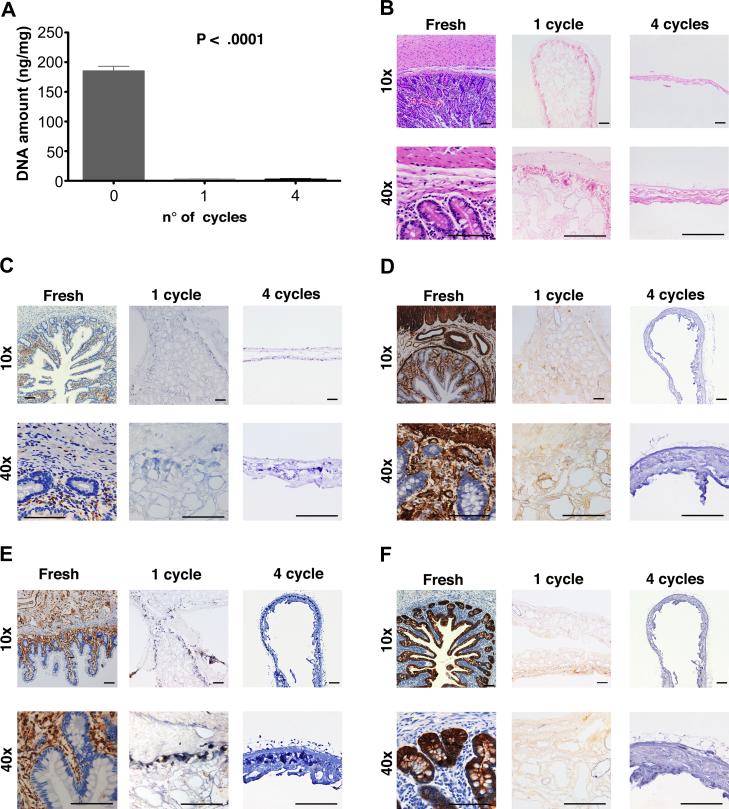
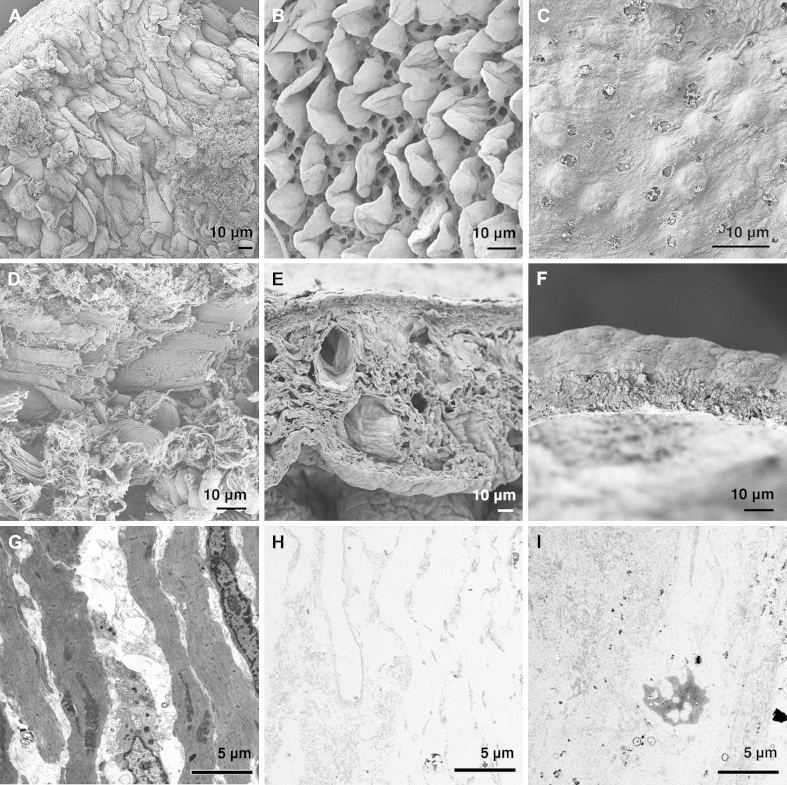
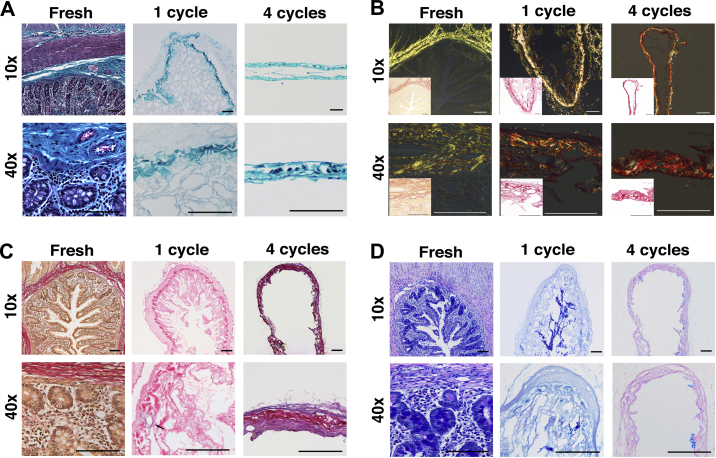
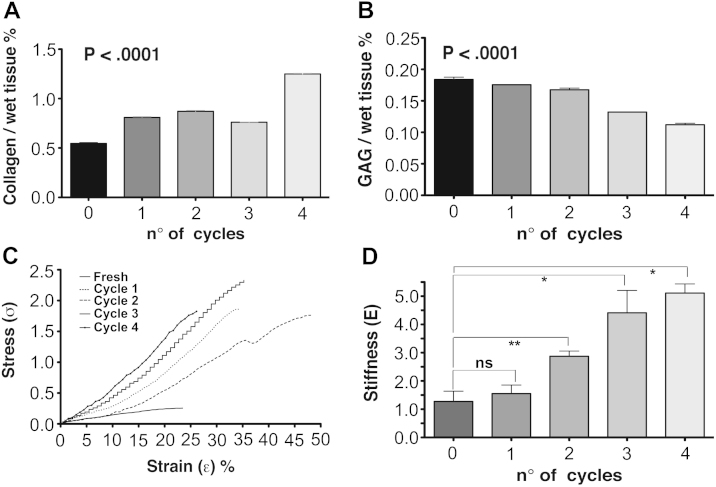
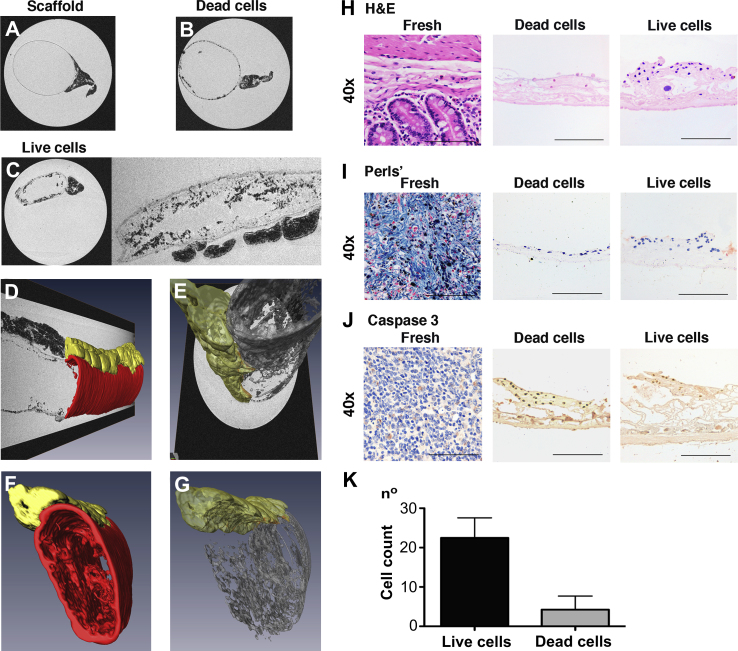
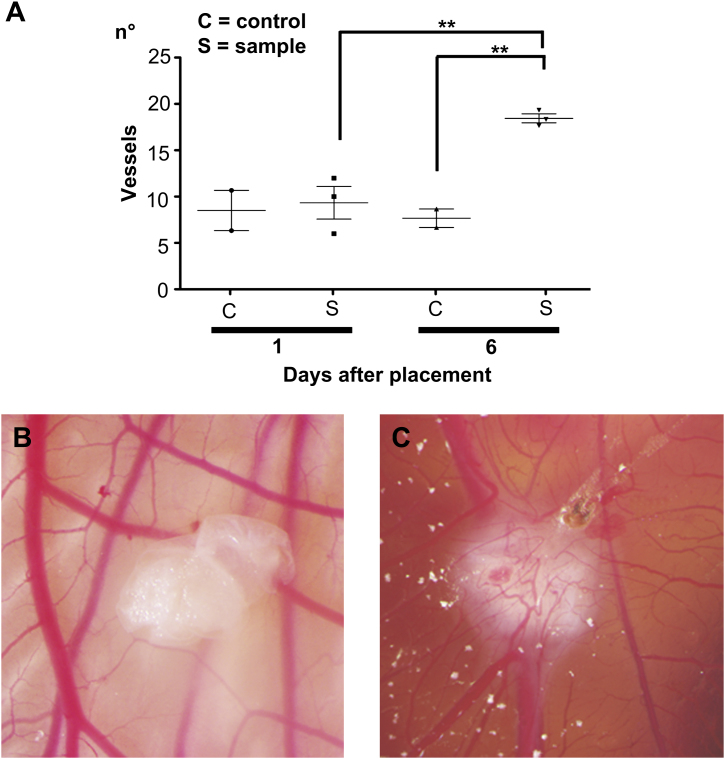
Management of intestinal failure remains a clinical challenge and total parenteral nutrition, intestinal elongation and/or transplantation are partial solutions. In this study, using a detergent-enzymatic treatment (DET), we optimize in rats a new protocol that creates a natural intestinal scaffold, as a base for developing functional intestinal tissue. After 1 cycle of DET, histological examination and SEM and TEM analyses showed removal of cellular elements with preservation of the native architecture and connective tissue components. Maintenance of biomechanical, adhesion and angiogenic properties were also demonstrated strengthen the idea that matrices obtained using DET may represent a valid support for intestinal regeneration.
Copyright © 2012 Elsevier Ltd. All rights reserved.
Figures

References
-
- Lloyd D.A., Vega R., Bassett P., Forbes A., Gabe S.M. Survival and dependence on home parenteral nutrition: experience over a 25-year period in a UK referral centre. Aliment Pharmacol Ther. 2006;24:1231–1240. - PubMed
-
- Goulet O., Ruemmele F., Lacaille F., Colomb V. Irreversible intestinal failure. J Pediatr Gastroenterol Nutr. 2004;38:250–269. - PubMed
-
- Bianchi A. Intestinal loop lengthening–a technique for increasing small intestinal length. J Pediatr Surg. 1980;15:145–151. - PubMed
-
- Vianna R.M., Mangus R.S. Present prospects and future perspectives of intestinal and multivisceral transplantation. Curr Opin Clin Nutr Metab Care. 2009;12:281–286. - PubMed
-
- Kemp P. History of regenerative medicine: looking backwards to move forwards. Regen Med. 2006;1:653–669. - PubMed
Publication types
MeSH terms
Grants and funding
LinkOut - more resources
Full Text Sources
Other Literature Sources
