


Eliciting views on antibiotic prescribing and resistance among hospital and outpatient care physicians in Berlin, Germany: results of a qualitative study
- PMID: 22307097
- PMCID: PMC3274716
- DOI: 10.1136/bmjopen-2011-000398
Eliciting views on antibiotic prescribing and resistance among hospital and outpatient care physicians in Berlin, Germany: results of a qualitative study
Abstract
Objective: To better understand physicians' views on factors of influence for the prescribing of antibiotics and on antibiotic resistance in the Berlin region, Germany.
Design: Qualitative study with focus groups.
Setting: Outpatient care and hospital care practice in the Berlin region, Germany.
Participants: 7 General practitioners, two urologists, one paediatrician from outpatient care and eight internists, two paediatricians, two ear, nose and throat specialists and two urologists from hospital care.
Results: Physicians showed differential interest in topics related to antibiotic prescribing and antibiotic resistance. Outpatient care physicians were interested in topics around their own prescribing, such as being able to diagnose and prescribe precisely, and topics about patient demand and non-compliance. Hospital care physicians were interested in hygiene challenges, limited consult time and multi-resistant pathogens.
Conclusions: Physicians considered the development of resistance to be more in the domain of clinical treatment than that of the patient. Major challenges related to antibiotic resistance for this group of physicians are access to and clarity of treatment recommendations, implementation of hygienic measures, as well as increased outsourcing of laboratory services. Results raise questions about whether meeting physicians' expectations should be a focus when developing intervention that aims to influence antibiotic resistance in this and other areas of Germany.
Conflict of interest statement
Figures
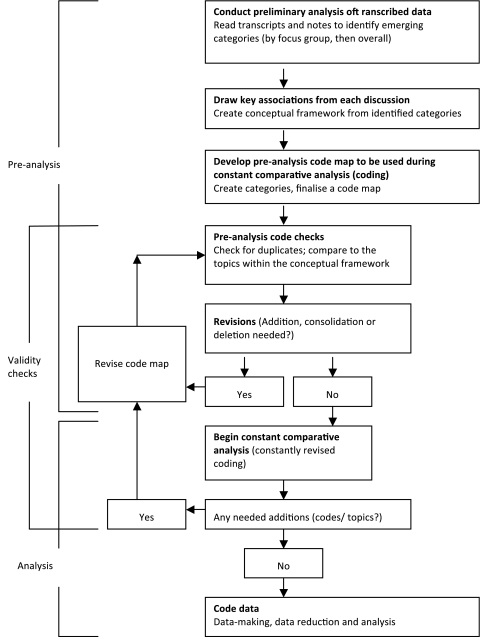
References
-
- Ferech M, Coenen S, Malhotra-Kumar S, et al. European surveillance of antimicrobial consumption (ESAC): outpatient antibiotic use in Europe. J Antimicrob Chemother 2006;58:401–7 - PubMed
-
- Vander Stichele RH, Elseviers MM, Ferech M, et al. Hospital consumption of antibiotics in 15 European countries: results of the ESAC Retrospective Data Collection (1997-2002). J Antimicrob Chemother 2006;58:159–67 - PubMed
-
- Cotter M, Daly L. Antibiotic prescription practices of general practitioners. Ir Med J 2007;100:598–601 - PubMed
-
- Guerra CM, Pereira CA, Neves Neto AR, et al. Physicians' perceptions, beliefs, attitudes, and knowledge concerning antimicrobial resistance in a Brazilian teaching hospital. Infect Control Hosp Epidemiol 2007;28:1411–14 - PubMed
-
- Hulscher ME, Grol RP, Van der Meer JW. Antibiotic prescribing in hospitals: a social and behavioural scientific approach. Lancet Infect Dis 2010;10:167–75 - PubMed
LinkOut - more resources
Full Text Sources
