


Inhibition of high-mobility group box 1 protein (HMGB1) enhances bacterial clearance and protects against Pseudomonas Aeruginosa pneumonia in cystic fibrosis
- PMID: 22314397
- PMCID: PMC3356431
- DOI: 10.2119/molmed.2012.00024
Inhibition of high-mobility group box 1 protein (HMGB1) enhances bacterial clearance and protects against Pseudomonas Aeruginosa pneumonia in cystic fibrosis
Abstract
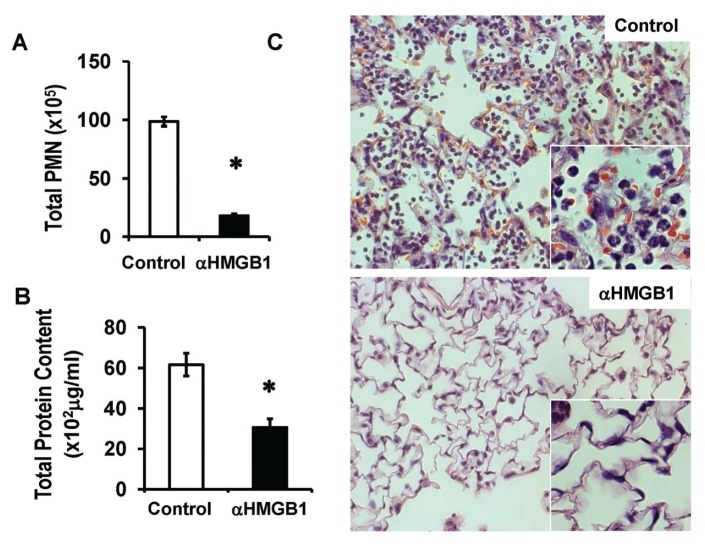
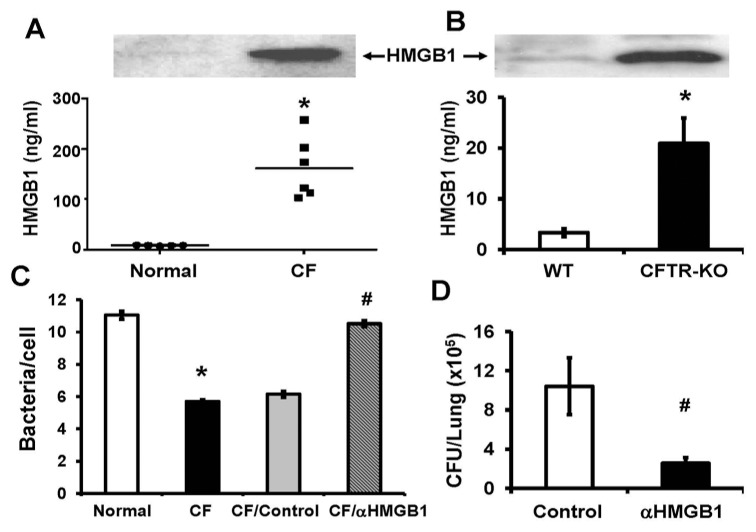
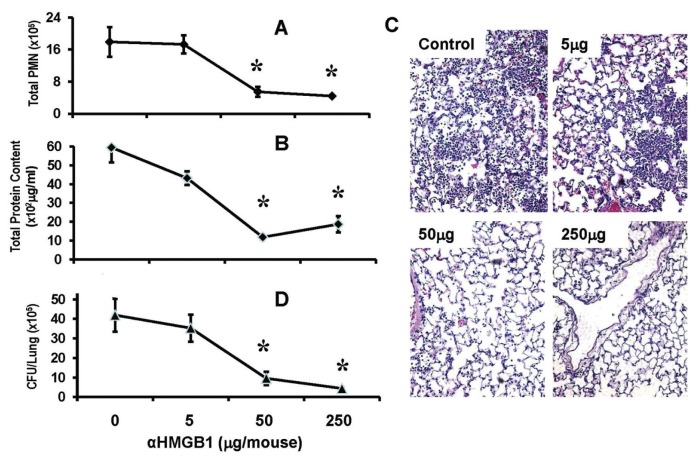
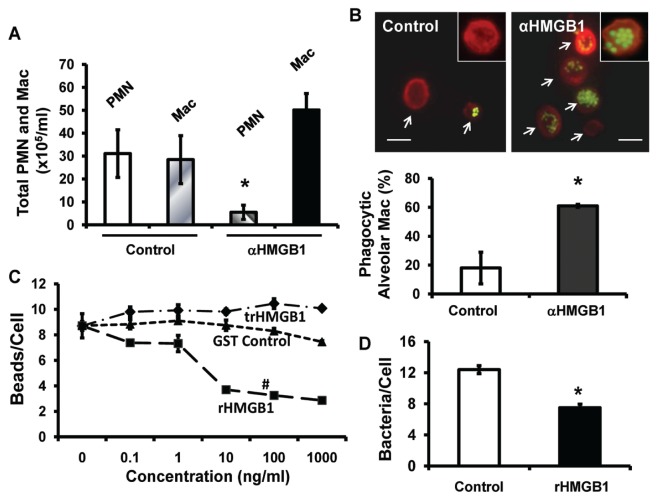
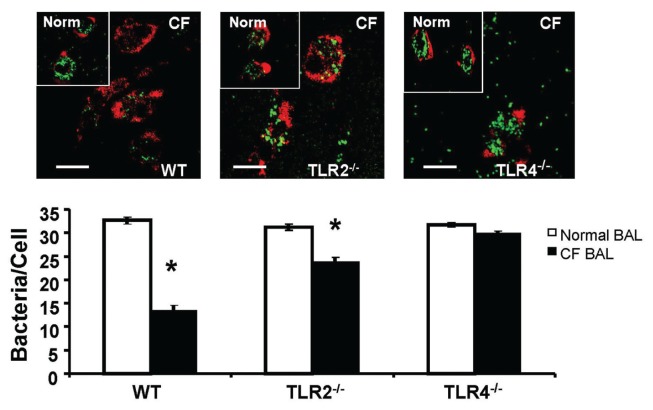
Pulmonary infection with Pseudomonas aeruginosa and neutrophilic lung inflammation significantly contribute to morbidity and mortality in cystic fibrosis (CF). High-mobility group box 1 protein (HMGB1), a ubiquitous DNA binding protein that promotes inflammatory tissue injury, is significantly elevated in CF sputum. However, its mechanistic and potential therapeutic implications in CF were previously unknown. We found that HMGB1 levels were significantly elevated in bronchoalveolar lavage fluids (BALs) of CF patients and cystic fibrosis transmembrane conductance regulator (CFTR )(-/-) mice. Neutralizing anti-HMGB1 monoclonal antibody (mAb) conferred significant protection against P. aeruginosa-induced neutrophil recruitment, lung injury and bacterial infection in both CFTR(-/-) and wild-type mice. Alveolar macrophages isolated from mice treated with anti-HMGB1 mAb had improved phagocytic activity, which was suppressed by direct exposure to HMGB1. In addition, BAL from CF patients significantly impaired macrophage phagocytotic function, and this impairment was attenuated by HMGB1-neutralizing antibodies. The HMGB1-mediated suppression of bacterial phagocytosis was attenuated in macrophages lacking toll-like receptor (TLR)-4, suggesting a critical role for TLR4 in signaling HMGB1-mediated macrophage dysfunction. These studies demonstrate that the elevated levels of HMGB1 in CF airways are critical for neutrophil recruitment and persistent presence of P. aeruginosa in the lung. Thus, HMGB1 may provide a therapeutic target for reducing bacterial infection and lung inflammation in CF.
Figures
References
Publication types
MeSH terms
Substances
Grants and funding
LinkOut - more resources
Full Text Sources
Other Literature Sources
Medical
Molecular Biology Databases
