


Ajoene, a sulfur-rich molecule from garlic, inhibits genes controlled by quorum sensing
- PMID: 22314537
- PMCID: PMC3346669
- DOI: 10.1128/AAC.05919-11
Ajoene, a sulfur-rich molecule from garlic, inhibits genes controlled by quorum sensing
Abstract
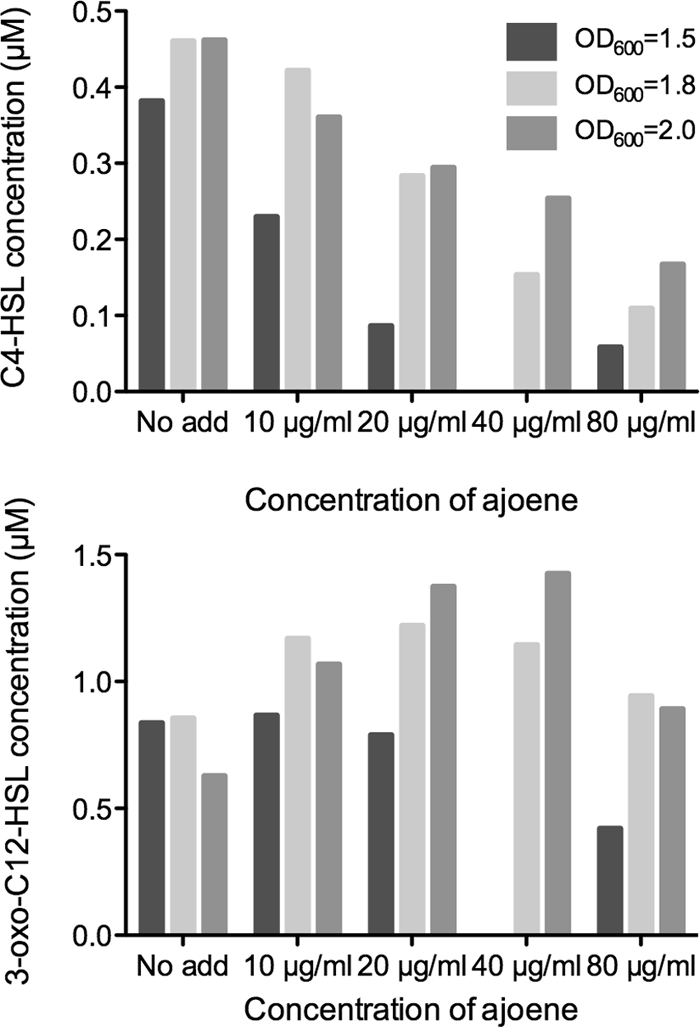
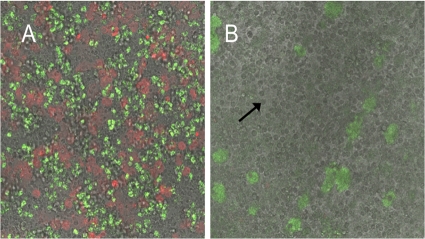
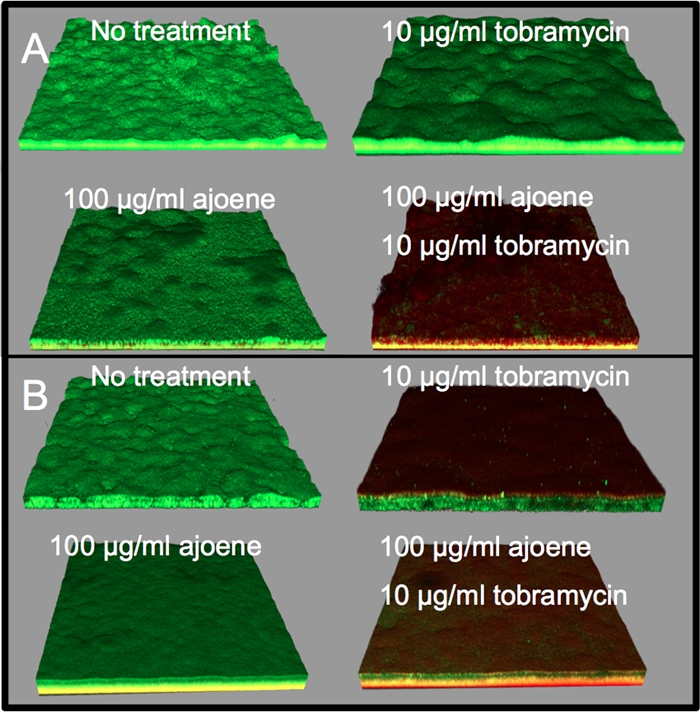
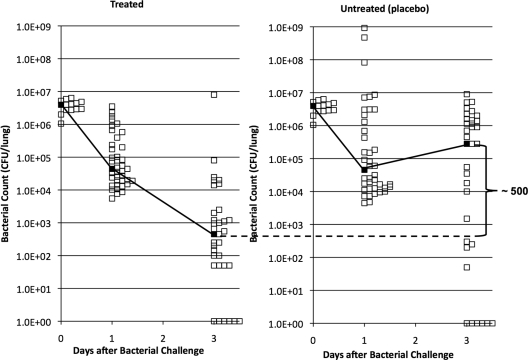
In relation to emerging multiresistant bacteria, development of antimicrobials and new treatment strategies of infections should be expected to become a high-priority research area. Quorum sensing (QS), a communication system used by pathogenic bacteria like Pseudomonas aeruginosa to synchronize the expression of specific genes involved in pathogenicity, is a possible drug target. Previous in vitro and in vivo studies revealed a significant inhibition of P. aeruginosa QS by crude garlic extract. By bioassay-guided fractionation of garlic extracts, we determined the primary QS inhibitor present in garlic to be ajoene, a sulfur-containing compound with potential as an antipathogenic drug. By comprehensive in vitro and in vivo studies, the effect of synthetic ajoene toward P. aeruginosa was elucidated. DNA microarray studies of ajoene-treated P. aeruginosa cultures revealed a concentration-dependent attenuation of a few but central QS-controlled virulence factors, including rhamnolipid. Furthermore, ajoene treatment of in vitro biofilms demonstrated a clear synergistic, antimicrobial effect with tobramycin on biofilm killing and a cease in lytic necrosis of polymorphonuclear leukocytes. Furthermore, in a mouse model of pulmonary infection, a significant clearing of infecting P. aeruginosa was detected in ajoene-treated mice compared to a nontreated control group. This study adds to the list of examples demonstrating the potential of QS-interfering compounds in the treatment of bacterial infections.
Figures
References
-
- Alhede M, et al. 2009. Pseudomonas aeruginosa recognizes and responds aggressively to the presence of polymorphonuclear leukocytes. Microbiology 155:3500–3508 - PubMed
-
- Allesen-Holm M, et al. 2006. A characterization of DNA release in Pseudomonas aeruginosa cultures and biofilms. Mol. Microbiol. 59:1114–1128 - PubMed
-
- Amara N, et al. 2009. Covalent inhibition of bacterial quorum sensing. J. Am. Chem. Soc. 131:10610–10619 - PubMed
-
- Binghe Wang NN, et al. March 2009. Compositions for regulating or modulating quorum sensing in bacteria, methods of using the compounds, and methods of regulating or modulating quorum sensing in bacteria. International publication number WO 2009/029317 A2. Patent Cooperation Treaty US2008/066028
Publication types
MeSH terms
Substances
LinkOut - more resources
Full Text Sources
Other Literature Sources
Medical
