


Chiral flavanones from Amygdalus lycioides Spach: structural elucidation and identification of TNFalpha inhibitors by bioactivity-guided fractionation
- PMID: 22318322
- PMCID: PMC6268923
- DOI: 10.3390/molecules17021665
Chiral flavanones from Amygdalus lycioides Spach: structural elucidation and identification of TNFalpha inhibitors by bioactivity-guided fractionation
Abstract
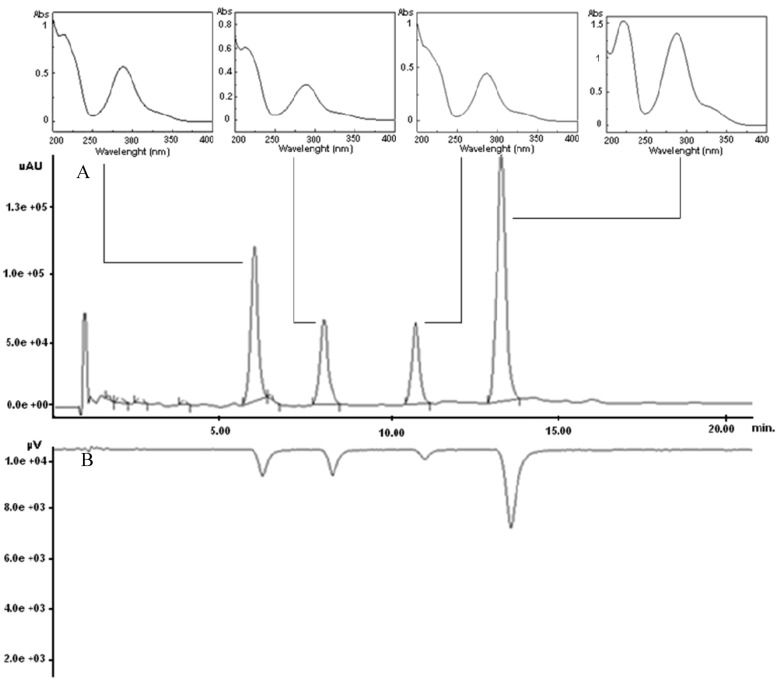
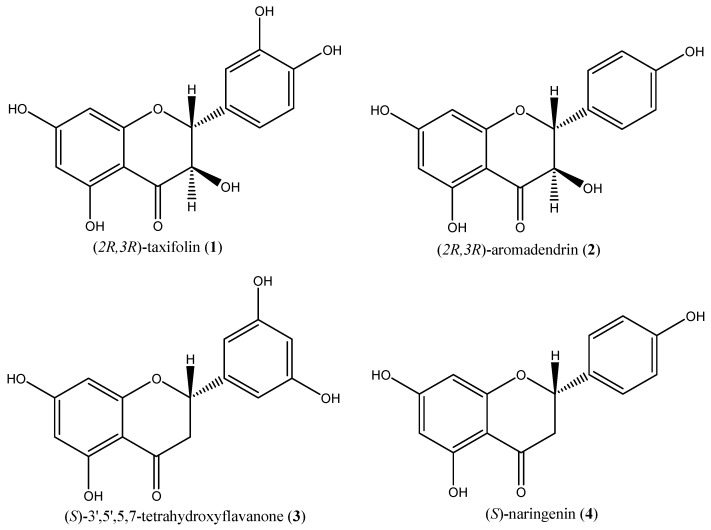
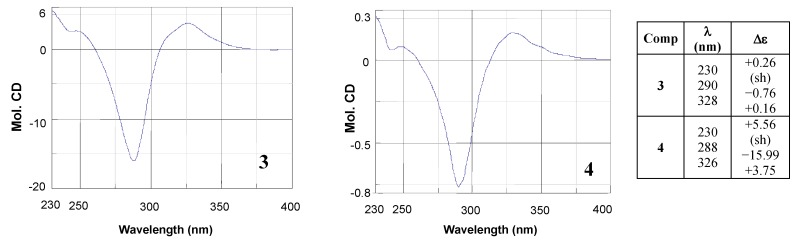
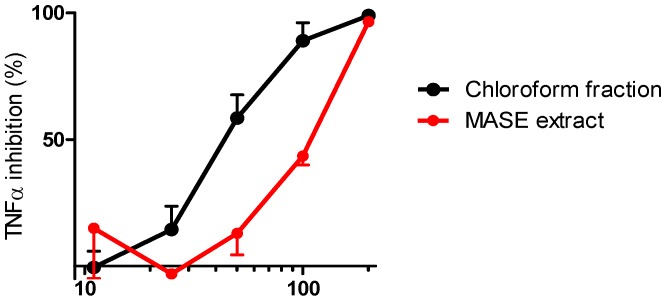
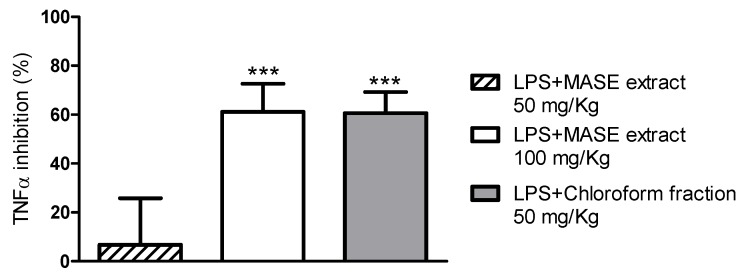
Phytochemical investigation on the Amygdalus lycioides Spach branchelets resulted in the isolation of four chiral flavanones: (2R,3R)-Taxifolin, (2R,3R)-aromadendrin, (S)-5,7,3',5'-tetrahydroxyflavanone and (S)-naringenin. The flavanones were isolated by semi-preparative HPLC, their structures elucidated based on spectroscopic data and their absolute configuration assigned. As a part of our ethnobotanical-directed search for novel TNFα inhibitors, the bioassay-guided fractionation of the n-hexane-acetone (n-Hex-Ac, 1:1 v/v) Amygdalus lycioides Spach branchelets extract was performed. In this way, (S)-naringenin was identified as the constituent responsible for the TNFα blocking effect, being effective in vitro and in vivo after oral administration. This is the first investigation on bioactive secondary metabolites of Amygdalus lycioides Spach branchelets.
Figures
References
-
- Browicz K., Zohary D. The genus Amygdalus L. (Rosaceae): Species relationships, distribution and evolution under domestication. Genet. Resour. Crop Evol. 1996;43:229–247. doi: 10.1007/BF00123275. - DOI
-
- Parsa A. Medicinal plants and drugs of plant origin in Iran IV. Plant Foods Hum. Nutr. 1960;7:65–136. doi: 10.1007/BF01260413. - DOI
-
- Gaggeri R., Rossi D., Hajikarimian N., Martino E., Bracco F., Grisoli P., Dacarro C., Leoni F., Mascheroni G., Collina S., et al. Preliminary study on TNFα-blocker activity of Amygdalus lycioides Spach extracts. Open Nat. Prod. J. 2010;3:20–25.
Publication types
MeSH terms
Substances
LinkOut - more resources
Full Text Sources
Research Materials
