


Individual development and evolution: experiential canalization of self-regulation
- PMID: 22329384
- PMCID: PMC5264525
- DOI: 10.1037/a0026472
Individual development and evolution: experiential canalization of self-regulation
Abstract
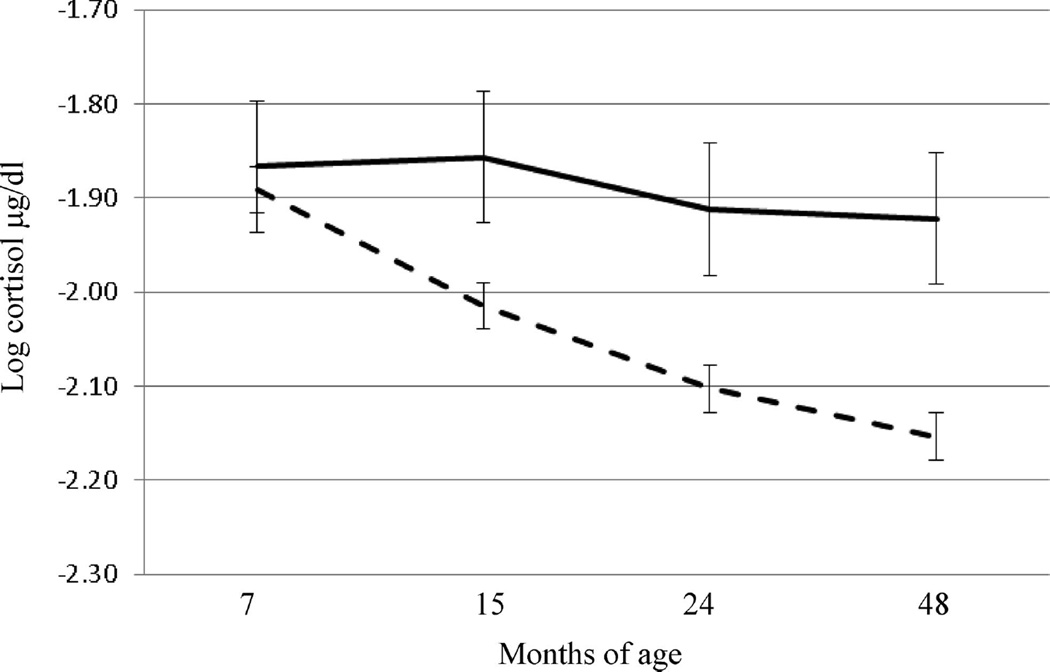
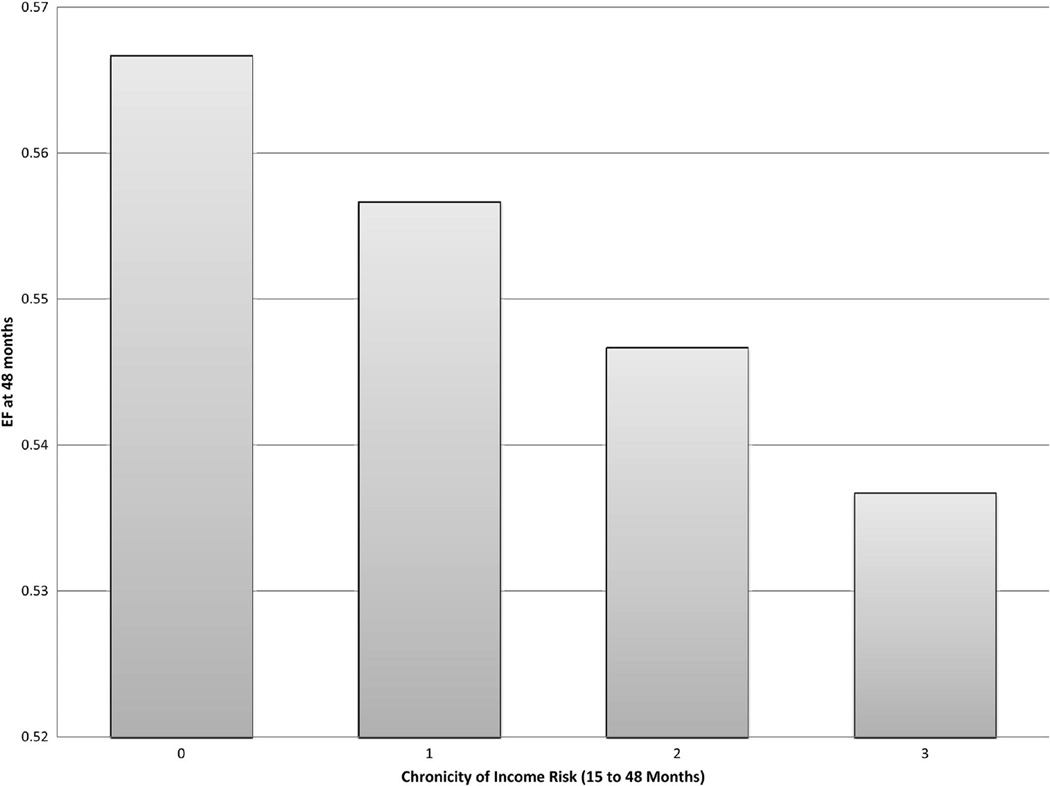
In this article, we contrast evolutionary and psychobiological models of individual development to address the idea that individual development occurring in prototypically risky and unsupportive environments can be understood as adaptation. We question traditional evolutionary explanations of individual development, calling on the principle of probabilistic epigenesis to suggest that individual development resulting from the combined activity of genes and environments is best understood to precede rather than follow from evolutionary change. Specifically, we focus on the ways in which experience shapes the development of stress response physiology, with implications for individual development and intergenerational transmission of reactive, as opposed to reflective, phenotypes. In doing so, we describe results from several analyses conducted with a longitudinal data set of 1,292 children and their primary caregivers followed from birth. Our results indicate that the effects of poverty on stress response physiology and on the development of the self-regulation of behavior represent instances of the experiential canalization of development with implications for understanding the genesis and "adaptiveness" of risk behavior.
Figures
Comment in
-
Exploring the dynamics of development and evolution: comment on Blair and Raver (2012).Dev Psychol. 2012 May;48(3):658-61. doi: 10.1037/a0027495. Dev Psychol. 2012. PMID: 22545850
References
-
- Alexander JK, Hillier A, Smith RM, Tivarus ME, Beversdorf DQ. Beta-adrenergic modulation of cognitive flexibility during stress. Journal of Cognitive Neuroscience. 2007;19:468–478. - PubMed
-
- Aston-Jones G, Cohen JD. An integrative theory of locus coeruleus-norepinephrine function: Adaptive gain and optimal performance. Annual Review of Neuroscience. 2005;28:403–450. - PubMed
-
- Belsky J, Pluess M. Beyond diathesis stress: Differential susceptibility to environmental influences. Psychological Bulletin. 2009;135:885–908. - PubMed
-
- Belsky J, Schlomer GL, Ellis BJ. Beyond cumulative risk: Distinguishing harshness and unpredictability as determinants of parenting and early life history strategy. Developmental Psychology. 2012;48:662–673. - PubMed
