


Management of 3-aminopyridine-2-carboxaldehyde thiosemicarbazone-induced methemoglobinemia
- PMID: 22335579
- PMCID: PMC3292053
- DOI: 10.2217/fon.11.147
Management of 3-aminopyridine-2-carboxaldehyde thiosemicarbazone-induced methemoglobinemia
Abstract
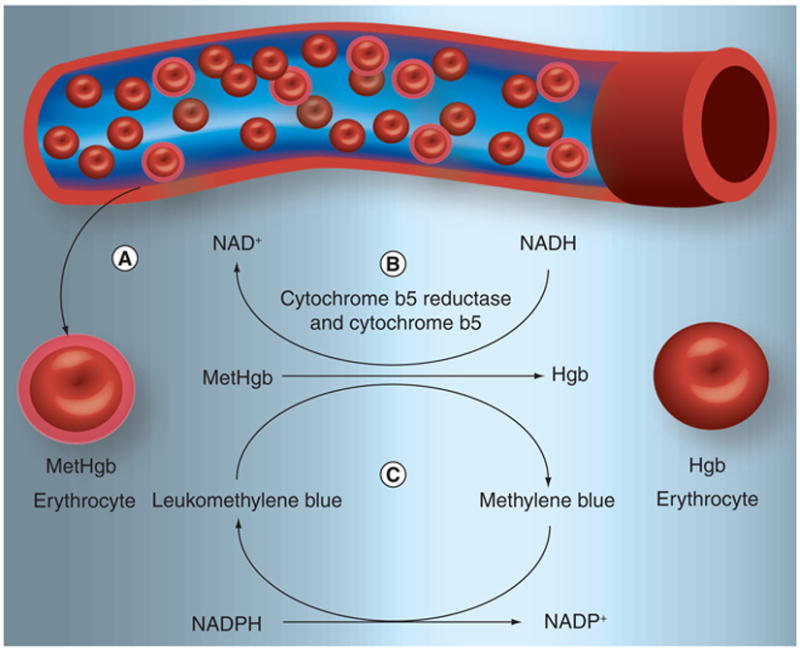
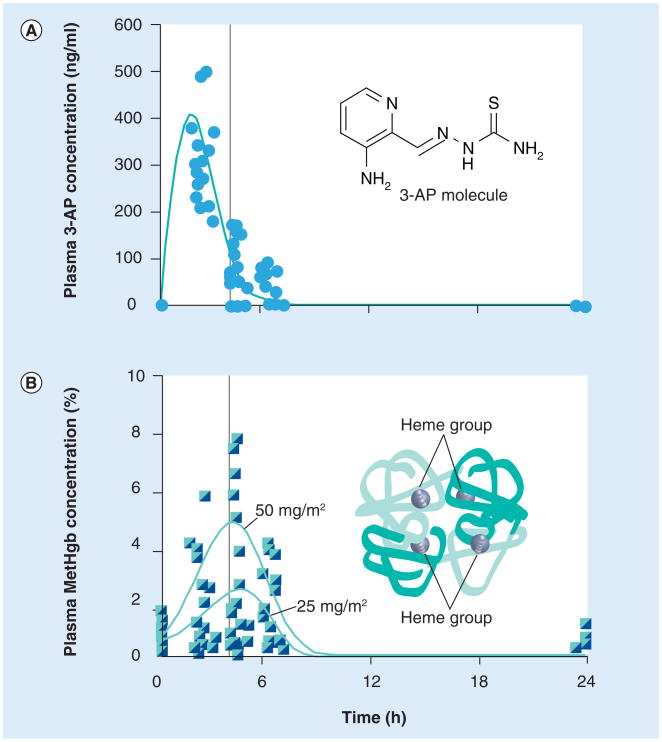
The anticancer agent 3-aminopyridine-2-carboxaldehyde thiosemicarbazone is a ribonucleotide reductase inhibitor. It inactivates ribonucleotide reductase by disrupting an iron-stabilized radical in ribonucleotide reductase's small subunits, M2 and M2b (p53R2). Unfortunately, 3-aminopyridine-2-carboxaldehyde thiosemicarbazone also alters iron II (Fe(2+)) in hemoglobin. This creates Fe(3+) methemoglobin that does not deliver oxygen. Fe(2+) in hemoglobin normally auto-oxidizes to inactive Fe(3+) methemoglobin at a rate of nearly 3% per day and this is counterbalanced by a reductase system that normally limits methemoglobin concentrations to less than 1% of hemoglobin. This balance may be perturbed by symptomatic toxicity levels during 3-aminopyridine-2-carboxaldehyde thiosemicarbazone therapy. Indications of 3-aminopyridine-2-carboxaldehyde thiosemicarbazone sequelae attributable to methemoglobinemia include resting dyspnea, headaches and altered cognition. Management of methemoglobinemia includes supplemental oxygen, ascorbate and, most importantly, intravenously administered methylene blue as a therapeutic antidote.
Figures
References
-
- Reichard P. Interactions between deoxyribonucleotides and DNA synthesis. Annu Rev Biochem. 1988;57:349–374. - PubMed
Publication types
MeSH terms
Substances
Grants and funding
LinkOut - more resources
Full Text Sources
Other Literature Sources
