


Isolation of free-living amoebae from sarein hot springs in ardebil province, iran
- PMID: 22347281
- PMCID: PMC3279877
Isolation of free-living amoebae from sarein hot springs in ardebil province, iran
Abstract
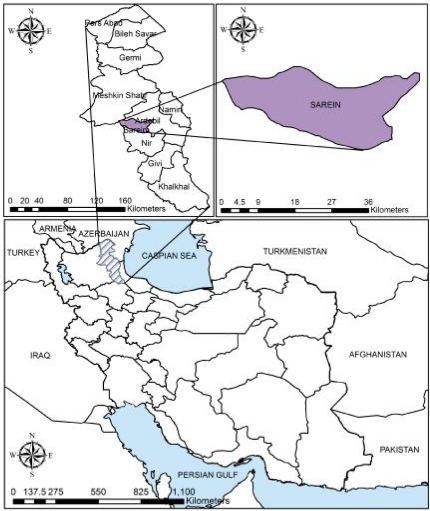
Background: Free-living amoebae (FLA) are a group of ubiquitous protozoan, which are distributed in the natural and artificial environment sources. The main aim of the current study was to identify the presence of FLA in the recreational hot springs of Sarein in Ardebil Province of Iran.
Methods: Seven recreational hot springs were selected in Sarein City and 28 water samples (four from each hot spring) were collected using 500 ml sterile plastic bottles during three month. Filtration of water samples was performed, and culture was done in non-nutrient agar medium enriched with Escherichia coli. Identification of the FLA was based on morphological criteria of cysts and trophozoites. Genotype identification of Acanthamoeba positive samples were also performed using sequencing based method.
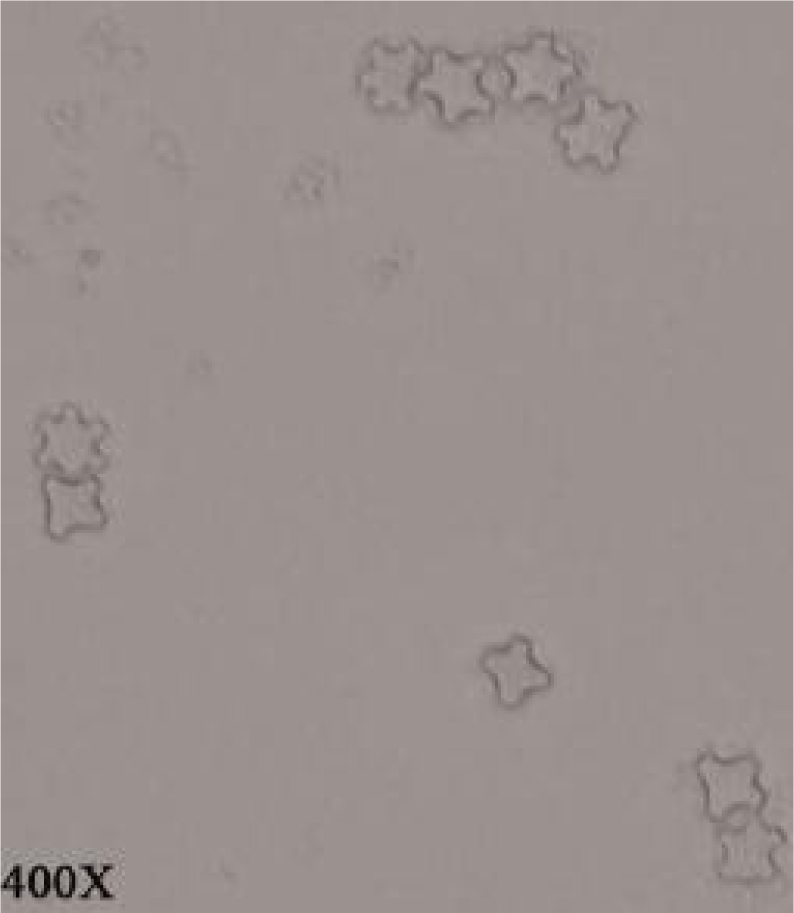
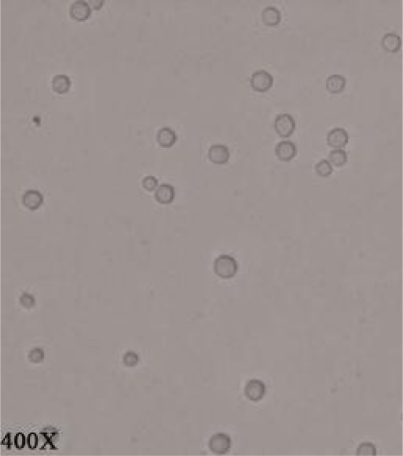
Results: Overall, 12 out of 28 (42.9%) samples were positive for FLA which Acanthamoeba and Vahlkampfiid amoebae were found in one (3.6%) and 11 (39.3%) samples, respectively. Sequence analysis of the single isolate of Acanthamoeba revealed potentially pathogenic T(4) genotype corresponding to A. castellanii.
Conclusion: Contamination of hot springs to FLA, such as Acanthamoeba T(4) genotype (A. castellanii) and Vahlkampfiid amoebae, could present a sanitary risk for high risk people, and health authorities must be aware of FLA presence.
Keywords: Acanthamoeba castellanii; Free-living amoebae; Hot spring; Iran; Vahlkampfiidae.
Figures
References
-
- Visvesvara GS, Moura H, Schuster FL. Pathogenic and opportunistic free living amoebae: Acanthamoeba spp, Balamuthia mandrillaris, Naegleria fowleri, and Sappinia diploidea . FEMS Immunol Med Microbiol. 2007;50(1):1–26. - PubMed
-
- Rezaeian M, Bagheri F, Farnia Sh, Babai Z. Isolation of Pathogenic Amoeba (Naegleria and Acanthameoba) from Water Sources and Margin Soils of Reveirs and Lakesin Kazerun. Iranian J Publ Health. 2003;1(3):47–8.
-
- Gianinazzi C, Schild M, Zumkehr B, Wüthrich F, Nüesch I, Ryter R, Schürch N, Gottstein B, Müller N. Screening of Swiss hot spring resorts for potentially pathogenic free-living amoebae. Exp Parasitol. 2010;126(1):45–53. - PubMed
-
- Martinez AJ. Free-Living Amebas. 1st ed. CRC Press; 1985.
-
- Lekkla A, Sutthikornchai C, Bovornkitti S, Sukthana Y. Free-living ameba contamination in natural hot springs in Thailand. Southeast Asian J Trop Med Publ Health. 2005;36(4):5–9. - PubMed
LinkOut - more resources
Full Text Sources