


Exogenous visual orienting is associated with specific neurotransmitter genetic markers: a population-based genetic association study
- PMID: 22348020
- PMCID: PMC3279352
- DOI: 10.1371/journal.pone.0030731
Exogenous visual orienting is associated with specific neurotransmitter genetic markers: a population-based genetic association study
Abstract
Background: Currently, there is a sense that the spatial orienting of attention is related to genotypic variations in cholinergic genes but not to variations in dopaminergic genes. However, reexamination of associations with both cholinergic and dopaminergic genes is warranted because previous studies used endogenous rather than exogenous cues and costs and benefits were not analyzed separately. Examining costs (increases in response time following an invalid pre-cue) and benefits (decreases in response time following a valid pre-cue) separately could be important if dopaminergic genes (implicated in disorders such as attention deficit disorder) independently influence the different processes of orienting (e.g., disengage, move, engage).
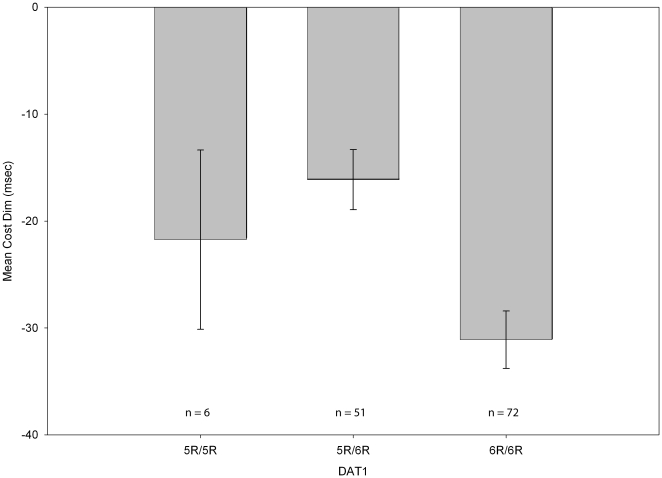
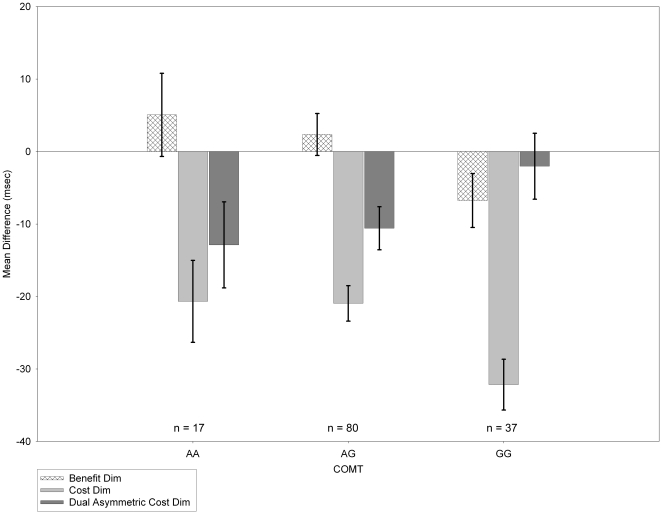
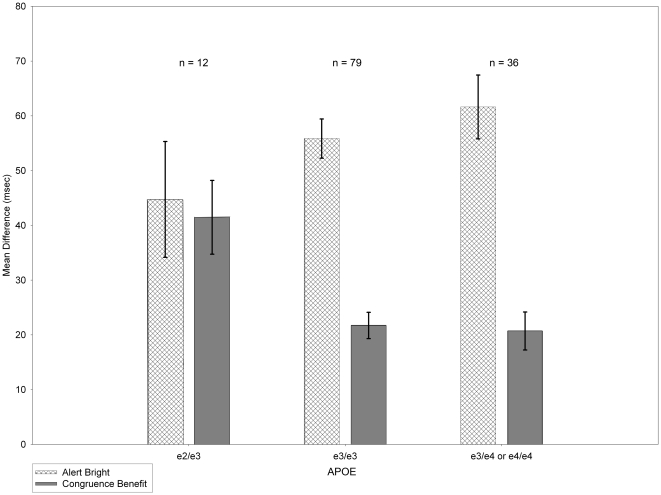
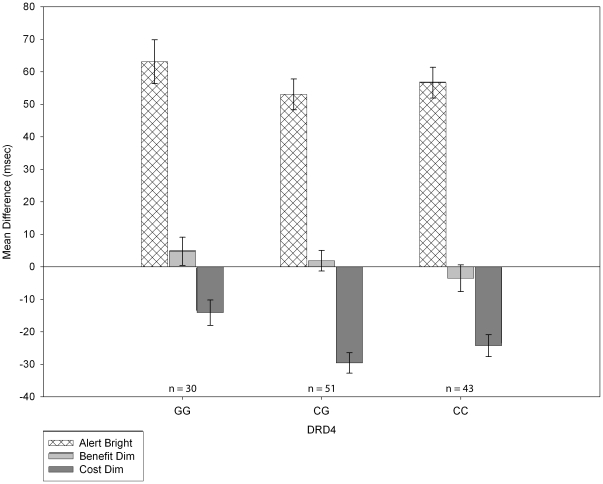
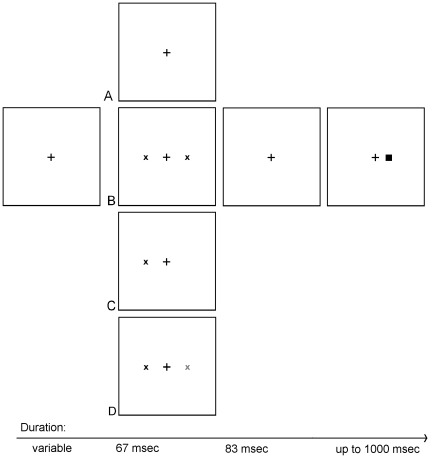
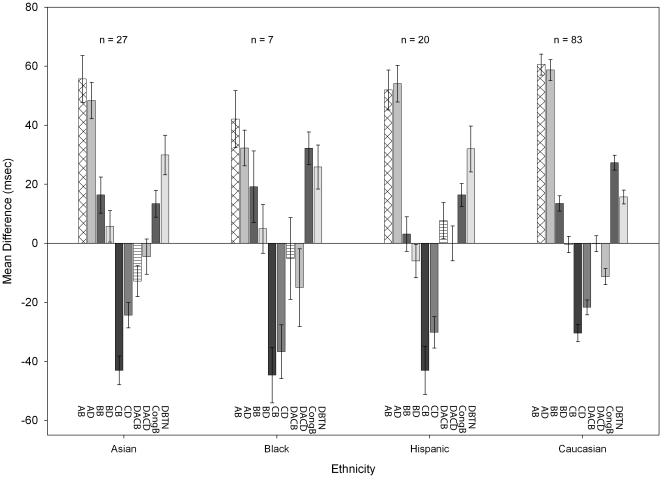
Methodology/principal findings: We tested normal subjects (N = 161) between 18 and 61 years. Participants completed a computer task in which pre-cues preceded the presence of a target. Subjects responded (with a key press) to the location of the target (right versus left of fixation). The cues could be valid (i.e., appear where the target would appear) or invalid (appear contralateral to where the target would appear). DNA sequencing assays were performed on buccal cells to genotype known genetic markers and these were examined for association with task scores. Here we show significant associations between visual orienting and genetic markers (on COMT, DAT1, and APOE; R(2)s from 4% to 9%).
Conclusions/significance: One measure in particular--the response time cost of a single dim, invalid cue - was associated with dopaminergic markers on COMT and DAT1. Additionally, variations of APOE genotypes based on the ε2/ε3/ε4 alleles were also associated with response time differences produced by simultaneous cues with unequal luminances. We conclude that individual differences in visual orienting are related to several dopaminergic markers as well as to a cholinergic marker. These results challenge the view that orienting is not associated with genotypic variation in dopaminergic genes.
Conflict of interest statement
Figures
References
-
- Green AE, Munafò MR, DeYoung CG, Fossella JA, Fan J, Gray JR. Using genetic data in cognitive neuroscience: From growing pains to genuine insights. Nature Reviews Neuroscience. 2008;9:710–720. - PubMed
-
- Landry R, Bryson S. Impaired disengagement of attention in young children with autism. Journal of Child Psychology and Psychiatry. 2004;45:1115–1122. - PubMed
-
- Øie M, Rund BR, Sundet K. Covert visual attention in patients with early-onset schizophrenia. Schizophrenia Research. 1998;24:195–205. - PubMed
Publication types
MeSH terms
Substances
Grants and funding
LinkOut - more resources
Full Text Sources
Miscellaneous
