


Excision of HIV-1 proviral DNA by recombinant cell permeable tre-recombinase
- PMID: 22348110
- PMCID: PMC3278460
- DOI: 10.1371/journal.pone.0031576
Excision of HIV-1 proviral DNA by recombinant cell permeable tre-recombinase
Abstract
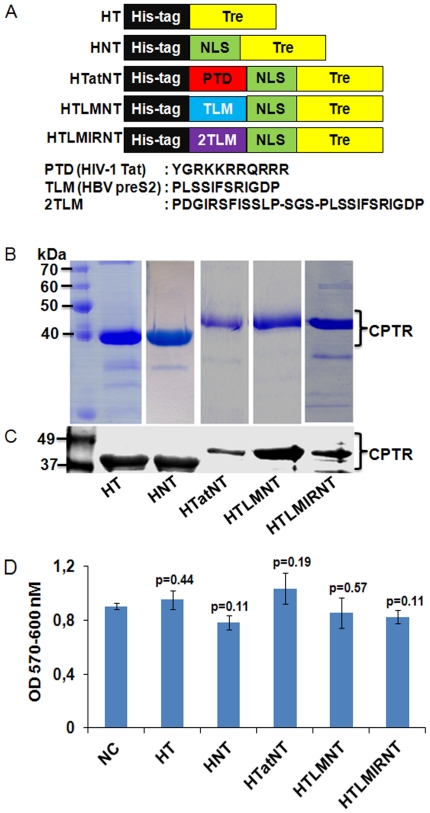
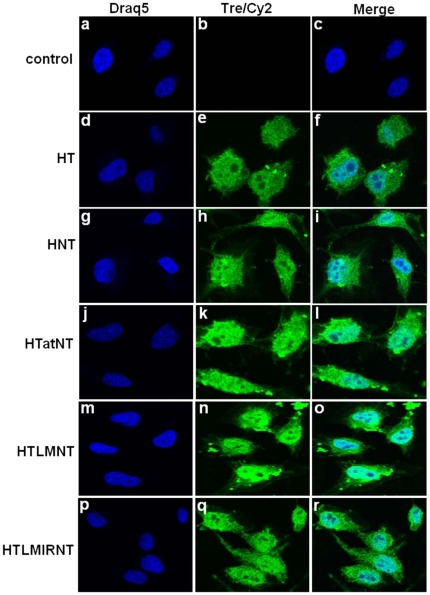
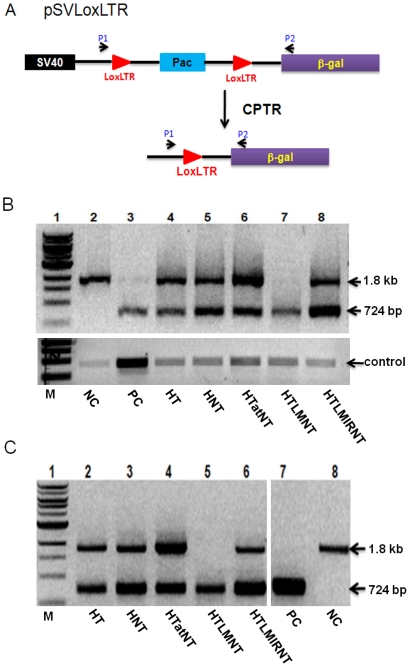
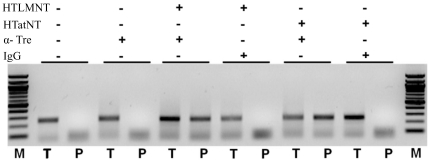
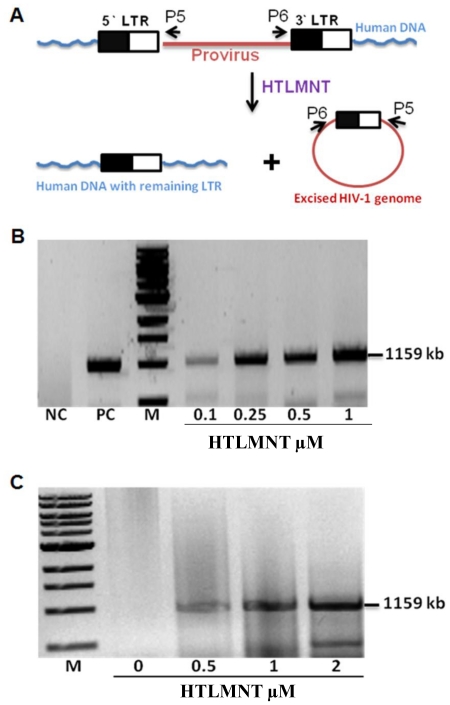
Over the previous years, comprehensive studies on antiretroviral drugs resulted in the successful introduction of highly active antiretroviral therapy (HAART) into clinical practice for treatment of HIV/AIDS. However, there is still need for new therapeutic approaches, since HAART cannot eradicate HIV-1 from the infected organism and, unfortunately, can be associated with long-term toxicity and the development of drug resistance. In contrast, novel gene therapy strategies may have the potential to reverse the infection by eradicating HIV-1. For example, expression of long terminal repeat (LTR)-specific recombinase (Tre-recombinase) has been shown to result in chromosomal excision of proviral DNA and, in consequence, in the eradication of HIV-1 from infected cell cultures. However, the delivery of Tre-recombinase currently depends on the genetic manipulation of target cells, a process that is complicating such therapeutic approaches and, thus, might be undesirable in a clinical setting. In this report we demonstrate that E.coli expressed Tre-recombinases, tagged either with the protein transduction domain (PTD) from the HIV-1 Tat trans-activator or the translocation motif (TLM) of the Hepatitis B virus PreS2 protein, were able to translocate efficiently into cells and showed significant recombination activity on HIV-1 LTR sequences. Tre activity was observed using episomal and stable integrated reporter constructs in transfected HeLa cells. Furthermore, the TLM-tagged enzyme was able to excise the full-length proviral DNA from chromosomal integration sites of HIV-1-infected HeLa and CEM-SS cells. The presented data confirm Tre-recombinase activity on integrated HIV-1 and provide the basis for the non-genetic transient application of engineered recombinases, which may be a valuable component of future HIV eradication strategies.
Conflict of interest statement
Figures
References
-
- Richman DD. HIV chemotherapy. Nature. 2001;410:995–1001. - PubMed
-
- Thompson MA, Aberg JA, Cahn P, Montaner JS, Rizzardini G, et al. Antiretroviral treatment of adult HIV infection: 2010 recommendations of the International AIDS Society-USA panel. JAMA. 2010;304:321–333. - PubMed
-
- Cihlar T, Ray AS. Nucleoside and nucleotide HIV reverse transcriptase inhibitors: 25 years after zidovudine. Antiviral Res. 2010;85:39–58. - PubMed
-
- de Bethune MP. Non-nucleoside reverse transcriptase inhibitors (NNRTIs), their discovery, development, and use in the treatment of HIV-1 infection: a review of the last 20 years (1989–2009). Antiviral Res. 2010;85:75–90. - PubMed
-
- Martin JC, Hitchcock MJ, De Clercq E, Prusoff WH. Early nucleoside reverse transcriptase inhibitors for the treatment of HIV: a brief history of stavudine (D4T) and its comparison with other dideoxynucleosides. Antiviral Res. 2010;85:34–38. - PubMed
Publication types
MeSH terms
Substances
LinkOut - more resources
Full Text Sources
Other Literature Sources
Medical
Molecular Biology Databases
