. 2012 Jul 17;45(7):1067-76.
doi: 10.1021/ar2002123. Epub 2012 Feb 21.

The chemistry and biology of oligonucleotide conjugates

Affiliations

The chemistry and biology of oligonucleotide conjugates

R L Juliano et al. Acc Chem Res. .

Abstract

Short DNA or RNA oligonucleotides have tremendous potential as therapeutic agents. Because of their ability to engage in Watson-Crick base pairing, they can interact with mRNA or pre-mRNA targets with high selectivity. As a result, they could precisely manipulate gene expression. This possibility has engendered extensive efforts to develop oligonucleotides as drugs, and many candidates are already in clinical trials. However, a major impediment to the maturation of this field of oligonucleotide-based therapeutics remains: these relatively large and often highly charged molecules don't easily cross cellular membranes, making it difficult for them to reach their sites of action in the cytosol or nucleus. In this Account, we summarize some basic features of the biology of antisense and siRNA oligonucleotides. We then discuss chemical conjugation as an approach to improving the intracellular delivery and therapeutic potential of these agents. Instead of focusing on the details of conjugation chemistry, we emphasize the pharmacological ramifications of oligonucleotide conjugates. In one important approach to improving delivery and efficacy, researchers have conjugated oligonucleotides with ligands designed to bind to particular receptors and thus provide specific interactions with cells. In another strategy, researchers have coupled antisense or siRNA with agents such as cell penetrating peptides that are designed to provoke escape of the conjugate from intracellular vesicular compartments. Although both of these strategies have had some success, further research is needed before oligonucleotide conjugates can find an important place in human therapeutics.


Figures
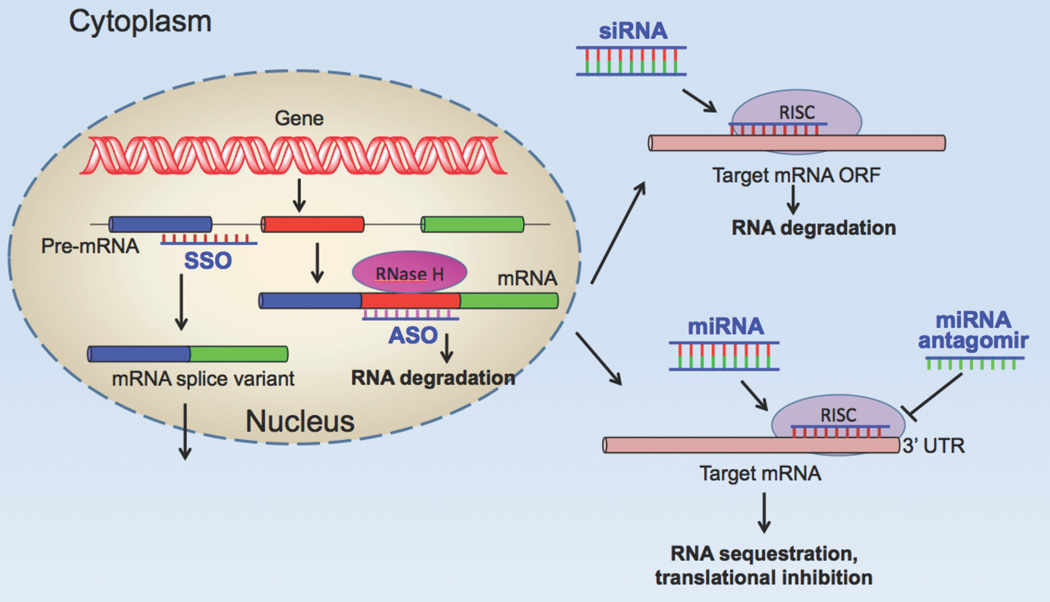
Figure 1
Figure 1. Oligonucleotide Mechanisms of Action
Four mechanisms are illustrated. In the nucleus: (i) classical antisense (ASO) mediated mRNA degradation via ribonuclease H; (ii) alteration of exon choice using splice switching oligonucleotides (SSO). In the cytosol: (iii) siRNA mediated mRNA degradation via the Ago 2/RISC complex; (iv) miRNA modulation of mRNA function.
Figure 2
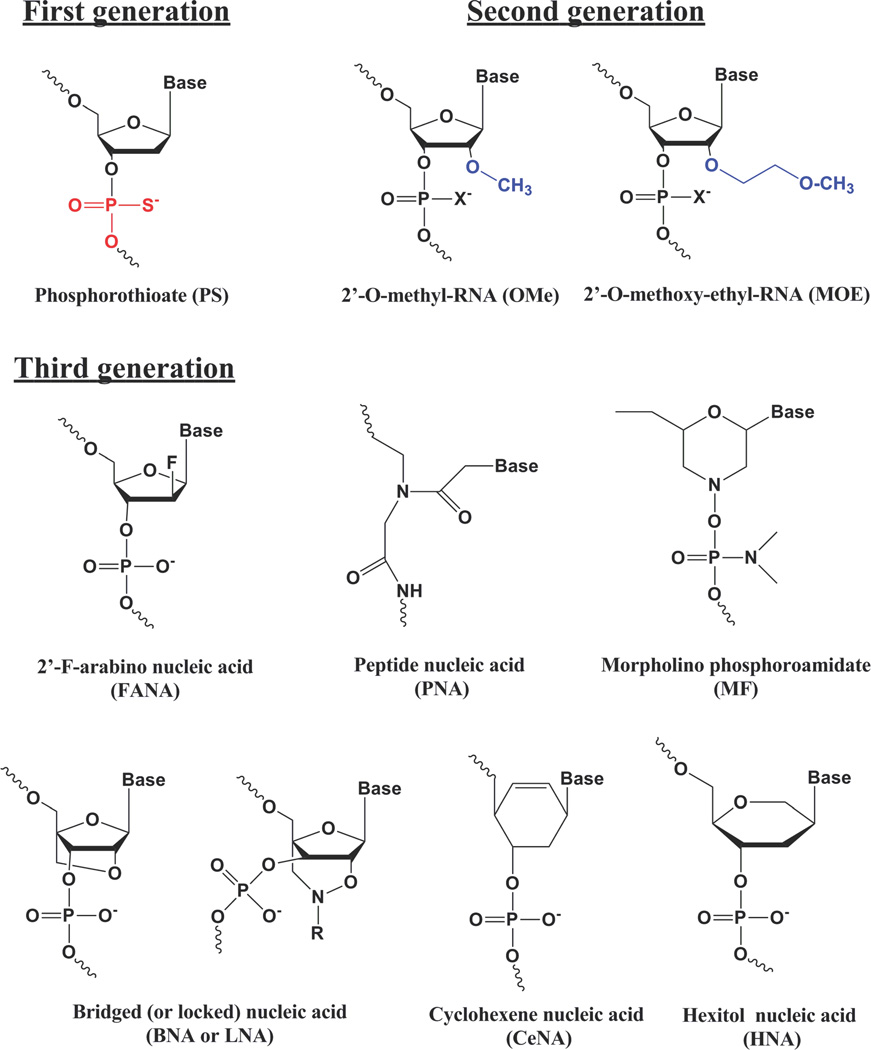
Figure 2. Common Chemical Modifications of Oligonucleotides
Other than the morpholino and PNA backbone modifications that form uncharged molecules, the various chemistries shown can be applied to siRNA as well as to single stranded oligonucleotides.
Figure 3
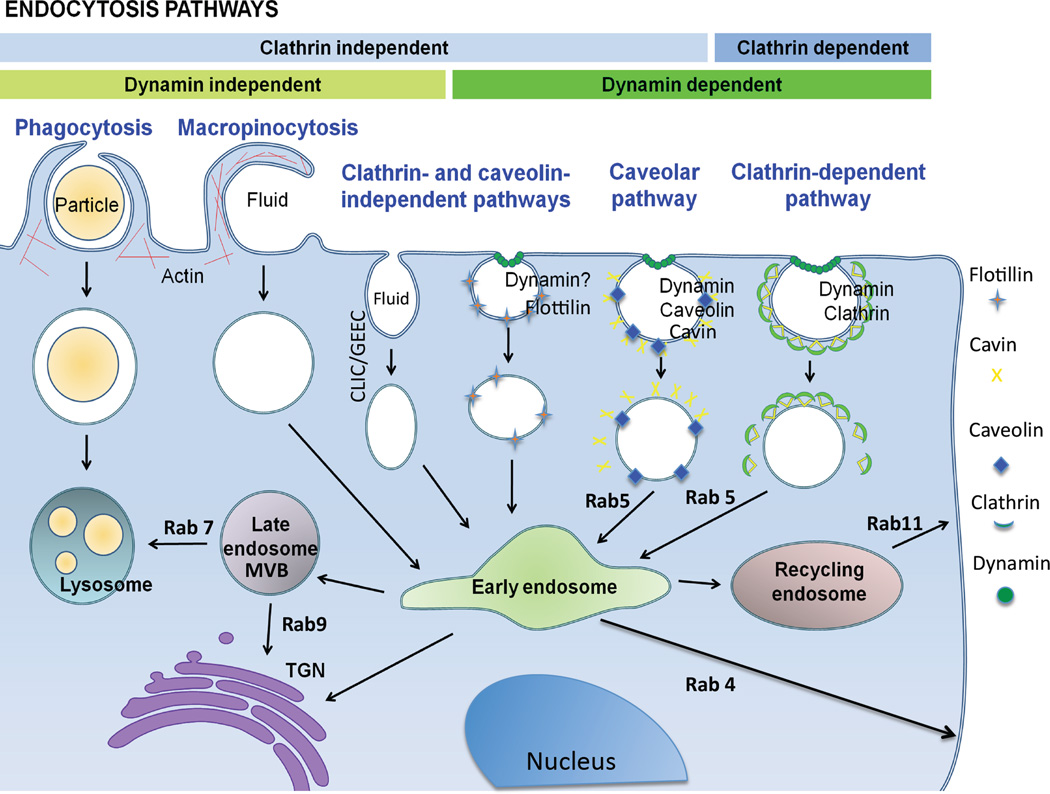
Figure 3. Pathways of Endocytosis and Intracellular Trafficking
Several of the illustrated endocytotic pathways have been associated with the uptake of various types of oligonucleotide conjugates or of ‘free’ oligonucleotides. Various intracellular membranous organelles are also illustrated as are some of the proteins associated with trafficking pathways. The Rab proteins are GTPases that help to guide intracellular traffic. (reproduced with permission).
Figure 4
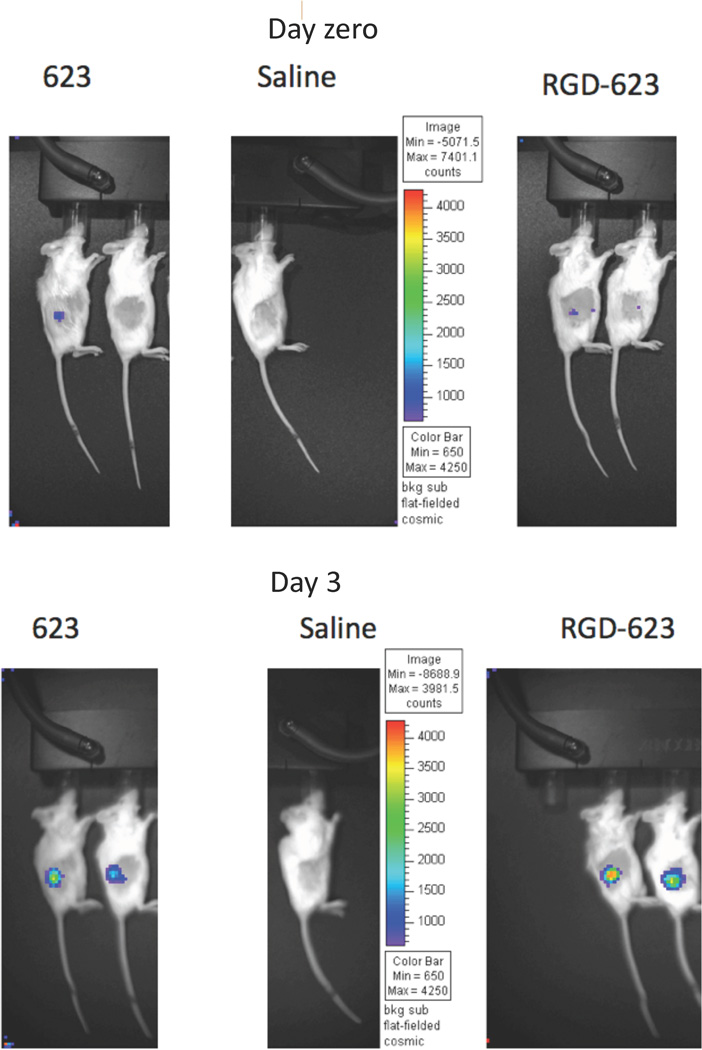
Figure 4. In Vivo Effects of a Targeted Oligonucleotide Conjugate
A RGD-SSO conjugate was used in these experiments. Human A375 melanoma cells were stably transfected with a luciferase reporter cassette that responds to an appropriate SSO by increasing production of properly spliced luciferase message and functional luciferase protein. The cells were then used as xenografts in SCID mice. After the tumors were established the animals were treated with 10 mg/kg of RGD-SSO or unconjugated SSO or with saline. Three days later luciferin was injected and photon emission due to luciferase was measured on an optical imaging system. Induction of luciferase was approximately 3-fold stronger in the animals treated with RGS-SSO as compared to free SSO while treatment with saline had no effect.

References

    1. Corey DR. RNA learns from antisense. Nat Chem Biol. 2007;3:8–11. - PubMed
    1. Kurreck J. RNA interference: from basic research to therapeutic applications. Angewandte Chemie. 2009;48:1378–1398. - PMC - PubMed
    1. Moazed D. Small RNAs in transcriptional gene silencing and genome defence. Nature. 2009;457:413–420. - PMC - PubMed
    1. Elbashir SM, Harborth J, Lendeckel W, Yalcin A, Weber K, Tuschl T. Duplexes of 21-nucleotide RNAs mediate RNA interference in cultured mammalian cells. Nature. 2001;411:494–498. - PubMed
    1. Djuranovic S, Nahvi A, Green R. A parsimonious model for gene regulation by miRNAs. Science. 2011;331:550–553. - PMC - PubMed

Publication types