


Definitions of pediatric pancreatitis and survey of present clinical practices
- PMID: 22357117
- PMCID: PMC3626452
- DOI: 10.1097/MPG.0b013e31824f1516
Definitions of pediatric pancreatitis and survey of present clinical practices
Erratum in
- J Pediatr Gastroenterol Nutr. 2013 Apr;56(4):459. Abu-Al-Haija, Maisam [corrected to Abu-El-Haija, Maisam]
Abstract
Objectives: There is limited literature on acute pancreatitis (AP), acute recurrent pancreatitis (ARP), and chronic pancreatitis (CP) in children. The International Study Group of Pediatric Pancreatitis: In Search for a Cure (INSPPIRE) consortium was formed to standardize definitions, develop diagnostic algorithms, investigate disease pathophysiology, and design prospective multicenter studies in pediatric pancreatitis.
Methods: Subcommittees were formed to delineate definitions of pancreatitis, and a survey was conducted to analyze present practice.
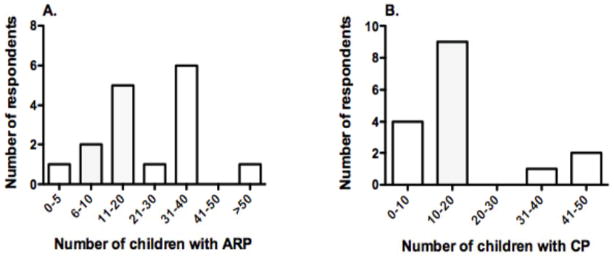
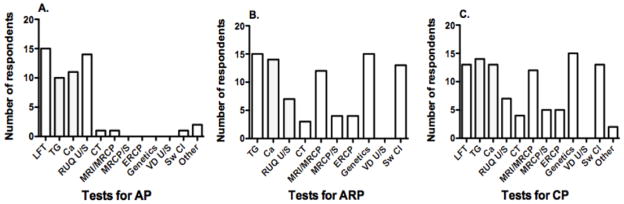
Results: AP was defined as requiring 2 of the following: abdominal pain compatible with AP, serum amylase and/or lipase values ≥3 times upper limits of normal, and imaging findings of AP. ARP was defined as ≥2 distinct episodes of AP with intervening return to baseline. CP was diagnosed in the presence of typical abdominal pain plus characteristic imaging findings, or exocrine insufficiency plus imaging findings, or endocrine insufficiency plus imaging findings. We found that children with pancreatitis were primarily managed by pediatric gastroenterologists. Unless the etiology was known, initial investigations included serum liver enzymes, triglycerides, calcium, and abdominal ultrasound. Further investigations (usually for ARP and CP) included magnetic resonance or other imaging, sweat chloride, and genetic testing. Respondents' future goals for INSPPIRE included determining natural history of pancreatitis, developing algorithms to evaluate and manage pancreatitis, and validating diagnostic criteria.
Conclusions: INSPPIRE represents the first initiative to create a multicenter approach to systematically characterize pancreatitis in children. Future aims include creation of patient database and biologic sample repository.
Figures
References
-
- Satoh K, Shimosegawa T, Masamune A, et al. Nationwide epidemiological survey of acute pancreatitis in Japan. Pancreas. 2011;40:503–7. - PubMed
-
- Yadav D, Lowenfels AB. Trends in the epidemiology of the first attack of acute pancreatitis: a systematic review. Pancreas. 2006;33:323–330. - PubMed
-
- Joergensen M, Brusgaard K, Cruger DG. Incidence, prevalence, etiology, and prognosis of first-time chronic pancreatitis in young patients: a nationwide cohort study. Dig Dis Sci. 2010;55:2988–98. - PubMed
MeSH terms
Substances
Grants and funding
LinkOut - more resources
Full Text Sources
Medical
Miscellaneous
