


The modified ampullar approach for vestibular implant surgery: feasibility and its first application in a human with a long-term vestibular loss
- PMID: 22363317
- PMCID: PMC3282298
- DOI: 10.3389/fneur.2012.00018
The modified ampullar approach for vestibular implant surgery: feasibility and its first application in a human with a long-term vestibular loss
Abstract
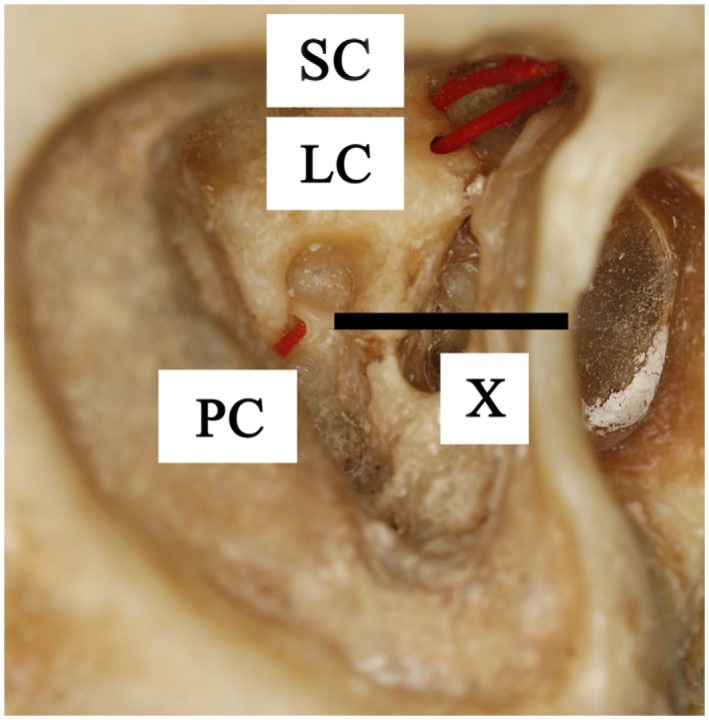
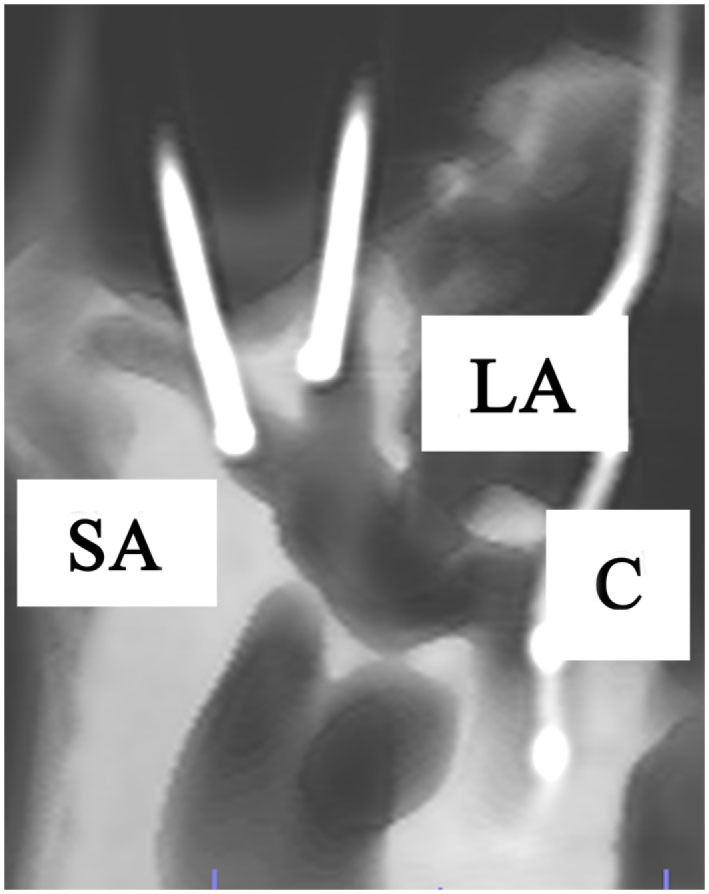
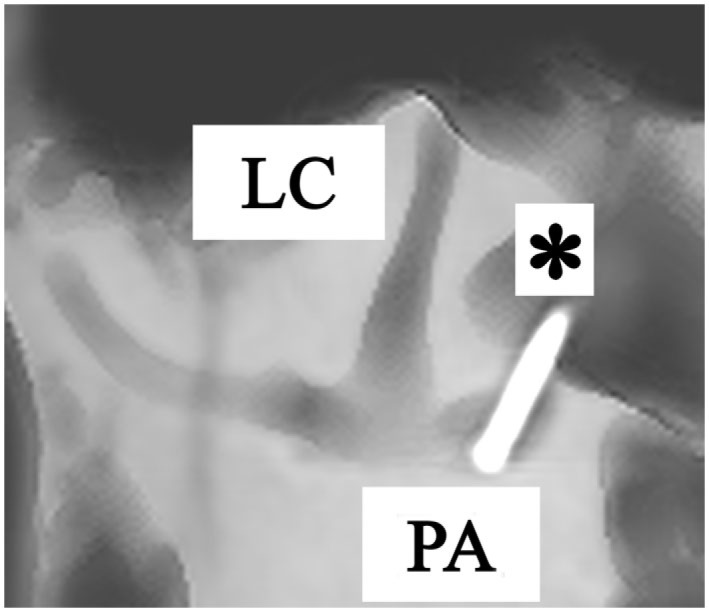
Objective: To assess, for the first time in a human with a long-term vestibular loss, a modified approach to the ampullae and the feasibility of evoking a VOR by ampullar stimulation.
Materials and methods: Peroperative stimulation of the ampullae, using the ampullar approach, was performed under full anesthesia during cochlear implantation in a 21-year-old female patient, who had experienced bilateral vestibular areflexia and sensorineural hearing loss for almost 20 years.
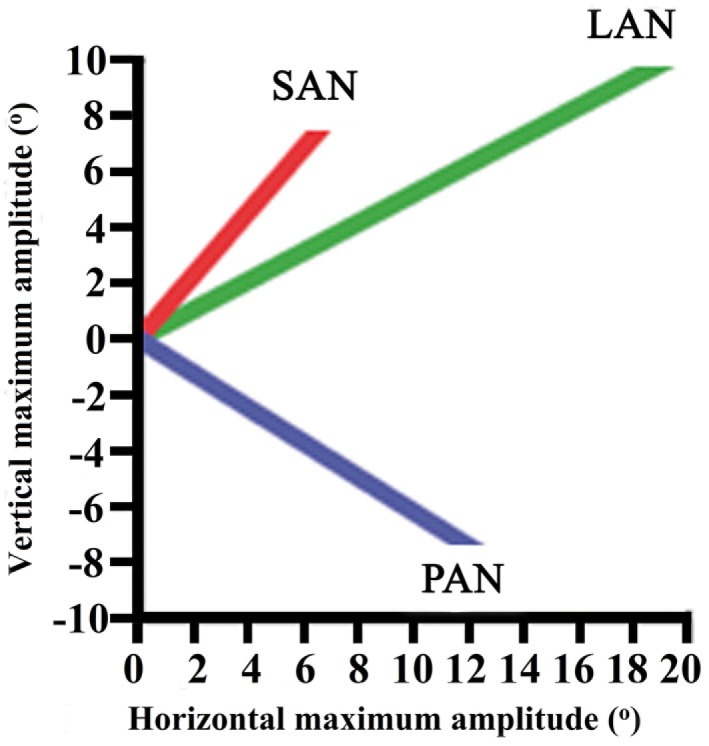
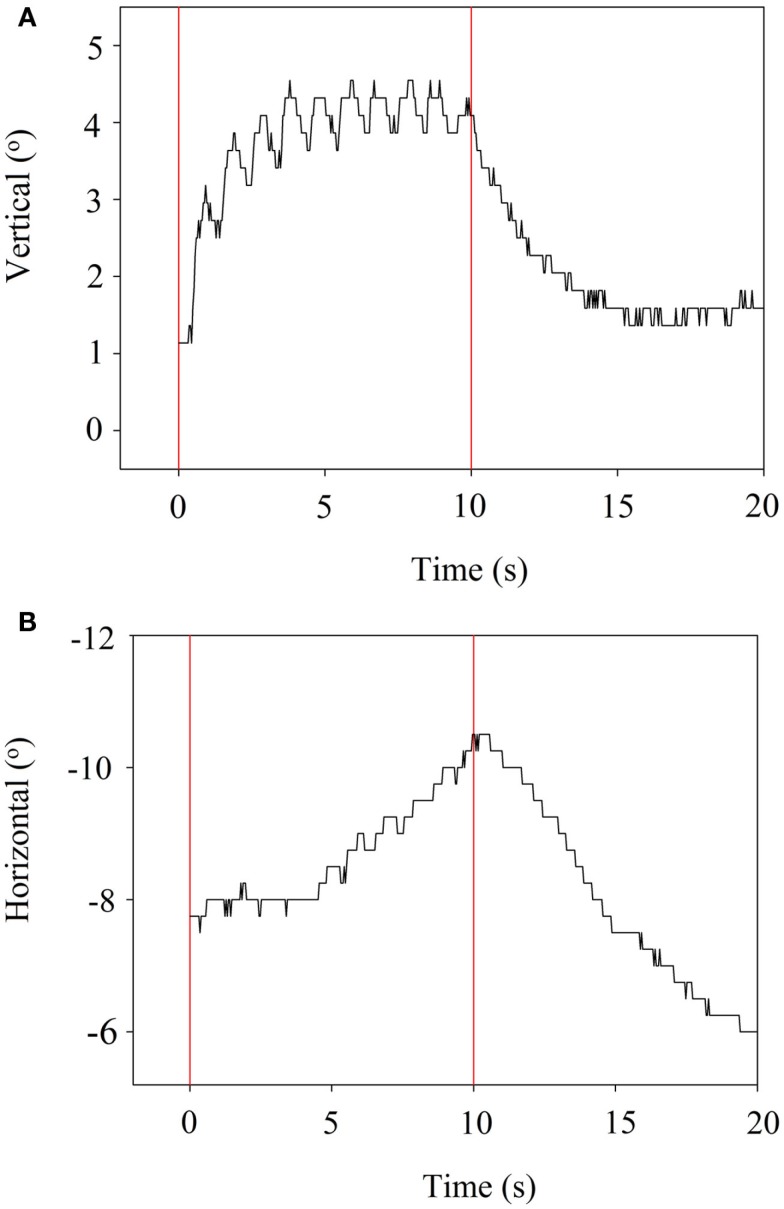
Results: The modified ampullar approach was performed successfully with as minimally invasive surgery as possible. Ampullar stimulation evoked eye movements containing vectors congruent with the stimulated canal. As expected, the preliminary electrophysiological data were influenced by the general anesthesia, which resulted in current spread and reduced maximum amplitudes of eye movement. Nevertheless, they confirm the feasibility of ampullar stimulation.
Conclusion: The modified ampullar approach provides safe access to the ampullae using as minimally invasive surgery as possible. For the first time in a human with long-term bilateral vestibular areflexia, it is shown that the VOR can be evoked by ampullar stimulation, even when there has been no vestibular function for almost 20 years. This approach should be considered in vestibular surgery, as it provides safe access to one of the most favorable stimulus locations for development of a vestibular implant.
Keywords: acclimation; adaptation; ampullar approach; bilateral vestibular areflexia; bilateral vestibulopathy; neural prosthesis; vestibular implant; vestibular prosthesis.
Figures
References
-
- Cass S. P., Davidson P., Goshgarian H. (1989). Survival of the vestibular nerve after labyrinthectomy in the cat. Otolaryngol. Head Neck Surg. 101, 459–465 - PubMed
-
- Dai C., Fridman G. Y., Chiang B., Davidovics N. S., Melvin T. A., Cullen K. E., Della Santina C. C. (2011). Cross-axis adaptation improves 3D vestibulo-ocular reflex alignment during chronic stimulation via a head-mounted multichannel vestibular prosthesis. Exp. Brain Res. 210, 595–606 10.1007/s00221-011-2591-5 - DOI - PMC - PubMed
-
- Davidovics N. S., Fridman G. Y., Chiang B., Della Santina C. C. (2011). Effects of biphasic current pulse frequency, amplitude, duration, and interphase gap on eye movement responses to prosthetic electrical stimulation of the vestibular nerve. IEEE Trans. Neural Syst. Rehabil. Eng. 19, 84–94 10.1109/TNSRE.2010.2065241 - DOI - PMC - PubMed
LinkOut - more resources
Full Text Sources
Medical
Research Materials
