


Dosing regimen matters: the importance of early intervention and rapid attainment of the pharmacokinetic/pharmacodynamic target
- PMID: 22371890
- PMCID: PMC3370717
- DOI: 10.1128/AAC.05360-11
Dosing regimen matters: the importance of early intervention and rapid attainment of the pharmacokinetic/pharmacodynamic target
Abstract
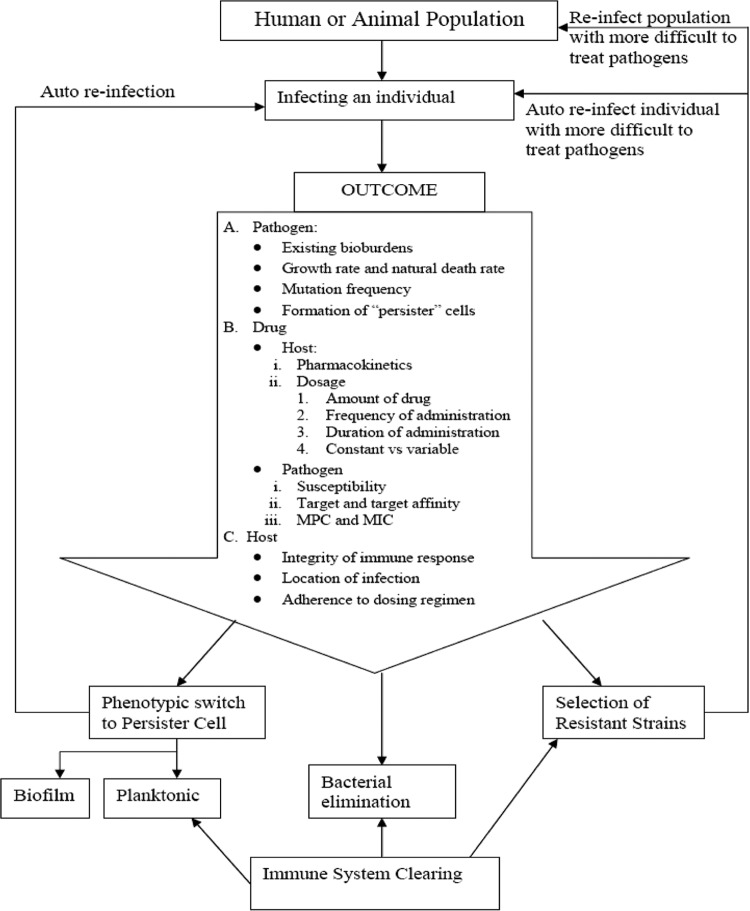
To date, the majority of pharmacokinetic/pharmacodynamic (PK/PD) discussions have focused on PK/PD relationships evaluated at steady-state drug concentrations. However, a concern with reliance upon steady-state drug concentrations is that it ignores events occurring while the pathogen is exposed to intermittent suboptimal systemic drug concentrations prior to the attainment of a steady state. Suboptimal (inadequate) exposure can produce amplification of resistant bacteria. This minireview provides an overview of published evidence supporting the positions that, in most situations, it is the exposure achieved during the first dose that is relevant for determining the therapeutic outcome of an infection, therapeutic intervention should be initiated as soon as possible to minimize the size of the bacterial burden at the infection site, and the duration of drug administration should be kept as brief as clinically appropriate to reduce the risk of selecting for resistant (or phenotypically nonresponsive) microbial strains. To support these recommendations, we briefly discuss data on inoculum effects, persister cells, and the concept of time within some defined mutation selection window.
Figures
References
-
- Adam HJ, Hoban DJ, Gin AS, Zhanel GG. 2009. Association between fluoroquinolone usage and a dramatic rise in ciprofloxacin-resistant Streptococcus pneumoniae in Canada, 1997-2006. Int. J. Antimicrob. Agents 34:82–85 - PubMed
-
- Ambrose PG, et al. 2007. Pharmacokinetics-pharmacodynamics of antimicrobial therapy: it's not just for mice anymore. Clin. Infect. Dis. 44:79–86 - PubMed
-
- Ambrose PG, et al. 2004. Use of pharmacodynamic end points in the evaluation of gatifloxacin for the treatment of acute maxillary sinusitis. Clin. Infect. Dis. 38:1513–1520 - PubMed
-
- Baquero F, Negri MC. 1997. Strategies to minimize the development of antibiotic resistance. J. Chemother. 9(Suppl):29–37 - PubMed
-
- Bayles KW. 2000. The bactericidal action of penicillin: new clues to an unsolved mystery. Trends Microbiol. 8:274–278 - PubMed
Publication types
MeSH terms
Substances
Grants and funding
LinkOut - more resources
Full Text Sources
