


Role of phosphoinositides at the neuronal synapse
- PMID: 22374090
- PMCID: PMC3543677
- DOI: 10.1007/978-94-007-3015-1_5
Role of phosphoinositides at the neuronal synapse
Abstract
Synaptic transmission is amongst the most sophisticated and tightly controlled biological phenomena in higher eukaryotes. In the past few decades, tremendous progress has been made in our understanding of the molecular mechanisms underlying multiple facets of neurotransmission, both pre- and postsynaptically. Brought under the spotlight by pioneer studies in the areas of secretion and signal transduction, phosphoinositides and their metabolizing enzymes have been increasingly recognized as key protagonists in fundamental aspects of neurotransmission. Not surprisingly, dysregulation of phosphoinositide metabolism has also been implicated in synaptic malfunction associated with a variety of brain disorders. In the present chapter, we summarize current knowledge on the role of phosphoinositides at the neuronal synapse and highlight some of the outstanding questions in this research field.
Figures
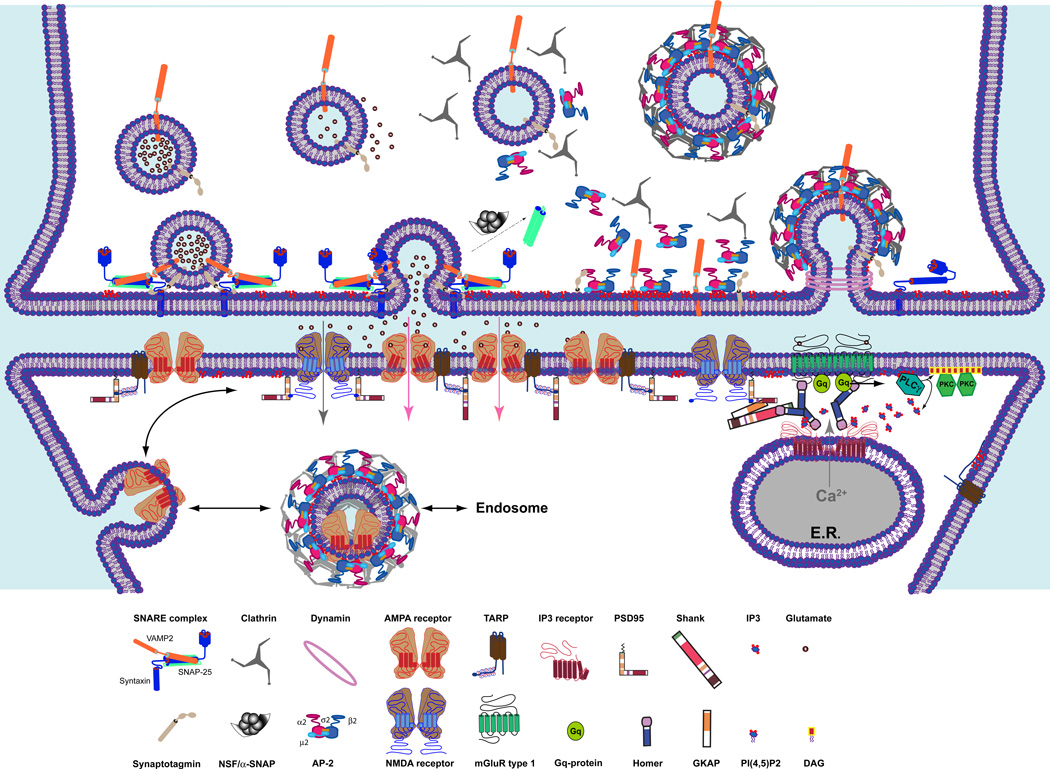
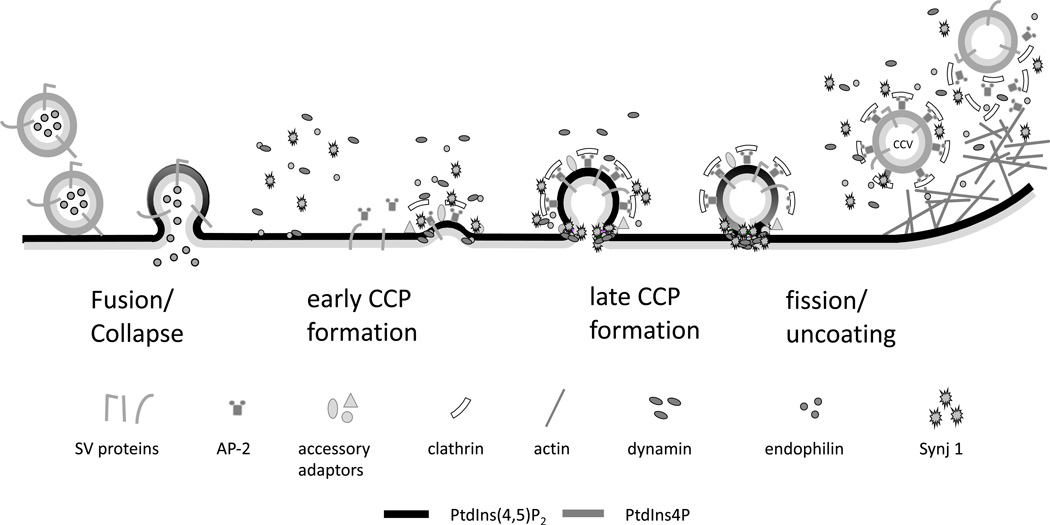
References
-
- Anderson RA, Boronenkov IV, Doughman SD, Kunz J, Loijens JC. Phosphatidylinositol phosphate kinases, a multifaceted family of signaling enzymes. J Biol Chem. 1999;274:9907–9910. - PubMed
-
- Ann K, Kowalchyk JA, Loyet KM, Martin TF. Novel Ca2+-binding protein (CAPS) related to UNC-31 required for Ca2+-activated exocytosis. J Biol Chem. 1997;272:19637–19640. - PubMed
-
- Aoyagi K, Sugaya T, Umeda M, Yamamoto S, Terakawa S, Takahashi M. The activation of exocytotic sites by the formation of phosphatidylinositol 4,5-bisphosphate microdomains at syntaxin clusters. J Biol Chem. 2005;280:17346–17352. - PubMed
-
- Arai Y, Ijuin T, Takenawa T, Becker LE, Takashima S. Excessive expression of synaptojanin in brains with Down syndrome. Brain Dev. 2002;24:67–72. - PubMed
Publication types
MeSH terms
Substances
Grants and funding
LinkOut - more resources
Full Text Sources
Miscellaneous
